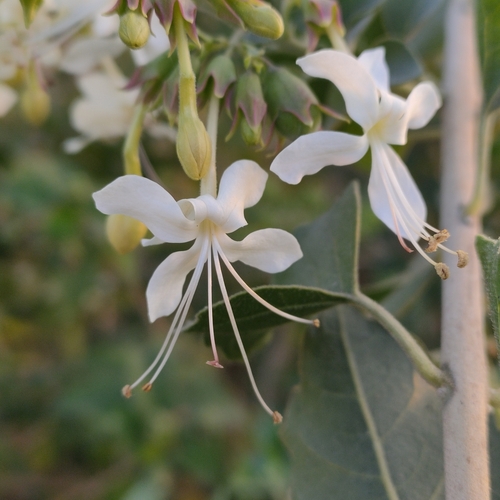
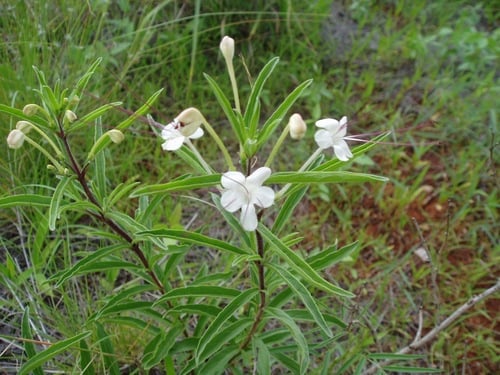
Premna bengalensis
C. B. Clarke
gbif· cc0
President and Fellows of Harvard College
Description
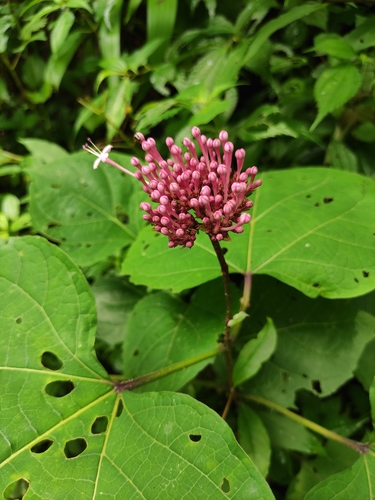
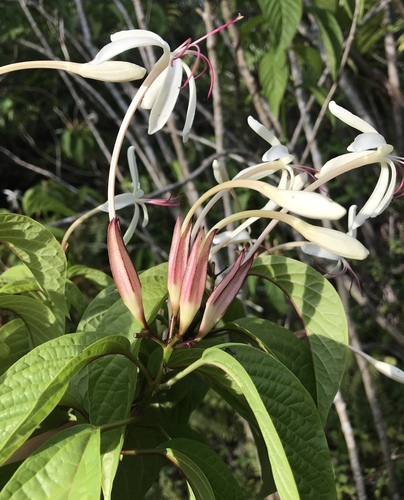
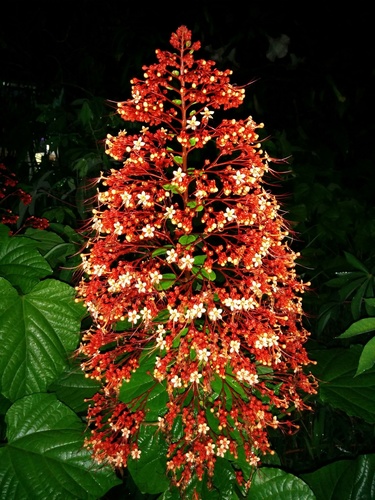
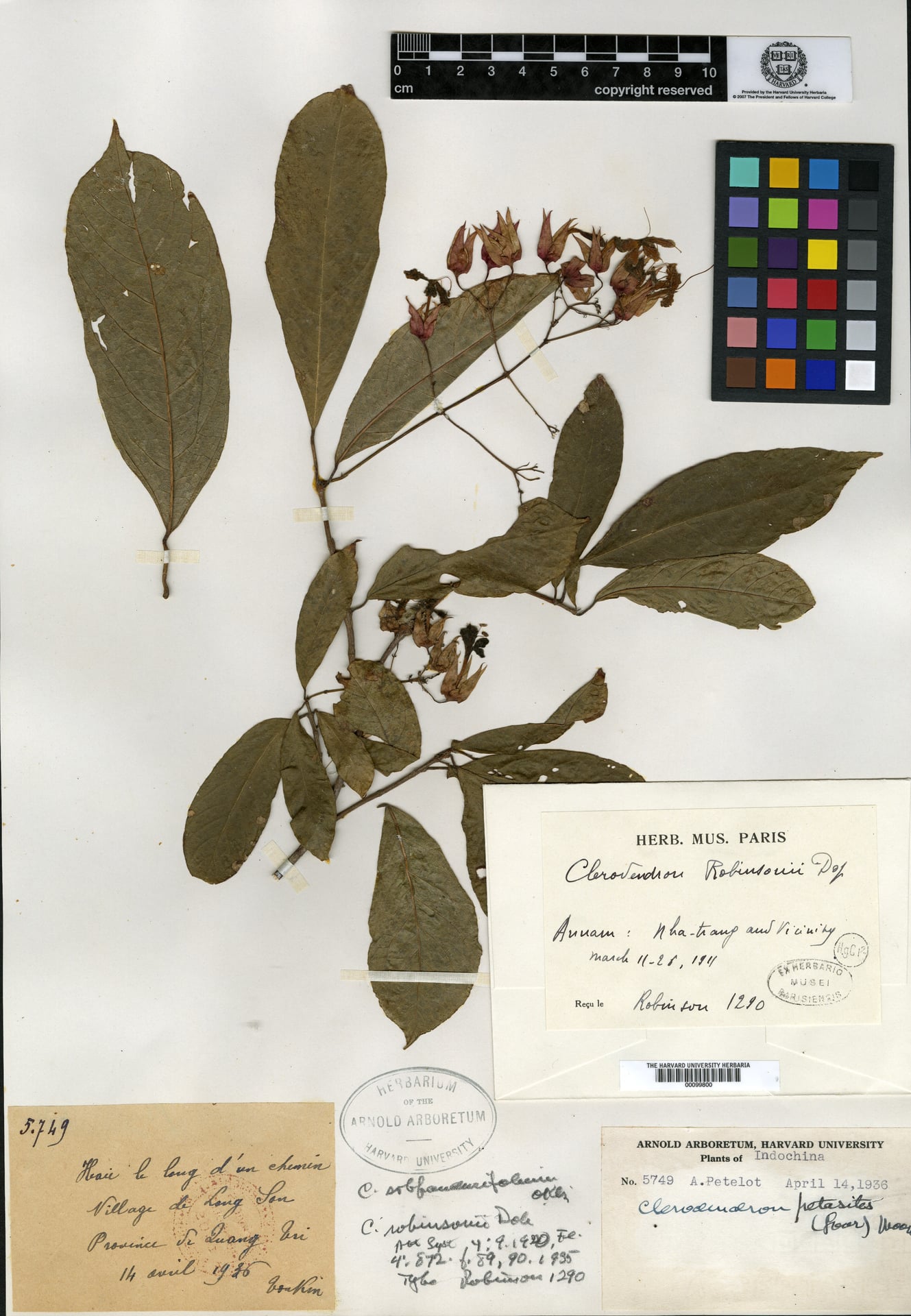
A large shrub or small tree. It grows 9 m tall. It can grow 10-20 m tall. The trunk can be fluted. The bark is greyish white. It peels off in papery flakes 2 cm thick The leaves are simple and opposite. They are narrowly oval or sword shaped and 8-24 cm long by 4-15 cm wide. The edges can be slightly wavy. The flowers are in branched groups at the ends of branches. The fruit is fleshy and oval and 5-8 mm across.
Edible Uses
The soft, sweet bark is edible. The fruit is also edible.
Traditional Uses
The bark is soft, sweet and edible.
This uses section is brief — help expand it
Medicinal Uses
The bark has traditional medicinal uses.
Distribution
It is a tropical plant. It grows between 300-900 m above sea level in Nepal. It grows in evergreen forests near streams.
Where It Grows
Asia, Bangladesh, Himalayas, India, Myanmar, Nepal, Northeastern India, SE Asia, Sikkim, Vietnam,
Other Uses
The wood is a light brownish white or cream-coloured. It is even-grained, hard and durable. A good wood to use for the posts of native houses; when old it is used for bridge-work as it lasts well in water. It would do for turnery and carvings.
Notes
Also put in the family Verbenaceae.
Synonyms
Also Known As
Banglalatana, Bolgoppa, Dauli, Dhauli, Dhola-uja, Dieng-lih, Gohora, Guyheli, Jol-chong-i-maiphi, Koya jarul, Kyun-nalin, Lalo-asing, Makauk-nyaung, Mlung-greng, Nakechal, Sungna
References (2)
- Ambasta, S.P. (Ed.), 2000, The Useful Plants of India. CSIR India. p 489
- Pasha, M. K. & Uddin, S. B., 2019, Minor Edible Fruits of Bangladesh. Bangladesh J. Plant Taxon. 26(2): 299–313