Oryza coarctata
Roxb.
gbif· cc0
President and Fellows of Harvard College
Summary
Source: WikipediaOryza coarctata, synonym Porteresia coarctata, is a species of grass which is related to other rice species in the Oryzeae botanical tribe, part of the family Poaceae. It is native to Pakistan, India, Bangladesh, and Myanmar. It is a perennial species that shows substantial underground rhizomatous growth. The rhizome tissues give out aerial shoots in a favourable season. Oryza coarctata is a form of wild rice that grows in saline estuaries and is harvested and eaten as a delicacy. The plant is salt-tolerant, and is seen as a possibly important source of salt-tolerance genes for transfer to other rice species. It is closely related to Oryza australiensis. The leaves of this species secrete salt through special microhair like structures that have three distinct morphotypes, and a method to isolate these structures has been developed. The rhizomes store a significant amount of salt and also control the flow of salt to the developing shoots.
Description
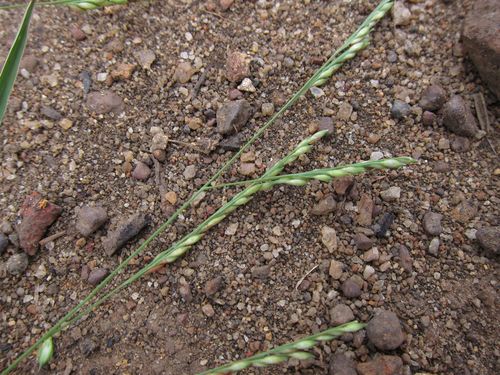
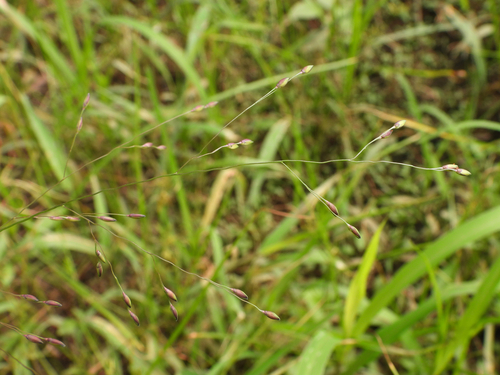
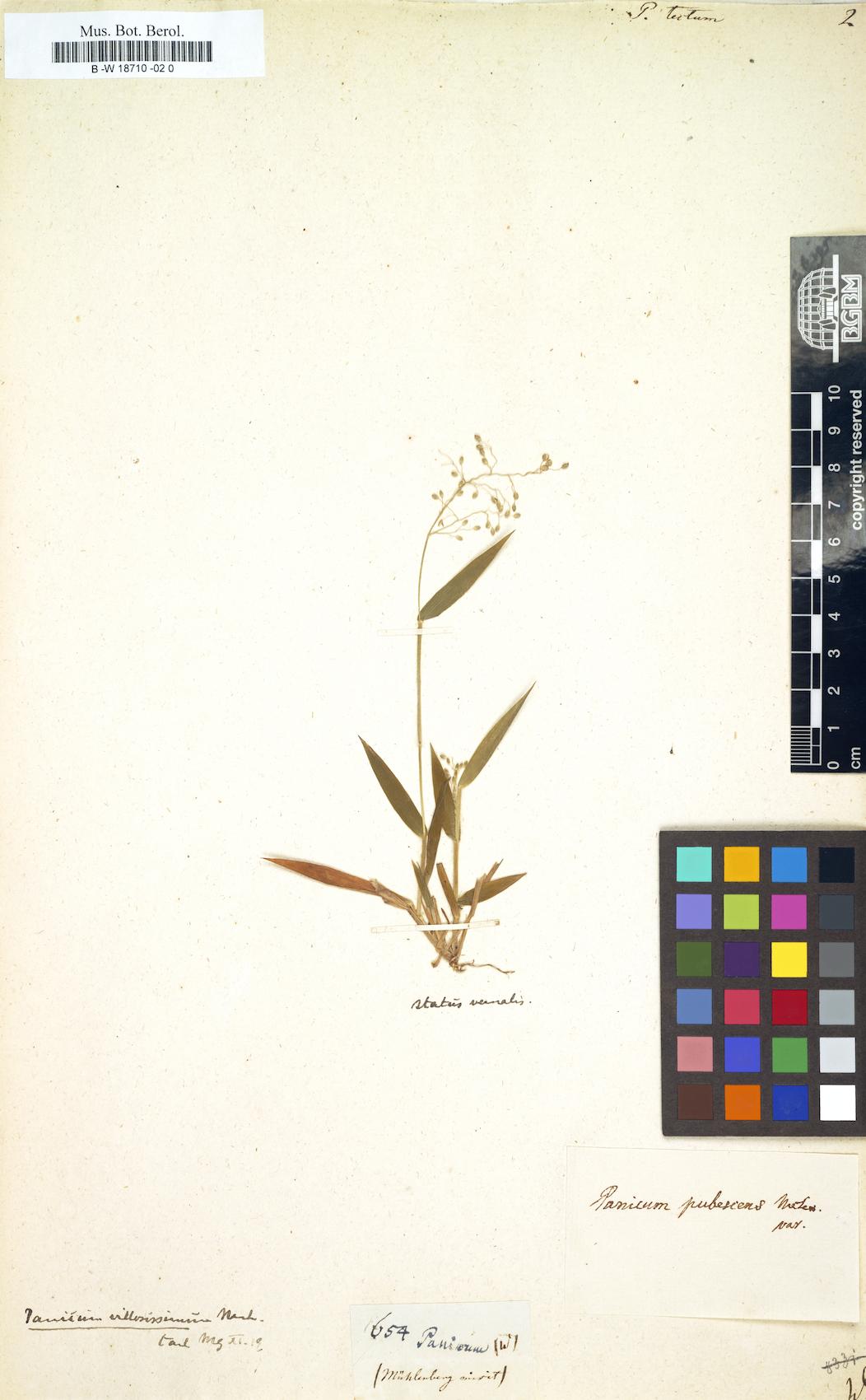
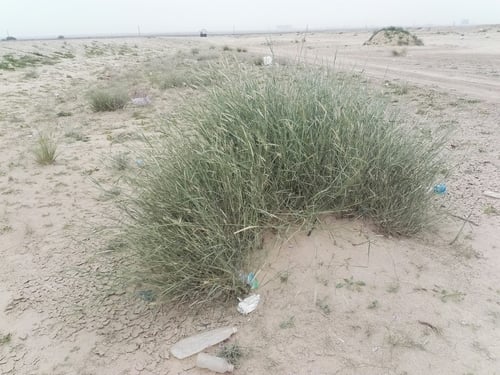
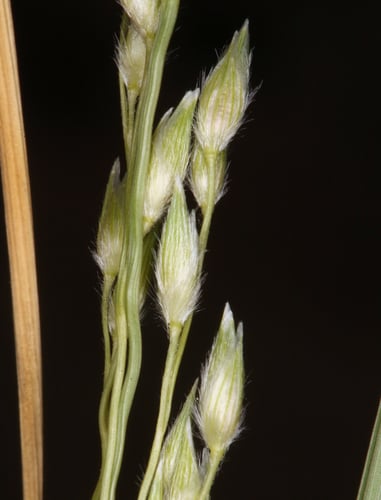
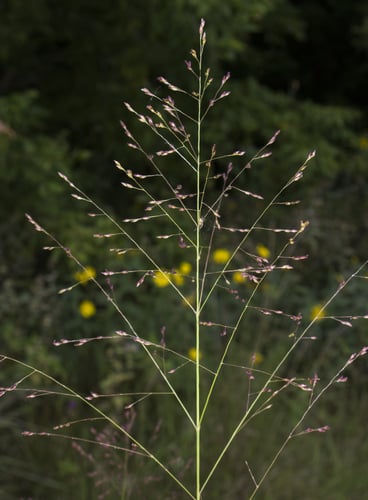
A grass. It keeps growing from year to year. It has extensive creeping rhizomes or underground stems. It grows 2 m high. The leaf blades are 40 cm long by 12 mm wide. The flower panicle is 10-20 cm long and narrow.
Edible Uses
The seeds are eaten.
Distribution
A subtropical plant. It grows in water. It can grow in salty soil. It grows in dense mats at the mouth of the Indus River. It is flooded at high tide.
Where It Grows
Asia, Bangladesh, India, Myanmar, Pakistan, SE Asia,
Synonyms
Also Known As
Saba-yaing
References (3)
- Ambasta, S.P. (Ed.), 2000, The Useful Plants of India. CSIR India. p 414
- Fl. ind. ed. 1832, 2:206. 1832
- Rashid, H. E., 1977, Geography of Bangladesh. Westview. p 225