Indigofera articulata
Gouan
iNaturalist· cc-by-nc
(с) Ирина Бортникова, некоторые права защищены (CC BY-NC), загрузил Ирина Бортникова
iNaturalist· cc-by-nc
(c) Ирина Бортникова, some rights reserved (CC BY-NC)
Description
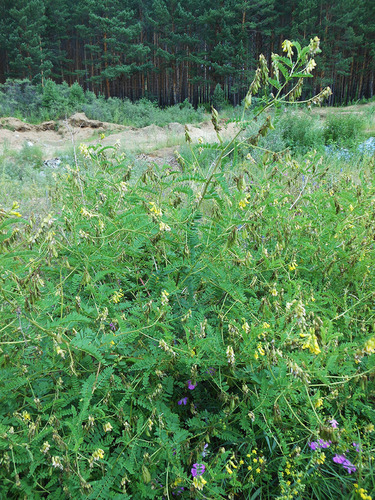
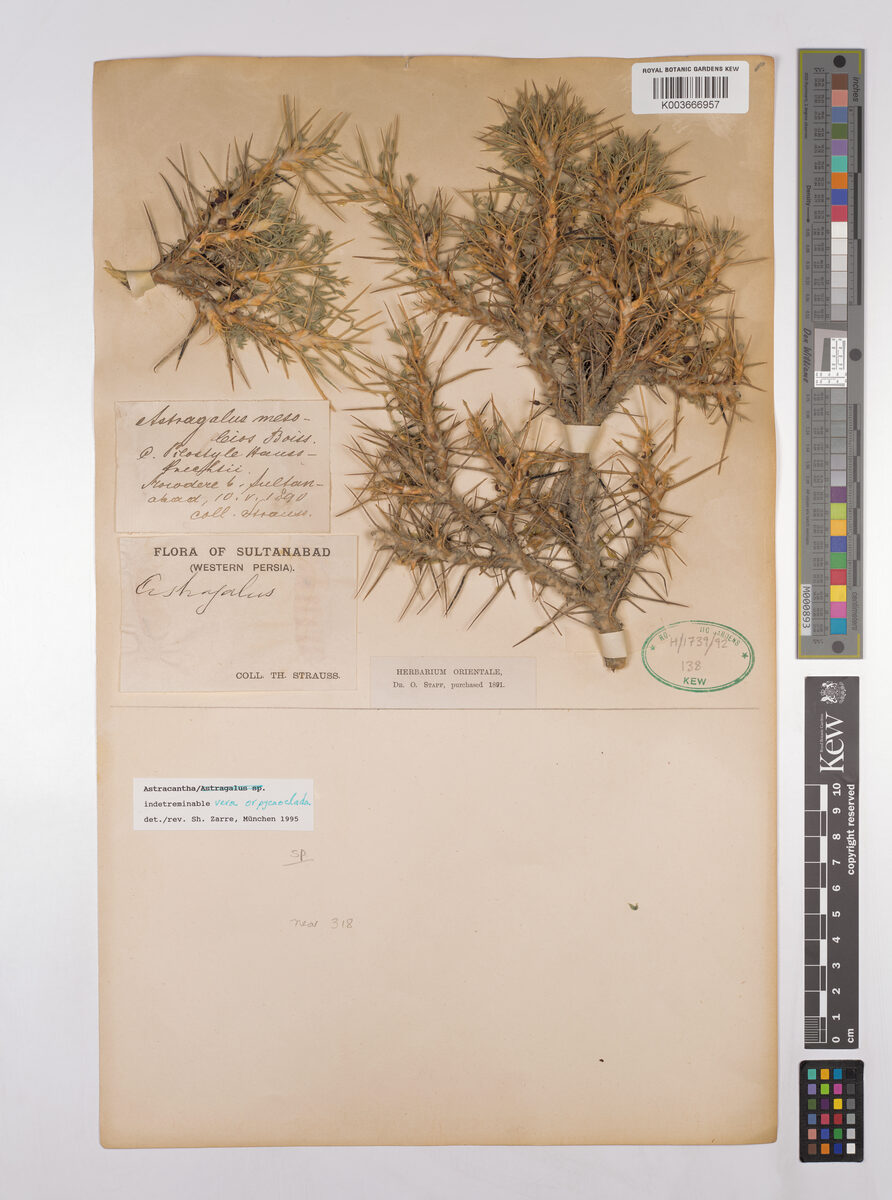
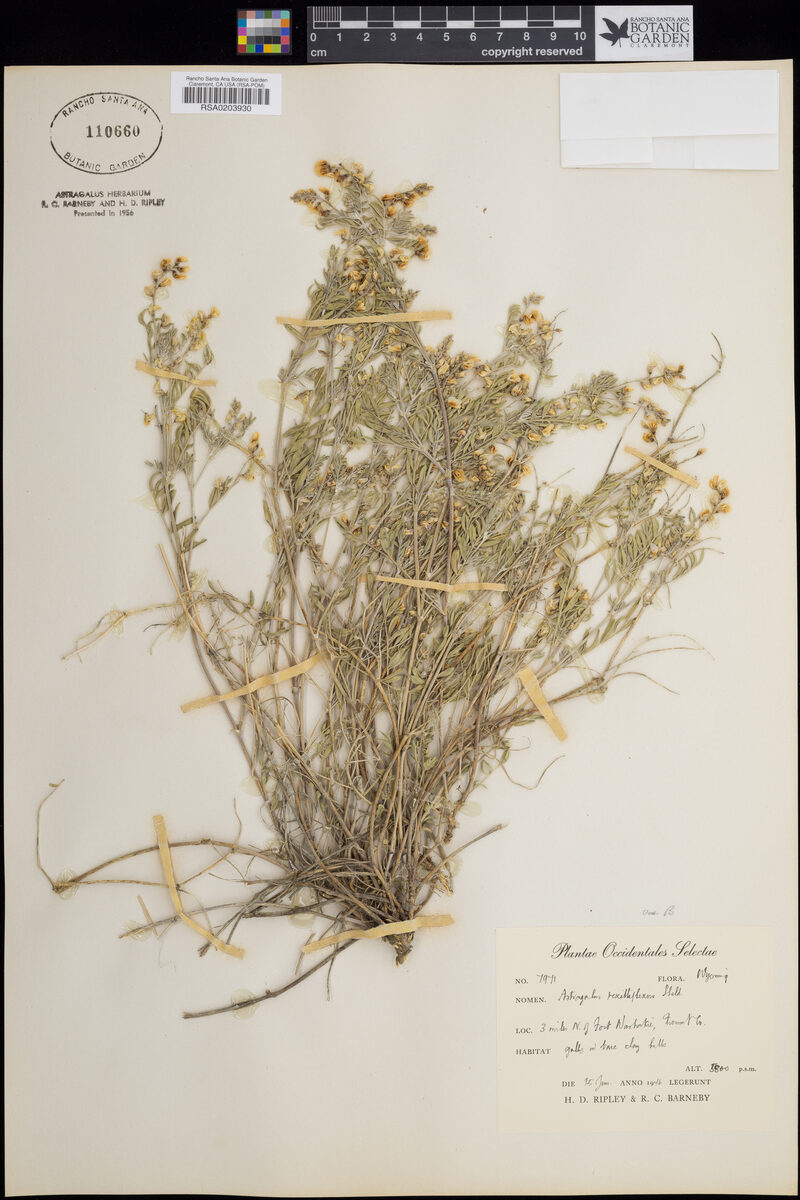
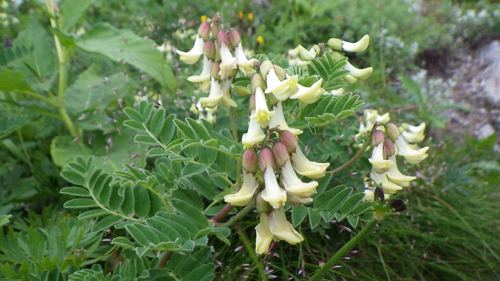
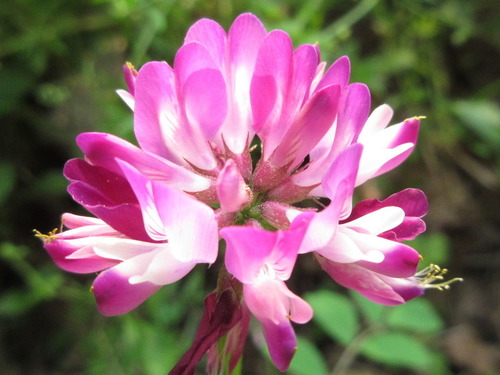
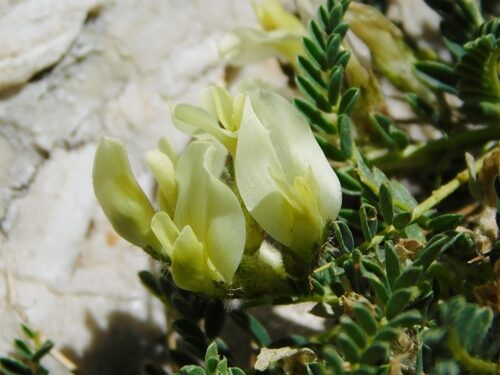
A small erect shrub. It grows 1 m tall. The branches have white to grey hairs. The leaves are compound. They have 7 leaflets with one at the end. They are 8-22 mm long by 5-17 mm wide. They have grey hairs on both sides. There are 10-20 flowers in a group. The fruit is 7-9 mm long with 1-3 seeds.
Edible Uses
The seeds are eaten as food, particularly during times of food scarcity.
Traditional Uses
The seeds are used as food when food is scarce.
This uses section is brief — help expand it
Medicinal Uses
The roots and leaves are bitter and tonic. Used in the treatment of venereal diseases and asthma. The seeds are anthelmintic.
Distribution
It is a tropical and subtropical plant.
Where It Grows
Africa, Arabia, Asia, Cuba, East Africa, Egypt, India, Jamaica, Jordan, Mediterranean, Middle East, North Africa, Pakistan, Somalia, Syria, West Indies,
Cultivation
Indigoera species generally grow best in a sunny position, preferring a well-drained but moist soil. Many of the species will also succeed in drier conditions and in poor soils. We have seen no specific information for this species, but most members of the genus have a symbiotic relationship with certain soil bacteria; these bacteria form nodules on the roots and fix atmospheric nitrogen. Some of this nitrogen is utilized by the growing plant but some can also be used by other plants growing nearby.
Propagation
Seed - it possess a hard seed-coat and must be scarified. This can usually be done by pouring a small amount of nearly boiling water on the seeds (being careful not to cook them!) and then soaking them for 12 - 24 hours in warm water. By this time they should have imbibed moisture and swollen - if they have not, then carefully make a nick in the seedcoat (being careful not to damage the embryo) and soak for a further 12 hours before sowing. Sowing is done either on seed-beds or directly into the field, 3 - 4 seeds per hole, 60 cm apart within rows and 45 - 60 cm between rows. Germination takes about 4 days. When seed-beds are used, seedlings are transplanted at 4 - 6 weeks. Cuttings are made by dividing well-developed branches into pieces 30 cm long, which are kept for 2 - 3 days in a cool place before planting. Cuttings, 2-3 per hole, start rooting by the second week.
Other Uses
The plant is a minor source of the blue dye 'indigo'. The leaves and twigs do not actually contain indigo but colourless precursors that must be extracted and then processed in order to produce the indigo dye. The harvested leafy branches are placed in a tank containing water to which some lime has been added, and are weighted down with planks. After some hours of fermentation, during which enzymic hydrolysis leads to the formation of indoxyl, the liquid is drained off and then stirred continuously for several hours to stimulate oxidation of the indoxyl. Afterwards the solution is left to rest and the insoluble indigo settles to the bottom as a bluish sludge. The water is drained and after the indigo has dried, it is cut into cubes or made into balls. To dye textiles, indigo is reduced to a soluble form by a fermentation process under alkaline conditions. In traditional preparations of the dye, various reducing agents such as molasses are used, together with coconut-milk, bananas and the leaves of Psidium guajava. The alkalinity is maintained by adding lime. After the textile has been dipped into solution it turns blue when exposed to the air.
Notes
There are about 500-700 Indigofera species. They grow in the tropics and subtropics.
Synonyms
Also Known As
Gabaldaye, Kalaklitaka, Karunili, Kataveri, Nil, Surmainil
References (3)
- Ambasta S.P. (Ed.), 2000, The Useful Plants of India. CSIR India. p 286
- Flora of Pakistan. www.eFloras.org
- Ill. observ. bot. 49. 1773