Cephalostachyum capitatum
Munro
Hollow bamboo
wikimedia· cc-by-sa
Wikimedia Commons - VasuVR
wikimedia· cc-by-sa
Wikimedia Commons - Art Projects MKCL KF
Description
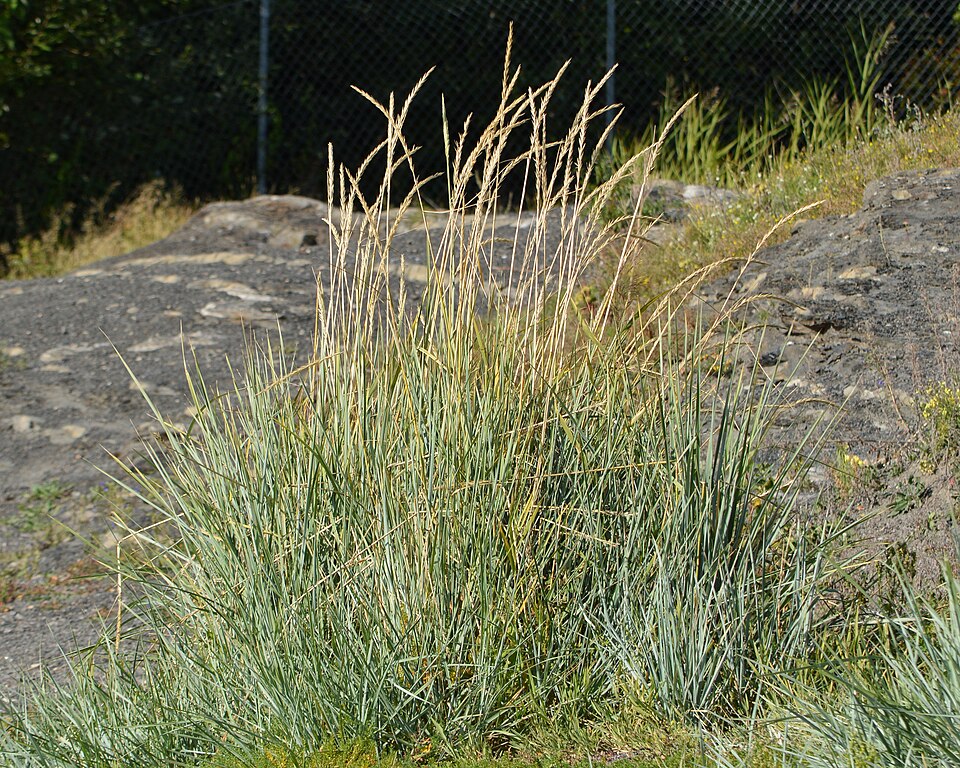
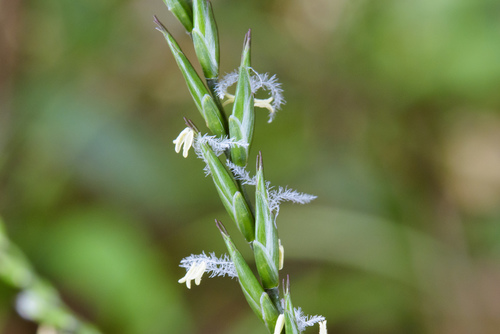
A bamboo. It grows 13-15 m high. The culms are 2-5 cm across. The internodes are 25-40 cm long. It is green but becomes yellow with age. The leaves are 9-30 cm long and 5-11 mm wide. The flowering shoots are in a round brownish head. The seeds are brown and shiny.
Edible Uses
The young shoots are eaten, typically boiled and prepared with chilli, fermented fish, potato, and pea. The seeds and shoots are also consumed locally.
Traditional Uses
The young shoot are eaten. They are boiled and prepared along with chilli fermented fish, potato and pea.
This uses section is brief — help expand it
Distribution
It is a subtropical plant. It grows in the eastern Himalayas and in Tibet. It grows between 1,900-3,000 m altitude.
Where It Grows
Asia, Bhutan, China, Himalayas, India, Myanmar, Nepal, Northeastern India, SE Asia, Sikkim,
Cultivation
Bamboos have an interesting method of growth. Each plant produces a number of new stems annually - these stems grow to their maximum height in their first year of growth, subsequent growth in the stem being limited to the production of new side branches and leaves. In the case of some mature tropical species the new stem could be as much as 30 metres tall, with daily increases in height of 30cm or more during their peak growth time. This makes them some of the fastest-growing species in the world. Bamboos in general are usually monocarpic, living for many years before flowering, then flowering and seeding profusely for a period of 1 - 3 years before usually dying. This species, however, flowers at regular intervals without dying.
Other Uses
The culms are used for construction works and for making bows and arrows. They are also used for making baskets.
Other Information
They are eaten locally. It is cultivated.
Notes
There are about 11 Cephalostachyum species.
Synonyms
Also Known As
Gobia, Gope bans, Gopi, Naatwa, Nagatheo, Nat, Nhu, Payong, Rawnal, Sillea, Silli, Tama bans, Ternap
References (11)
- Ambasta S.P. (Ed.), 2000, The Useful Plants of India. CSIR India. p 116
- Hu, Shiu-ying, 2005, Food Plants of China. The Chinese University Press. p 286
- Konsam, S., et al, 2016, Assessment of wild leafy vegetables traditionally consumed by the ethnic communities of Manipur, northeast India. Journal of Ethnobiology and Ethnomedicine, 12:9 (As Schizostachyum munroi)
- Kumari, P, 2019, Bambusoideae in India: An Updated Enumeration. Plantae Scientia : Volume 01, Issue 06, March 2019
- Lalfakzuala, R., 2007, Ethnobotanical usages of plants in western Mizoram. Indian Journal of Traditional Knowledge. Vol 6(3) pp 480-493
Show all 11 references Hide references
- Premlata, T., et al, 2020, Edible bamboo resources of Manipur: consumption pattern of young shoots, processing techniques and their commercial status in the local market. Indian Journal of Traditional Knowledge Vol. 19(1) pp 73-82
- Sundriyal, M., et al, 1998, Wild edibles and other useful plants from the Sikkim Himalaya, India. Oecologia Montana 7:43-54
- Sundriyal, M., et al, 2004, Dietary Use of Wild Plant Resources in the Sikkim Himalaya, India. Economic Botany 58(4) pp 626-638
- Trans. Linn. Soc. London 26:139. 1868
- Wild edible plants of Himachal Pradesh
- Zeven, A. C. & de West, J. M. J., 1982, Dictionary of cultivated plants and their regions of diversity. Wageningen. p 73