Callicarpa tomentosa
(L.) L.
iNaturalist· cc-by-nc-sa
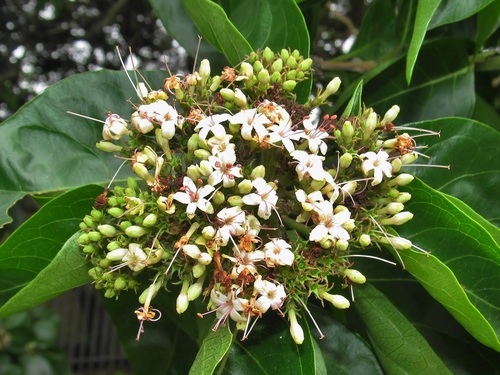
(c) satish nikam, some rights reserved (CC BY-NC-SA), uploaded by satish nikam
iNaturalist· cc-by-nc-sa
(c) Satish Nikam, some rights reserved (CC BY-NC-SA)
iNaturalist· cc-by
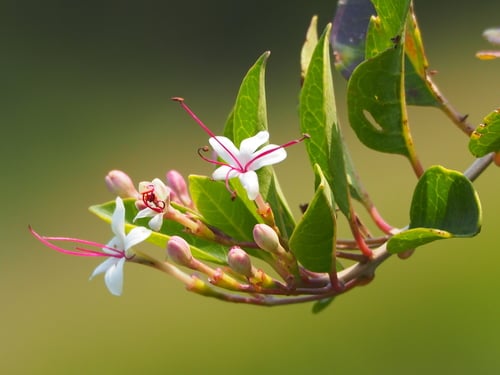
(c) Siddarth Machado, some rights reserved (CC BY), uploaded by Siddarth Machado
Summary
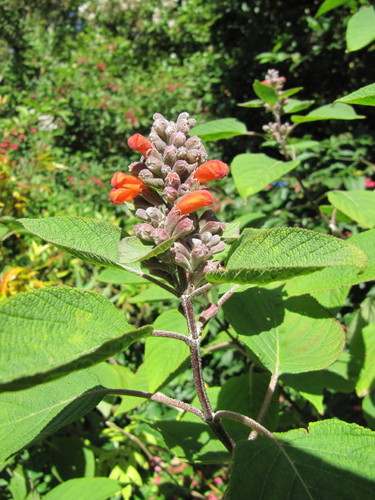
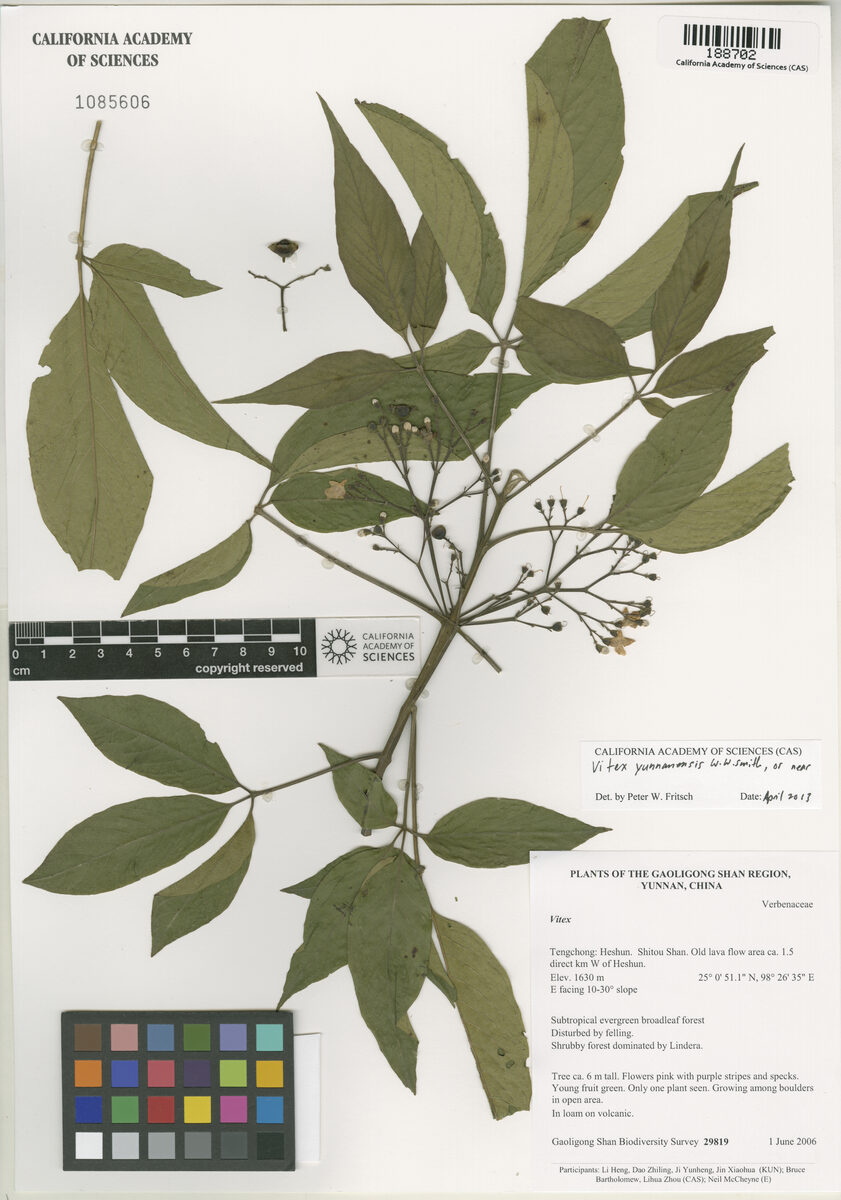
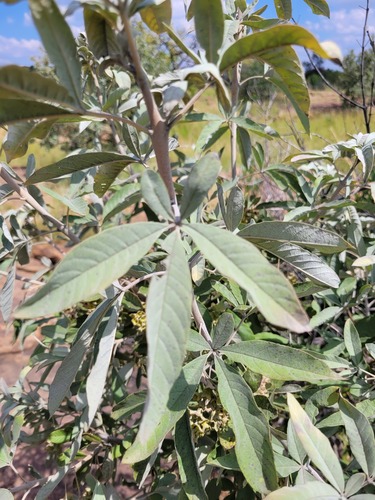
Source: WikipediaCallicarpa tomentosa is a species of beautyberry plant in the family Lamiaceae. It is found in Western Ghats of India and Sri Lanka. It is a small tree with about 5m tall. Leaves simple, opposite; elliptic to broadly elliptic; apex acute or acuminate. Purplish flowers show branched axillary cymes. Fruit is 3-4 seeded globose drupe. Fruits provide food for wildlife. They are sometimes used to make herbal medicine. The leaves are also food for wildlife. The leaf is known being used as a wick to light an oil lamp. In Hinduism, it is said in the legends that when the pandavas went to exile, they lit the tree by applying oil to the leaves and burning them.
Description
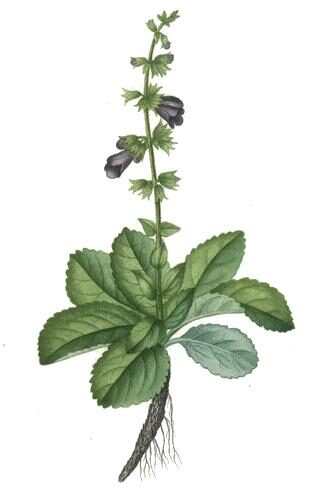
A small tree. It grows 5 m tall. The bark is grey. The small branches are angular. The leaves are simple and opposite. They are narrowly oval and taper to the tip. The flowers are purple. The fruit are round and fleshy and have 3-4 seeds.
Edible Uses
The bark is used as a spice and is traditionally chewed with betel nut.
Traditional Uses
The bark is chewed with betel nut.
This uses section is brief — help expand it
Medicinal Uses
An extract of the bark is used in the treatment of fevers, liver complaints and skin diseases.
Distribution
A tropical plant. It grows in evergreen forests up to 1,400 m above sea level.
Where It Grows
Asia, India, Myanmar, SE Asia, Sri Lanka,
Cultivation
Species in this genus generally require a sunny position or light dappled shade. Prefers a highly fertile well-drained loamy soil. Requires cross-pollination for good fruit production. Plants in this genus are notably resistant to honey fungus.
Propagation
Seed - sow in a nursery seedbed and only just cover the seed. Germination usually takes place within 1 - 3 months at 18°c. When large enough to handle, prick the seedlings out into individual pots and grow them on until large enough to plant out Cuttings of half-ripe wood 10cm long in a frame. High percentage. Cuttings of mature wood of the current season's growth with a heel.
Notes
There are about 140-150 Callicarpa species. Previously in the Verbenaceae family.
Synonyms
Also Known As
Arthigidu, Daung-sat-pya, Kyun-nalin, Lahkylk, Mai-hpa, Mai-put, Makpa, Nakeching, Pebok, Rishipathri, Sigyi, Thiriperivelam, Vettliai-pattai
References (2)
- Hedrick, U.P., 1919, (Ed.), Sturtevant's edible plants of the world. p 142 (As Callicarpa lanata)
- Jones, W. P. & Kinghorn, A. D., 2008, Biologically Active Natural Products of the Genus Callicarpa. Curr Bioact Compd. 2008 June 1; 4(1): 15–32 (As Callicarpa lanata)