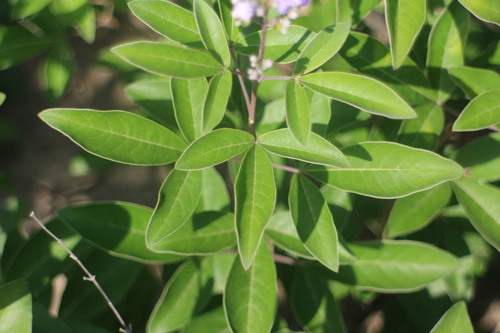
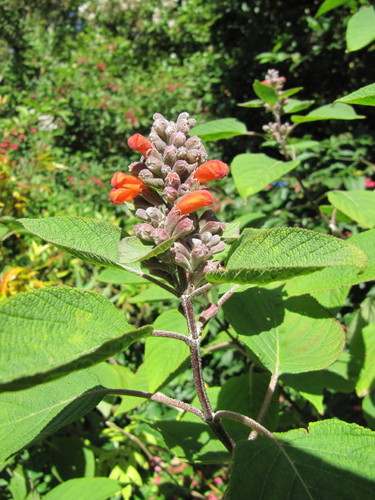
Callicarpa mollis
Sieb. & Zucc.
Scissor Berry
iNaturalist· cc-by-sa
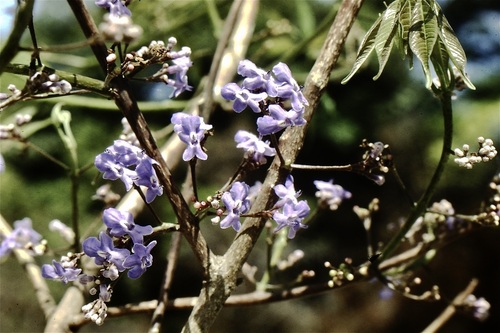
(c) Alpsdake, some rights reserved (CC BY-SA)
iNaturalist· cc-by-sa
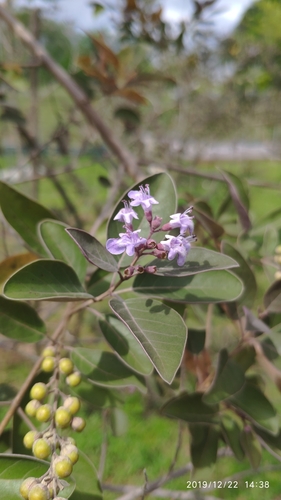
(c) harum.koh, some rights reserved (CC BY-SA), uploaded by harum.koh
iNaturalist· cc-by-nc
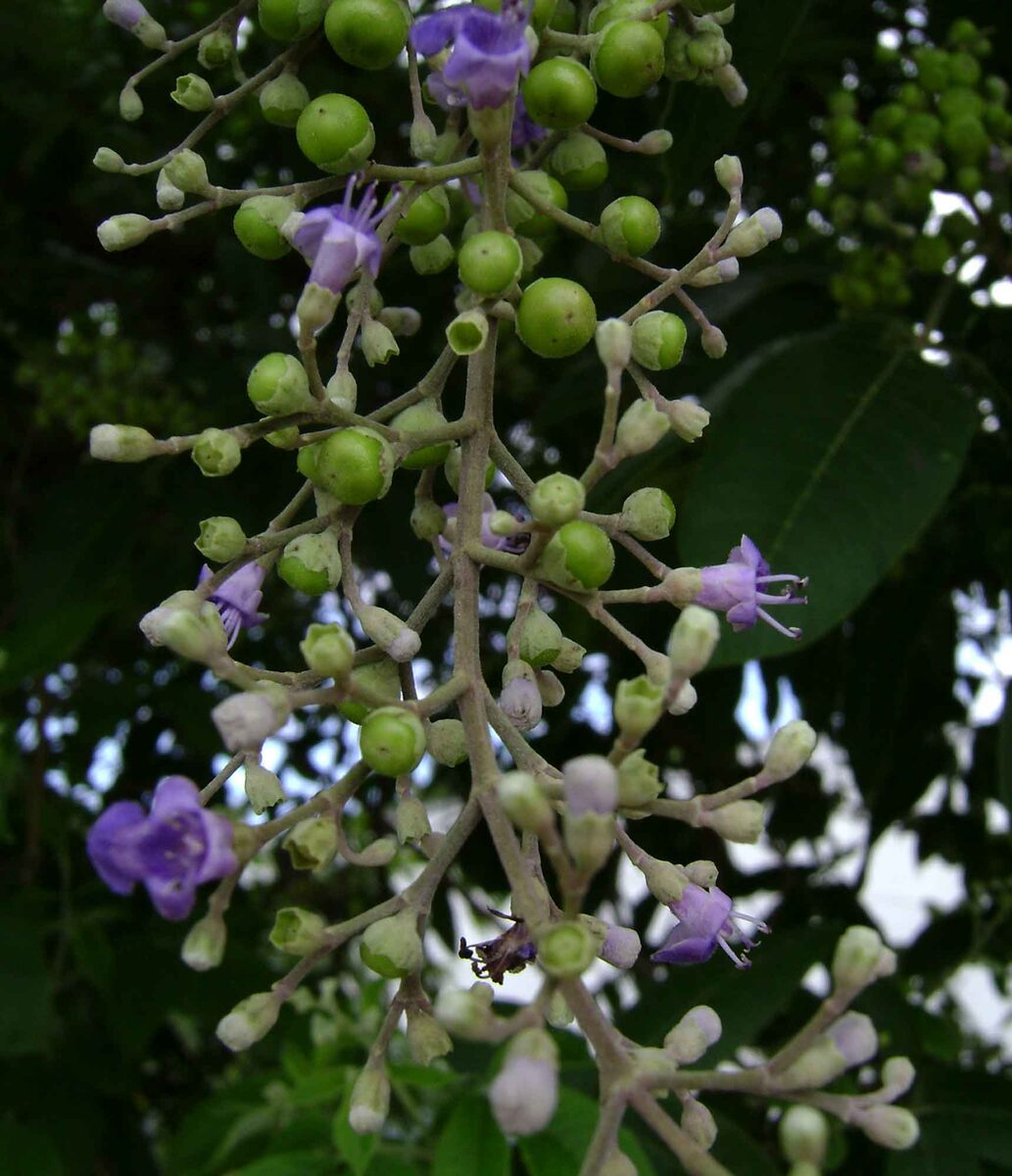
(c) 海野ふる子, some rights reserved (CC BY-NC)
Summary
Source: WikipediaCallicarpa mollis is a species of beautyberry that is cultivated and grown in gardens and parks as ornamental plant. It has purple flowers. It is found in Korea and Japan.
Description
A shrub. The flowers are purple. The fruit are small purple berries in tight clusters.
This description is brief — help expand it
Edible Uses
Edible Parts: Fruit Edible Uses: Fruit. No further details are given.
Medicinal Uses
None known
Distribution
It is a temperate plant. Brisbane Botanical Gardens.
Where It Grows
Asia, Australia, Britain, China, Europe, Japan, Korea,
Cultivation
Requires a sunny position or light dappled shade. Prefers a highly fertile well-drained loamy soil. Plants are only really hardy in the milder parts of Britain and even then they need the protection of a wall. Requires cross-pollination for good fruit production. Plants in this genus are notably resistant to honey fungus.
Propagation
Seed - sow February in a greenhouse. Only just cover the seed. Germination usually takes place within 1 - 3 months at 18°c. When large enough to handle, prick the seedlings out into individual pots and grow them on in the greenhouse for at least their first winter, planting them out into their permanent positions in late spring or early summer, after the last expected frosts. Cuttings of half-ripe wood 10cm long, July/August in a frame. High percentage. Cuttings of mature wood of the current season's growth with a heel taken in early spring.
Other Uses
None known Special Uses
Notes
There are about 140-150 Callicarpa species. Previously in the Verbenaceae family.
Also Known As
Japanese beautyberry
References (3)
- Abh. Math.-Phys. Cl. Kounigl. Bayer. Akad. Wiss. 4(3):155. 1846
- Plants for a Future database, The Field, Penpol, Lostwithiel, Cornwall, PL22 0NG, UK. http://www.scs.leeds.ac.uk/pfaf/
- READ,