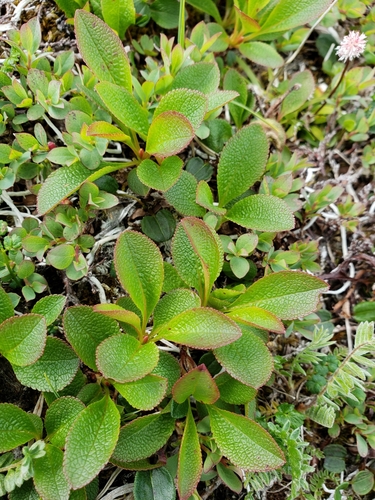
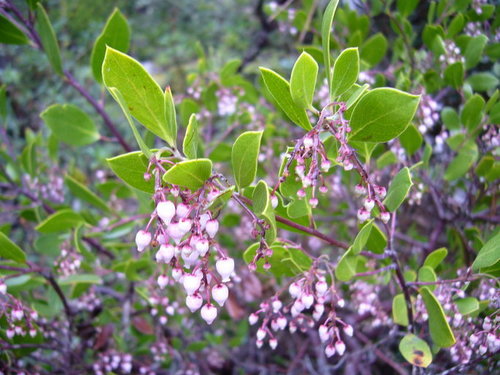
Agapetes saligna
(Hook. f.) Hook. f.
iNaturalist· cc-by-nc
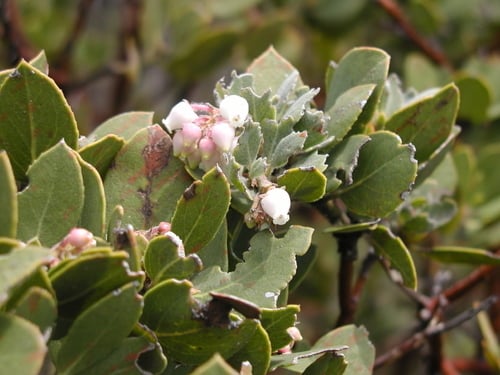
(c) Sangay Wangchuk, some rights reserved (CC BY-NC), uploaded by Sangay Wangchuk
iNaturalist· cc-by-nc
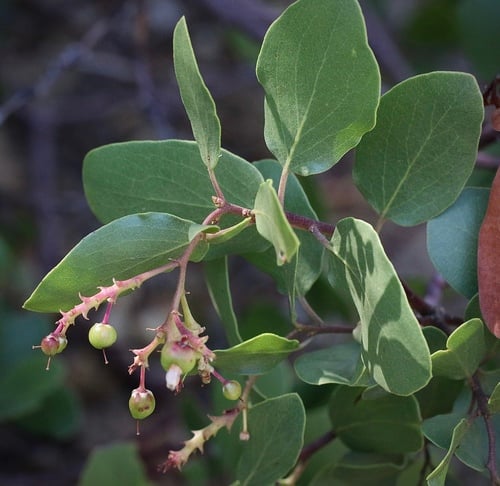
(c) Rinzin Dorji, some rights reserved (CC BY-NC), uploaded by Rinzin Dorji
Description
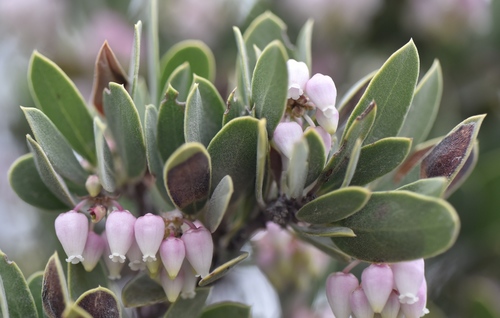
A woody evergreen shrub. The leaves are alternate. They are large and leathery. The flowers have 5 lobes.
This description is brief — help expand it
Edible Uses
The leaves are used to make a tea-like drink, and the flowers are also edible, though the plant is only occasionally used.
Traditional Uses
The leaves are used for a tea like drink.
This uses section is brief — help expand it
Distribution
It is a temperate plant. It needs a temperature above 10°C.
Where It Grows
Asia, Himalayas, India, Myanmar, Northeastern India, SE Asia, Sikkim,
Other Information
It is only occasionally used.
Notes
There are 80-90 Agapetes species. They are low shrubs. They are mostly in tropical Asia.
Synonyms
Also Known As
Ajeru, Phukup chyo
References (6)
- Ambasta S.P. (Ed.), 2000, The Useful Plants of India. CSIR India. p 19
- Biocyclopedia Edible Plant Species. biocyclopedia.org
- Bircher, A. G. & Bircher, W. H., 2000, Encyclopedia of Fruit Trees and Edible Flowering Plants in Egypt and the Subtropics. AUC Press. p 12
- Hedrick, U.P., 1919, (Ed.), Sturtevant's edible plants of the world. p 28
- Lamberton, K (Ed.), 2004, The Australian gardening encyclodepia. Murdoch Books, NSW Australia. p 151
Show all 6 references Hide references
- Savita, et al, 2006, Studies on wild edible plants of ethnic people in east Sikkim. Asian J. of Bio Sci. (2006) Vol. 1 No. 2 : 117-125