Salacca conferta
Griff.
Arecaceae Edible: Fruit
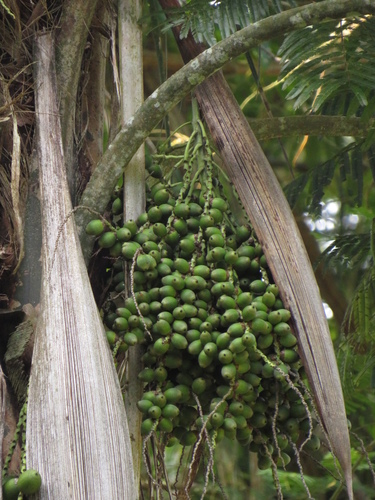
wikimedia· cc-by-sa
Wikimedia Commons - KengSiri
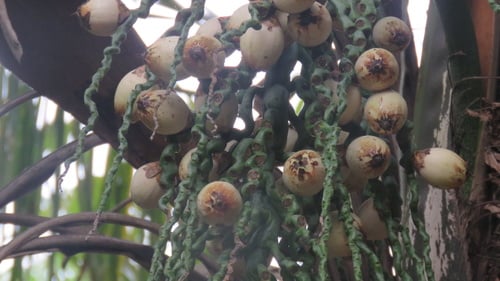
wikimedia· cc-by-sa
Wikimedia Commons - KengSiri
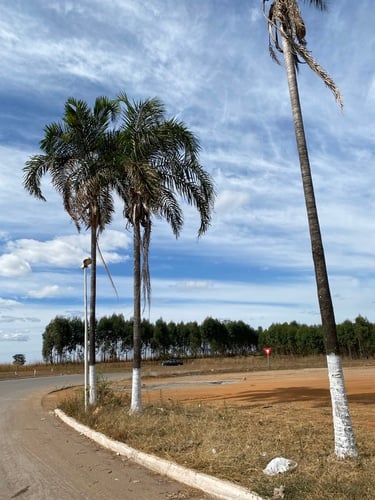
wikimedia· cc-by-sa
Wikimedia Commons - Abu Hamas
Description
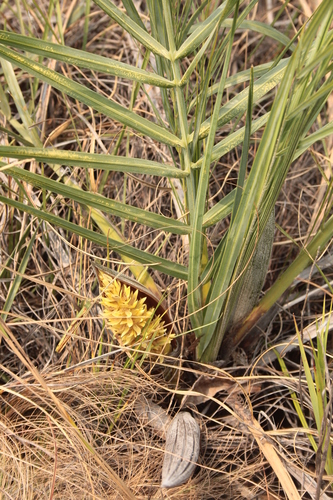
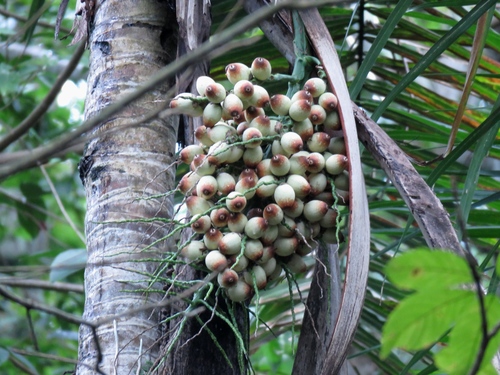
A tropical palm without a stem that grows in swamps, producing very sour fruit.
This description is brief — help expand it
Edible Uses
The fruit are eaten fresh and used in cooking as a substitute for tamarind, particularly for seasoning curries.
Traditional Uses
The fruit are eaten. They are also used in cooking in place of tamarind. They are used for seasoning curries.
This uses section is brief — help expand it
Distribution
A tropical plant. They grow in swamps.
Where It Grows
Asia, Indonesia, Malaysia, SE Asia, Singapore,
Synonyms
Zalacca conferta Griff.
Also Known As
Asam paya, Asam payo, Bayam, Kelubi, Kelumbi, Kubi, Kuwai-kuwai, Salak hutan
References (6)
- Burkill, I.H., 1966, A Dictionary of the Economic Products of the Malay Peninsula. Ministry of Agriculture and Cooperatives, Kuala Lumpur, Malaysia. Vol 2 (I-Z) p 2324 (As Zalacca conferta)
- Facciola, S., 1998, Cornucopia 2: a Source Book of Edible Plants. Kampong Publications, p 31
- Hedrick, U.P., 1919, (Ed.), Sturtevant's edible plants of the world. p 691 (As Zalacca conferta)
- INFOODSUpdatedFGU-list.xls
- Milow, P., et al, 2013, Malaysian species of plants with edible fruits or seeds and their evaluation. International Journal of Fruit Science. 14:1, 1-27
Show all 6 references Hide references
- van Wyk, B., 2005, Food Plants of the World. An illustrated guide. Timber press. p 334