Saraca bijuga
Prain
Sok nam, Dado litaw, Ashok
iNaturalist· cc-by-nc
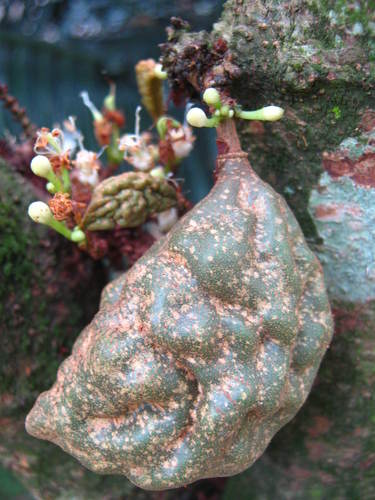
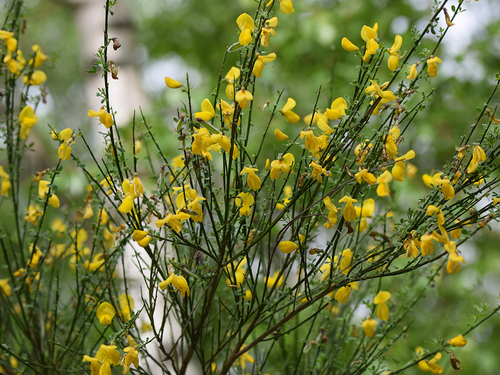
(c) mihailovujic, some rights reserved (CC BY-NC)
iNaturalist· cc-by-nc
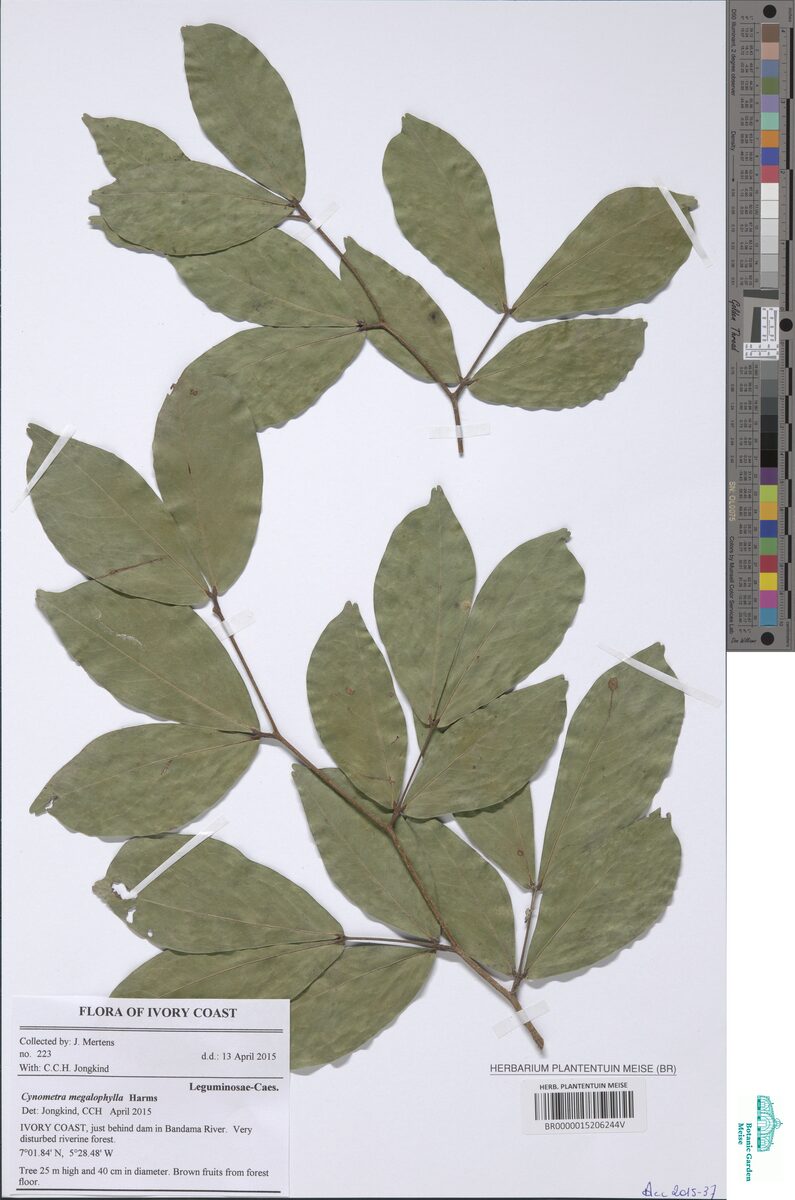
(c) sandy-huiping, some rights reserved (CC BY-NC)
iNaturalist· cc-by-nc
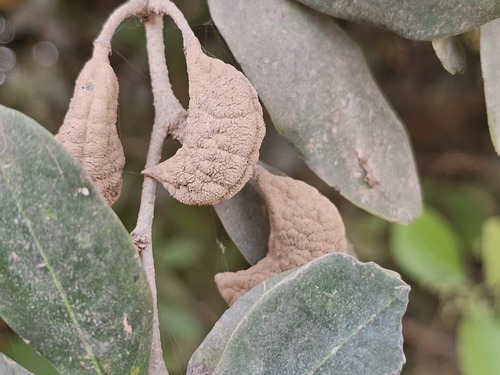
(c) sandy-huiping, some rights reserved (CC BY-NC)
Description
A tropical tree from Asia in the Fabaceae family, Saraca bijuga produces flowers and young leaves that are commonly eaten, while its fruit are chewed as a substitute for betel nuts.
Edible Uses
The flowers and young leaves are eaten fresh. The fruits are chewed as a masticatory, similar to areca nuts.
Traditional Uses
The flowers and young leaves are eaten. Fruit are chewed instead of Areca nuts.
This uses section is brief — help expand it
Distribution
A tropical plant.
Where It Grows
Asia, Indochina, Malaysia, Myanmar, SE Asia, Thailand,
Notes
There are 11-70 Saraca species. They are trees from Asia. Also as Caesalpinaceae.
Synonyms
Also Known As
Pan-sayeik
References (3)
- Burkill, I.H., 1966, A Dictionary of the Economic Products of the Malay Peninsula. Ministry of Agriculture and Cooperatives, Kuala Lumpur, Malaysia. Vol 2 (I-Z) p 1999
- Facciola, S., 1998, Cornucopia 2: a Source Book of Edible Plants. Kampong Publications, p 68
- Tanaka,