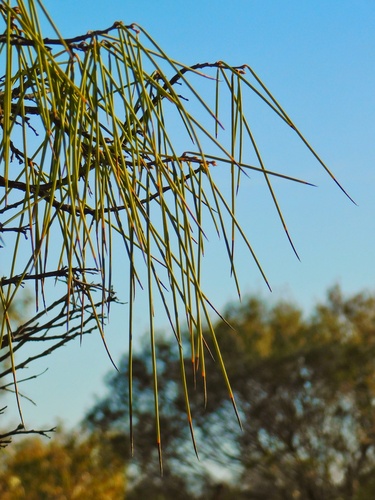
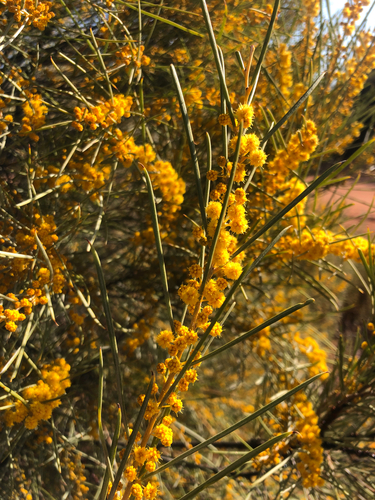
Psoralea glandulosa
Linn.
Jesuit tea, Culen, Cule
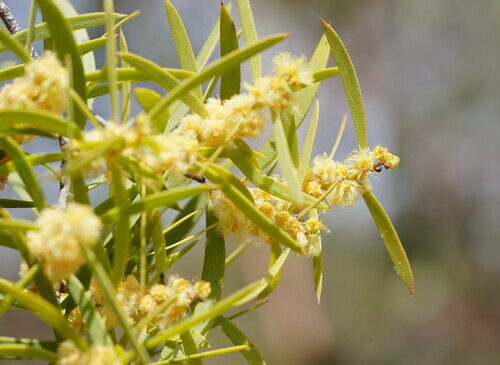
iNaturalist· cc-by-nc
(c) Phyllis Tebbs Carrasco, some rights reserved (CC BY-NC)
iNaturalist· cc-by-nc
(c) Phyllis Tebbs Carrasco, some rights reserved (CC BY-NC)
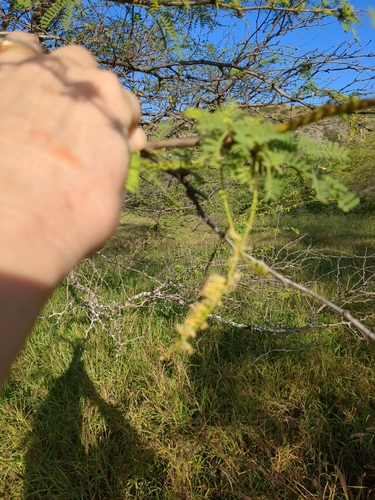
iNaturalist· cc-by-nc
(c) Phyllis Tebbs Carrasco, some rights reserved (CC BY-NC)
Summary
Source: WikipediaPsoralea glandulosa is a herb species in the genus Psoralea found in Perú and Chile in South America and also in the United States. Psoralea glandulosa was described by Carl Linnaeus and published in Species Plantarum 2: 1075. 1763. As of May 2023, Plants of the World Online treats the species as Otholobium glandulosum, which it regards as an unplaced name.
Description
A deciduous shrub growing to nearly 10 feet tall, flowering from May to September. Hardy to UK zone 9. Thrives in light sandy, medium loamy, and heavy clay soils with good drainage and variable pH tolerance. Requires full sun and prefers moist soil. Hermaphroditic flowers attract insects, and the plant fixes nitrogen.
Edible Uses
The leaves can be used as a tea substitute, and boiling them produces a delicious carbonated beverage. The young shoots are used to make a refreshing cold drink.
Traditional Uses
The leaves are used for tea.
This uses section is brief — help expand it
Medicinal Uses
The leaves are anthelmintic and tonic. The plant as a whole has astringent, cathartic, digestive, febrifuge, and vermifuge properties, and has been used for skin conditions. The root is emetic.
Known Hazards
Although no specific mention of toxicity for this species has been found, at least some members of this genus contain furanocoumarins, these substances can cause photosensitivity in some people.
Distribution
A tropical plant. In Chile it grows between 500-2,000 m altitude. It grows in humid areas with constant rain. It can tolerate short dry periods. It grows in full sun. It suits hardiness zone 8. It can tolerate some frost and snow.
Where It Grows
Andes, Chile, Mauritius, South America,
Cultivation
Succeeds in an ordinary garden soil. Requires a sunny position and a well-drained soil. Not very hardy outdoors in Britain, plants tolerate temperatures down to between -5 and -10°c provided they are grown in a perfectly drained soil with the protection of a south or south-west facing wall. Plants can regrow from buds low down on old wood if the are cut back by frosts. There are tender and hardy forms of this species. Flowers are produced on the previous seasons growth and also late in the season on the current seasons. Cultivated in Chile for its young shoots, which are used to make a drink, and also for its medicinal properties. This species has a symbiotic relationship with certain soil bacteria, these bacteria form nodules on the roots and fix atmospheric nitrogen. Some of this nitrogen is utilized by the growing plant but some can also be used by other plants growing nearby.
Propagation
Pre-soak the seed for 24 hours in warm water and sow in early to mid spring in a greenhouse. Once large enough to handle, prick the seedlings out into individual pots and grow on in light shade in a cold frame for at least the first winter. Plant out into permanent positions in late spring or early summer, after the last expected frosts. Can also be propagated by half-ripe cuttings taken in July or August in a frame.
Other Uses
Nitrogen fixer.
References (5)
- Burkill, I.H., 1966, A Dictionary of the Economic Products of the Malay Peninsula. Ministry of Agriculture and Cooperatives, Kuala Lumpur, Malaysia. Vol 2 (I-Z) p 1851
- Facciola, S., 1998, Cornucopia 2: a Source Book of Edible Plants. Kampong Publications, p 110
- Hedrick, U.P., 1919, (Ed.), Sturtevant's edible plants of the world. p 533
- Sp. pl. ed. 2, 2:1075. 1763
- www.chileflora.com