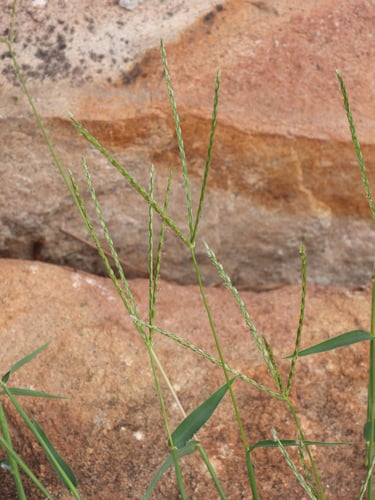
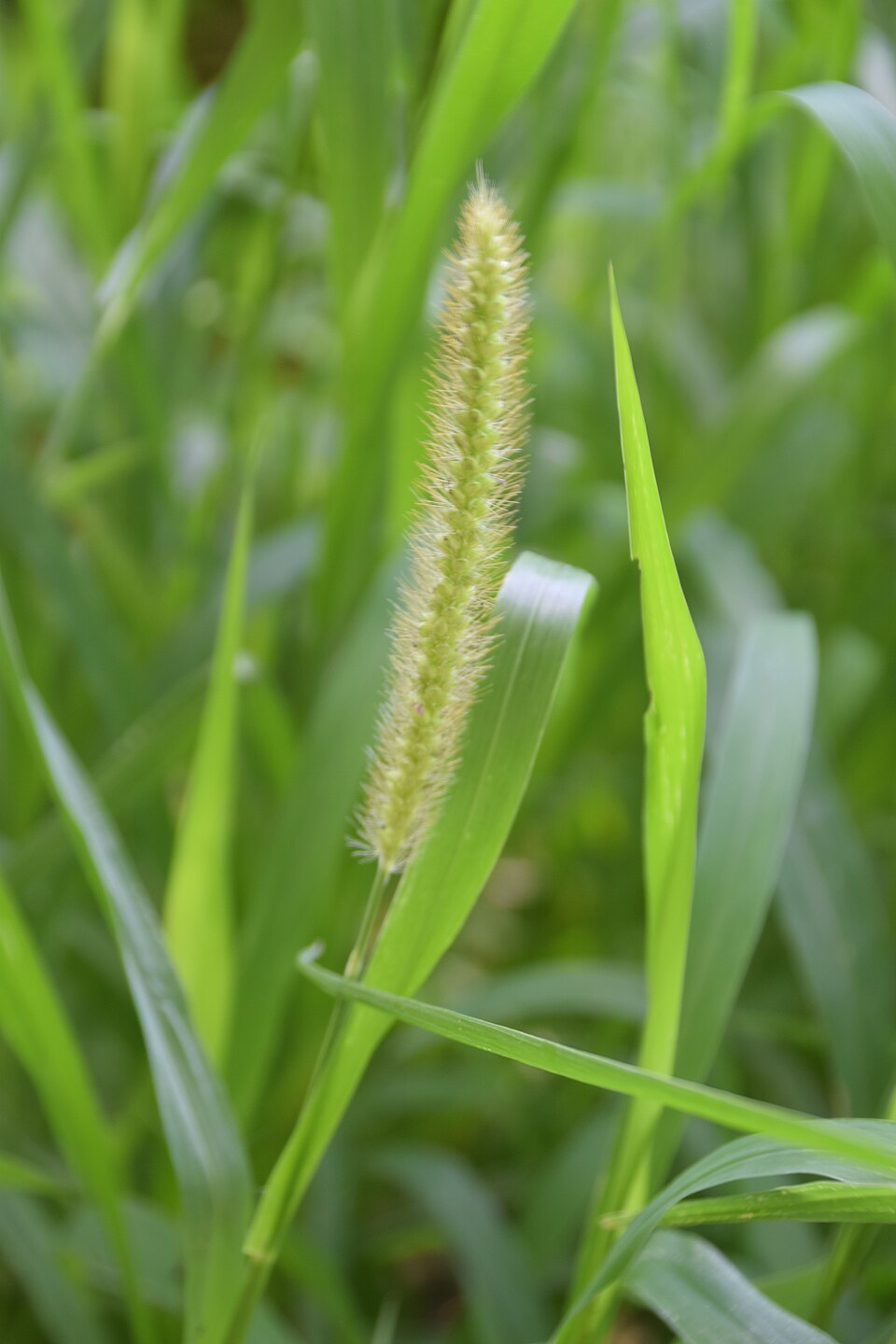
Paspalidium flavidum
(Retz.) A. Camus
iNaturalist· cc-by-nc
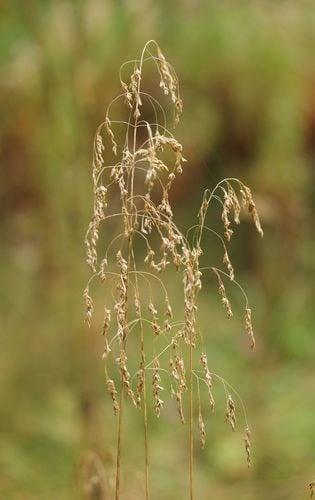
(c) Abhishek Kumar, some rights reserved (CC BY-NC)
iNaturalist· cc-by-nc
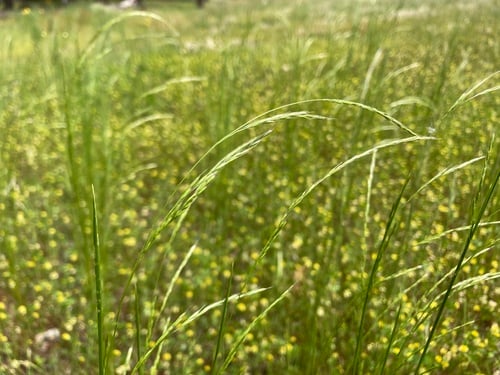
(c) Abhishek Kumar, some rights reserved (CC BY-NC)
iNaturalist· cc-by-nc
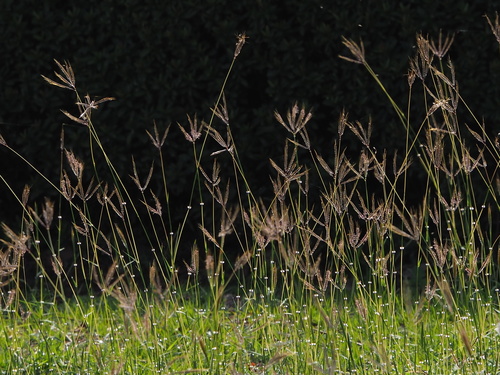
(c) Abhishek Kumar, some rights reserved (CC BY-NC)
Description
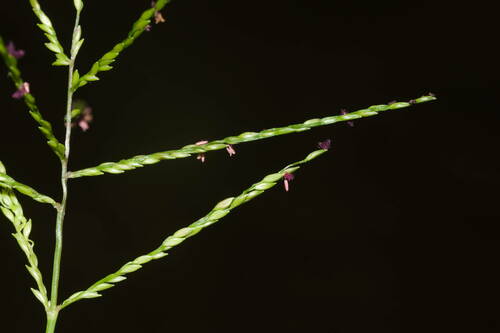
A small grass. It keeps growing from year to year. It forms tufts. It grows 30-100 cm tall. The leaf blades are 5-30 cm long by 0.5-1 cm wide.
This description is brief — help expand it
Edible Uses
The seeds are used for making bread and serve as a cereal grain.
Traditional Uses
The seeds are used for making bread.
This uses section is brief — help expand it
Distribution
A tropical plant. It grows in moist places with medium to heavy soil. In India it grows in western Rajasthan. In southern China it grows along the edges of fields and moist open places between 100-1,500 m above sea level.
Where It Grows
Asia, Australia, Bhutan, Cambodia, China, Himalayas, India, Indochina, Indonesia, Laos, Malaysia, Mauritius, Myanmar, Pacific, Philippines, SE Asia, Sri Lanka, Thailand, Vietnam,
Other Information
A famine food.
Synonyms
Also Known As
Arisipillu, Bilainangi, Chapri, Gorin, Jhinko samo, Matamar, Neetichama, Sin-ngo-myet, Udagaddi
References (4)
- Ambasta, S.P. (Ed.), 2000, The Useful Plants of India. CSIR India. p 425, 432
- Burkill, I.H., 1966, A Dictionary of the Economic Products of the Malay Peninsula. Ministry of Agriculture and Cooperatives, Kuala Lumpur, Malaysia. Vol 2 (I-Z) p 1701
- GUPTA & KANODIA, (As Panicum flavidum)
- H. Lecomte, Fl. Indo-Chine 7:419. 1922