Begonia tuberosa
Lam.
Tuberous Begonia
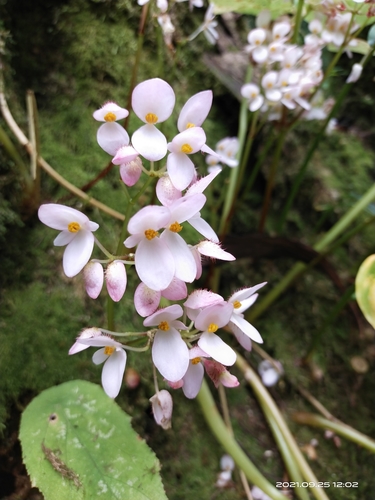
iNaturalist· cc-by-nc-sa
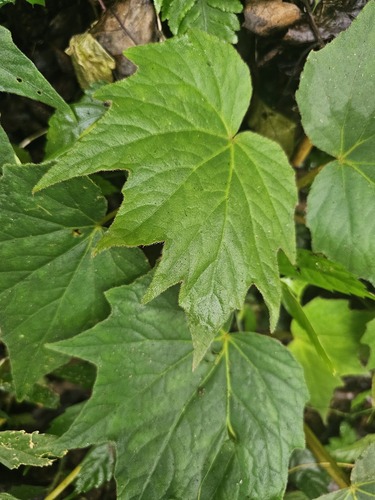
(c) Alejandro Gómez Nísino, some rights reserved (CC BY-NC-SA)
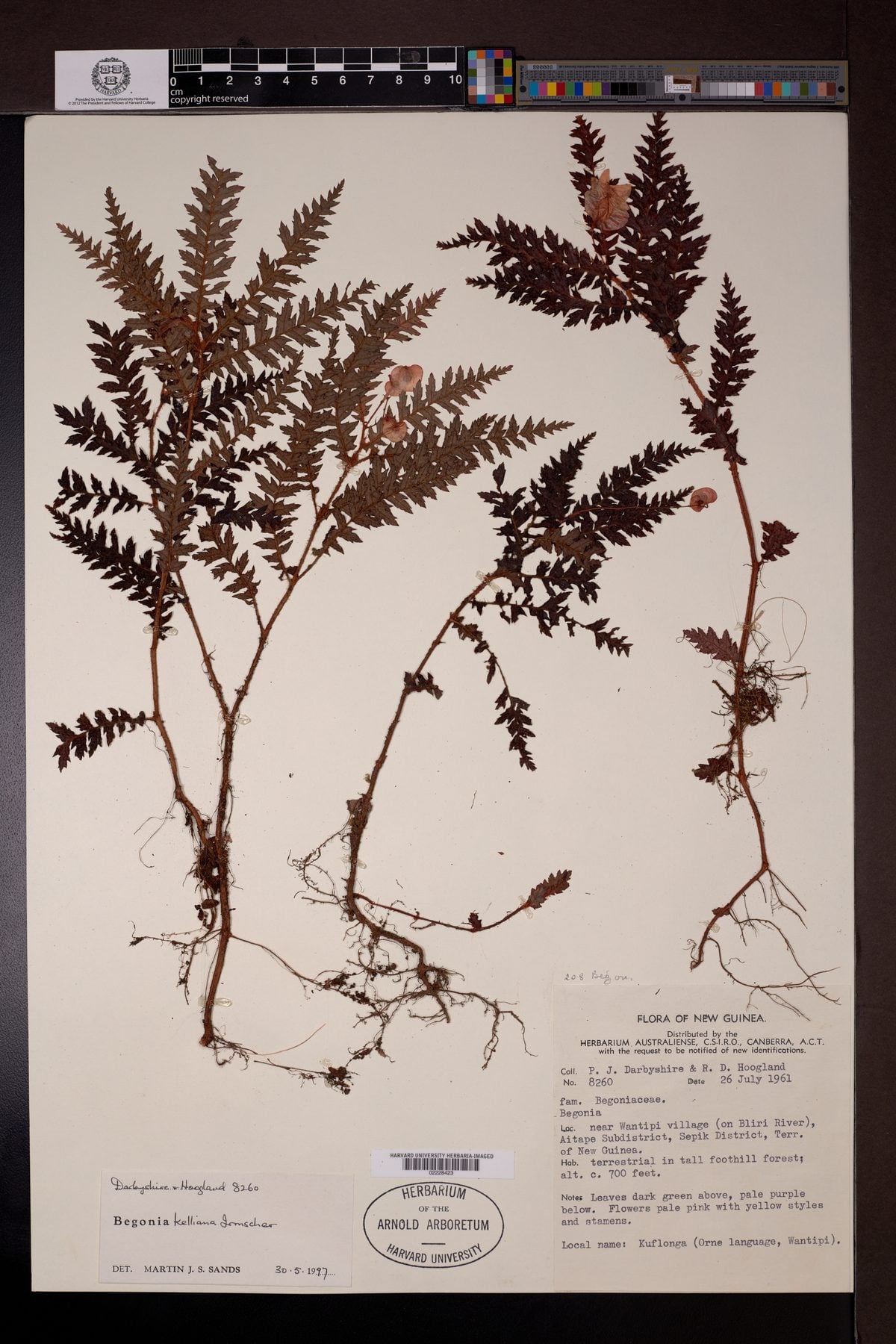
iNaturalist· cc-by-nc
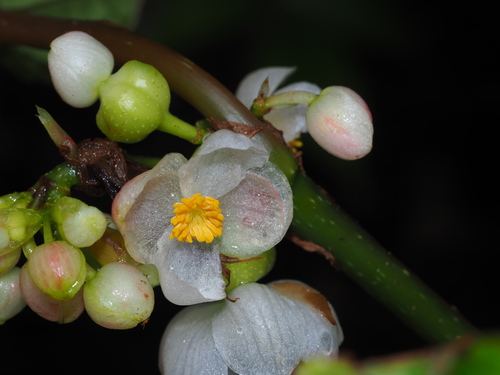
(c) Mark Fishbein, some rights reserved (CC BY-NC)
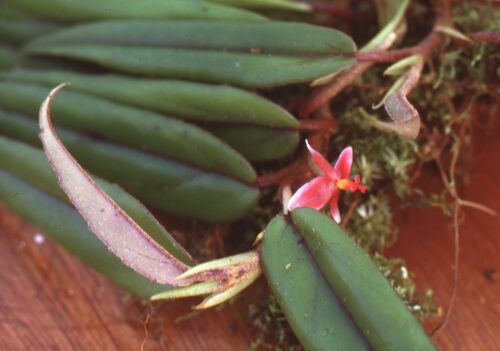
iNaturalist· cc-by-nc-sa
(c) Alejandro Gómez Nísino, some rights reserved (CC BY-NC-SA)
Description
A tropical plant in the Begoniaceae family, represented by several hybrid cultivars.
This description is brief — help expand it
Edible Uses
The leaves are cooked with fish or boiled into a sauce. The flowers have a lemon flavour and can be eaten in salads, used in desserts, or made into sauces. The leaf stalks can be used as a rhubarb substitute in pies.
Traditional Uses
The leaves are eaten and cooked with fish. They are also boiled down into a sauce. The flowers can also be eaten in salads or used in desserts or made into sauces. They have a lemon flavour. The leaf stalks can be used as a rhubarb substitute in pies. Caution: They can contain oxalic acid.
Known Hazards
The leaves and stalks can contain oxalic acid.
Distribution
A tropical plant.
Where It Grows
Asia, Indonesia, SE Asia,
Notes
There are 900-1,000-1,500 Begonia species.
Synonyms
References (7)
- Burkill, I.H., 1966, A Dictionary of the Economic Products of the Malay Peninsula. Ministry of Agriculture and Cooperatives, Kuala Lumpur, Malaysia. Vol 1 (A-H) p 316
- Burnie, G.(Ed.), 2003, Annuals and Bulbs. The Gardener's Handbooks. Fog City Press. p 247
- Facciola, S., 1998, Cornucopia 2: a Source Book of Edible Plants. Kampong Publications, p 48
- Martin, F.W. & Ruberte, R.M., 1979, Edible Leaves of the Tropics. Antillian College Press, Mayaguez, Puerto Rico. p 98, 178
- Seidemann J., 2005, World Spice Plants. Economic Usage, Botany, Taxonomy. Springer. p 64
Show all 7 references Hide references
- Terra, G.J.A., 1973, Tropical Vegetables. Communication 54e Royal Tropical Institute, Amsterdam, p 29
- Uphof, 1968,