Begonia laciniata
Roxb.
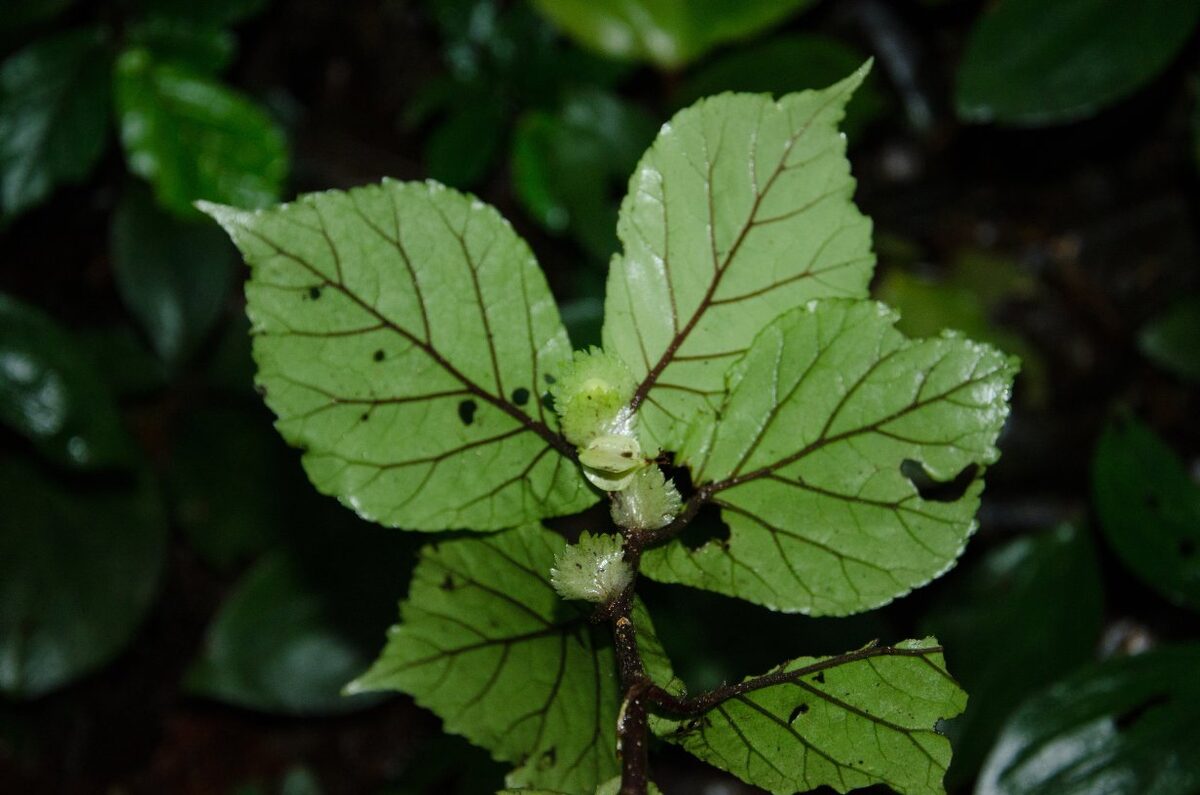
iNaturalist· cc-by-nc
(c) 郭伯川, some rights reserved (CC BY-NC)
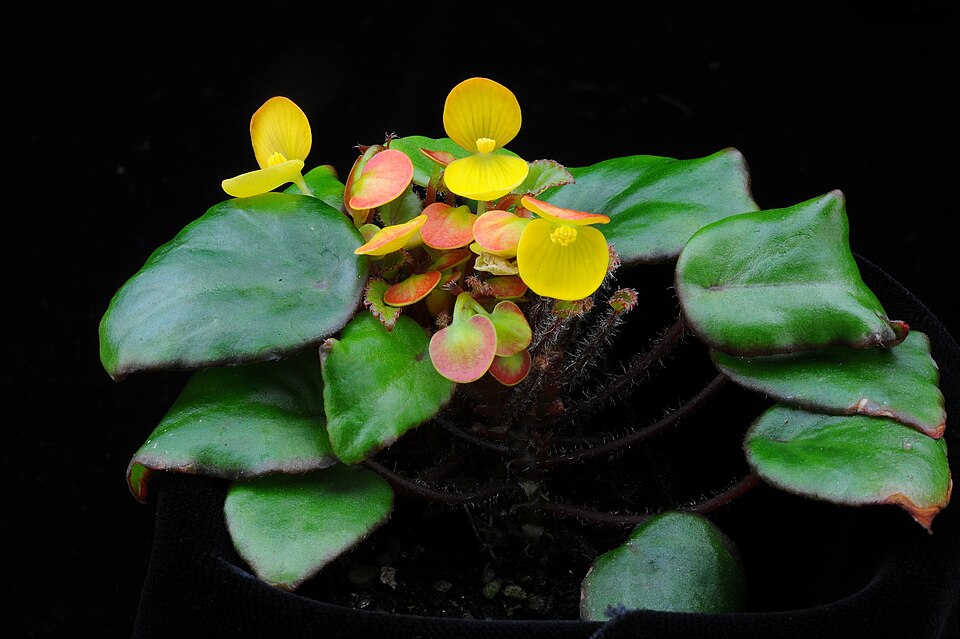
iNaturalist· cc-by-nc
(c) 郭伯川, some rights reserved (CC BY-NC)
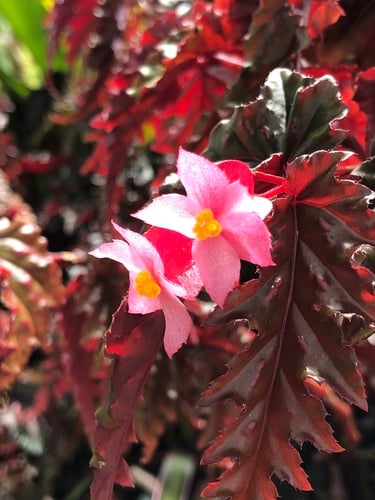
iNaturalist· cc-by-nc
(c) 郭伯川, some rights reserved (CC BY-NC)
Description
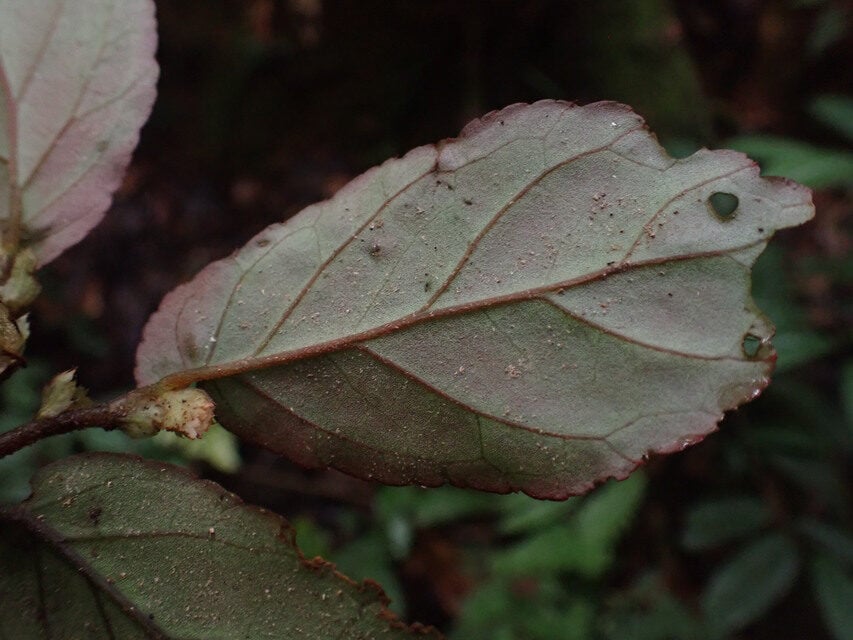
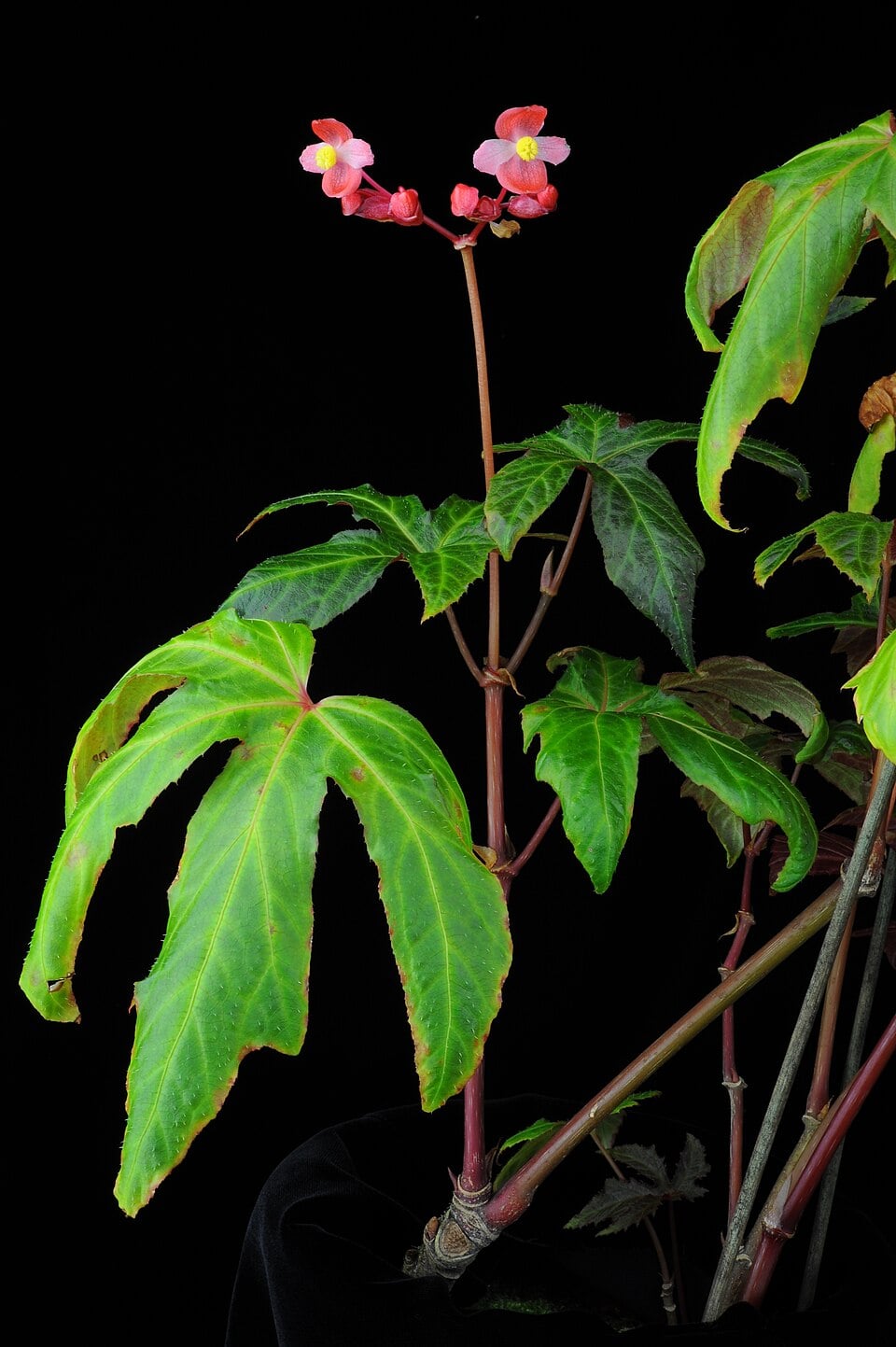
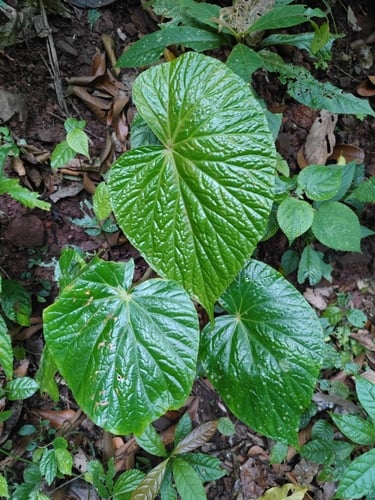
A small herb. It grows 60-100 cm high. It keeps growing from year to year. The leaves have lobes. The flowers are pink.
This description is brief — help expand it
Edible Uses
The leaves are eaten fresh or cooked and used as a flavouring in dishes.
Traditional Uses
The leaves are eaten fresh or cooked as a flavouring.
This uses section is brief — help expand it
Distribution
A tropical plant. In Yunnan.
Where It Grows
Asia, China, Indochina, Myanmar, SE Asia, Taiwan, Vietnam,
Production
Leaves are available throughout the year.
Notes
There are 900-1,000-1,500 Begonia species.
Nutrition
| Part | Moisture | kJ | kcal | Protein | Vit A | Vit C | Iron | Zinc |
|---|---|---|---|---|---|---|---|---|
| Leaves | 88.5 | 122 | 29 | 1.5 | — | 15 | — | — |
Synonyms
Possibly syn of Begonia palmata
Also Known As
Kyaukchin-gyi, Palou, Pachoule, Thuhaiduong ria
References (5)
- Fl. ind. ed. 1832, 3:649. 1832
- Kuo, W. H. J., (Ed.) Taiwan's Ethnobotanical Database (1900-2000), http://tk.agron.ntu.edu.tw/ethnobot/DB1.htm
- Mot So Rau Dai an Duoc O Vietnam. Wild edible Vegetables. Ha Noi 1994, p 192
- Pham-Hoang Ho, 1999, An Illustrated Flora of Vietnam. Nha Xuat Ban Tre. p 582
- Xu, You-Kai, et al, 2004, Wild Vegetable Resources and Market Survey in Xishuangbanna, Southwest China. Economic Botany. 58(4): 647-667.