Syzygium cymosum
(Lam.) DC.
iNaturalist· cc-by-nc
(c) michi1, some rights reserved (CC BY-NC), uploaded by michi1
iNaturalist· cc-by-nc
(c) michi1, some rights reserved (CC BY-NC), uploaded by michi1
iNaturalist· cc-by-nc
(c) marc_roussin, some rights reserved (CC BY-NC)
Description
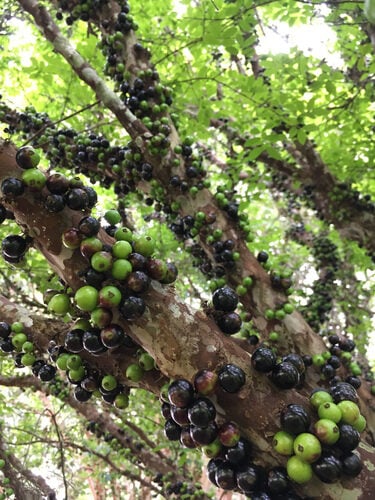
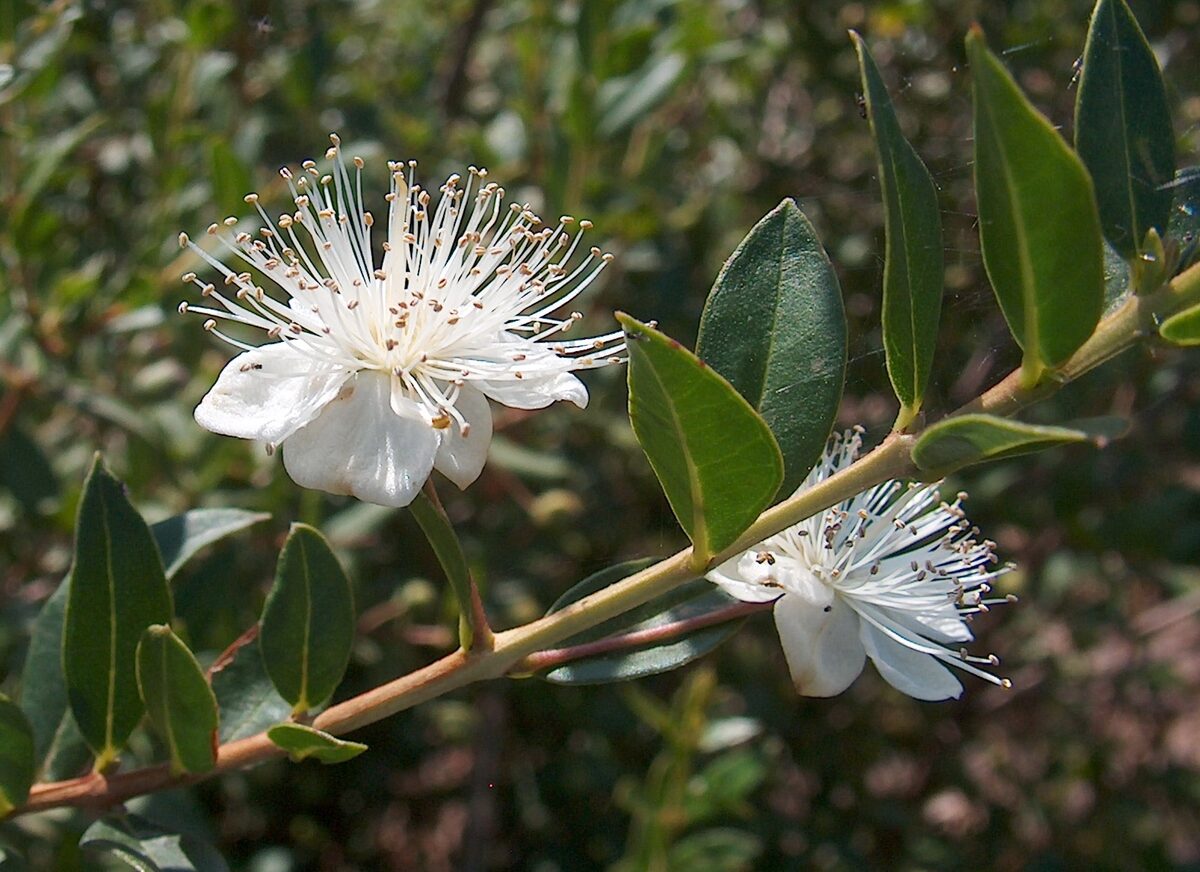
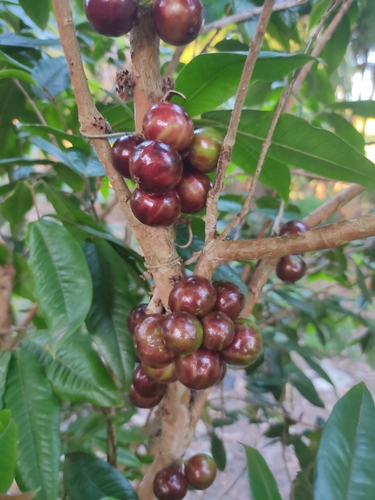
A medium sized tree. It grows 20 m tall. The trunk can be 50 cm across. The leaves are simple and opposite. The flowers are white. The fruit are purple.
Edible Uses
The leaves may be used dried or fresh in the cuisine of Sumatra, Java, Madura, or Bali. It is an ingredient in dishes such as sayur lodeh and nasi gurih. In Suriname it is known as 'salam blad' and widely used in Javanese cuisine, mainly in dishes such as soto soup and various stews. Because of its unique flavor it is not possible to find suitable substitutes for it.
Traditional Uses
The young leaves are used raw to make a spicy dip.
This uses section is brief — help expand it
Distribution
A tropical plant. In Reunion it grows between 100-1,200 m above sea level.
Where It Grows
Asia, Bangladesh, India, Indochina, Indonesia, Malaysia, Mauritius, Myanmar, Reunion, SE Asia, Thailand,
Propagation
Seed - best sown as soon as it is ripe.
Other Uses
A black dye is obtained from the bark. The bark is pounded, soaked in water, then boiled in coconut milk. The cloth is then soaked in the liquid and dried. The wood is used for making panels. We do not have any more specific information for the wood of this species, but the various species of Syzygium tend to have somewhat similar timber. The general description of syzygium timber is as follows:- The heartwood is a golden brown, greyish brown or brown, with pink or purplish glints; it is not clearly demarcated from the 1 - 4cm wide band of sapwood. The texture is fine; the grain slightly interlocked, sometimes wavy or irregular; there are resin deposits. The wood is heavy; moderately hard; somewhat durable, being moderately resistant to fungi and termites, but susceptible to dry wood borers. It seasons slowly, with a high risk of checking and distortion; once dry it is moderately stable in service. It works well with ordinary tools, nailing and screwing are good so long as the wood is pre-bored; gluing is correct. The wood is used for musical instruments, tool handles, furniture components, ship building, heavy carpentry, flooring, joinery etc.
Synonyms
Also Known As
Bois de pomme rouge, Deng ki nok, Deng klawng, Doeng khlong, Kelat bukit, Kelat hitam, Kelat jantan, Kelat puteh, Khudi jam, Khurijam, Ki sereum, Kopo, Manting, Salam, Thabye-kyetter, Thitni, Wa som
References (5)
- Burkill, I.H., 1966, A Dictionary of the Economic Products of the Malay Peninsula. Ministry of Agriculture and Cooperatives, Kuala Lumpur, Malaysia. Vol 1 (A-H) p 982
- Jacquat, C., 1990, Plants from the Markets of Thailand. D.K. Book House p 67
- Pasha, M. K. & Uddin, S. B., 2019, Minor Edible Fruits of Bangladesh. Bangladesh J. Plant Taxon. 26(2): 299–313
- Prodr. 3:259. 1828
- Solomon, C., 2001, Encyclopedia of Asian Food. New Holland. p 189 (As Eugenia cymosa)