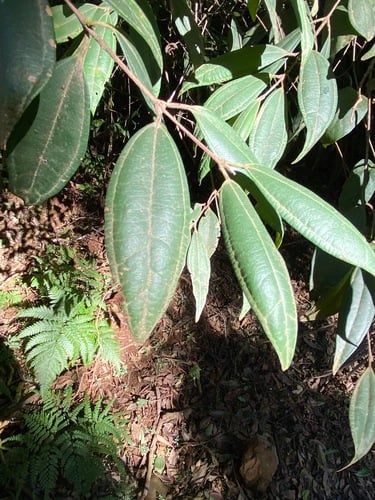
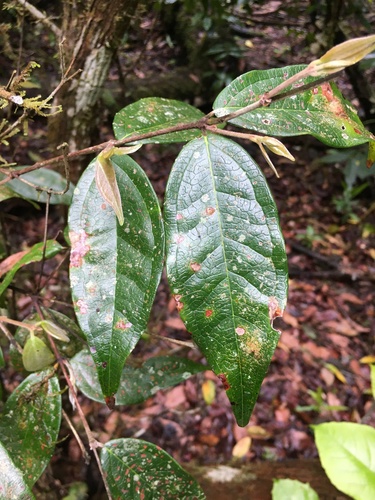
Syzygium curranii
(C. B. Robinson) Merr.
Lipote, Curran lipote
wikimedia· cc-by-sa
Wikimedia Commons - Ringer
wikimedia· cc-by-sa
Wikimedia Commons - Ringer
Summary
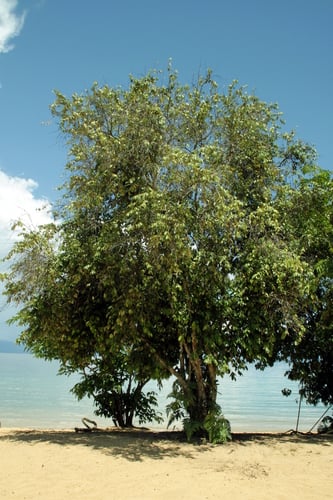
Source: WikipediaSyzygium curranii, commonly known as lipote, is a species of tree endemic to the Philippines. It bears sweet to sour black or red berries that can be eaten fresh (usually with salt or sugar), but are more commonly turned into jams or wine. The tree grows to a height of around 15 m (49 ft). The leaves are oblong in shape and are around 20 to 25 cm (7.9 to 9.8 in) long and 6 to 8 cm (2.4 to 3.1 in) wide. The tree is also harvested for its timber which is used for construction. It is not commercially cultivated and the fruit is harvested from the wild. It is threatened with habitat loss. Syzygium curranii is also known as lipot, igot, balig-ang, maigang, or malig-ang, among other common names. These names are shared with Syzygium polycephaloides, a closely related species with similar edible berries.
Description
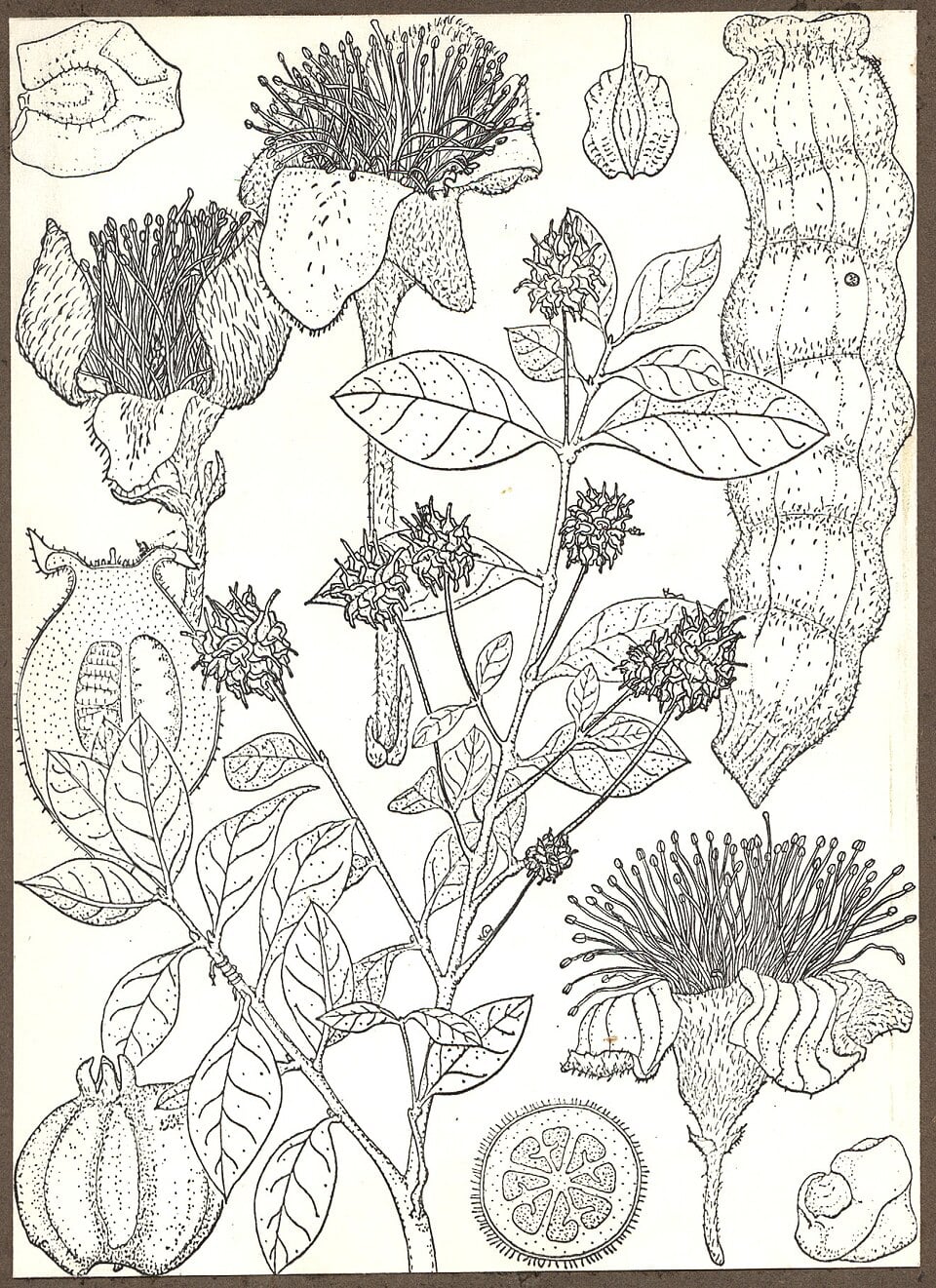
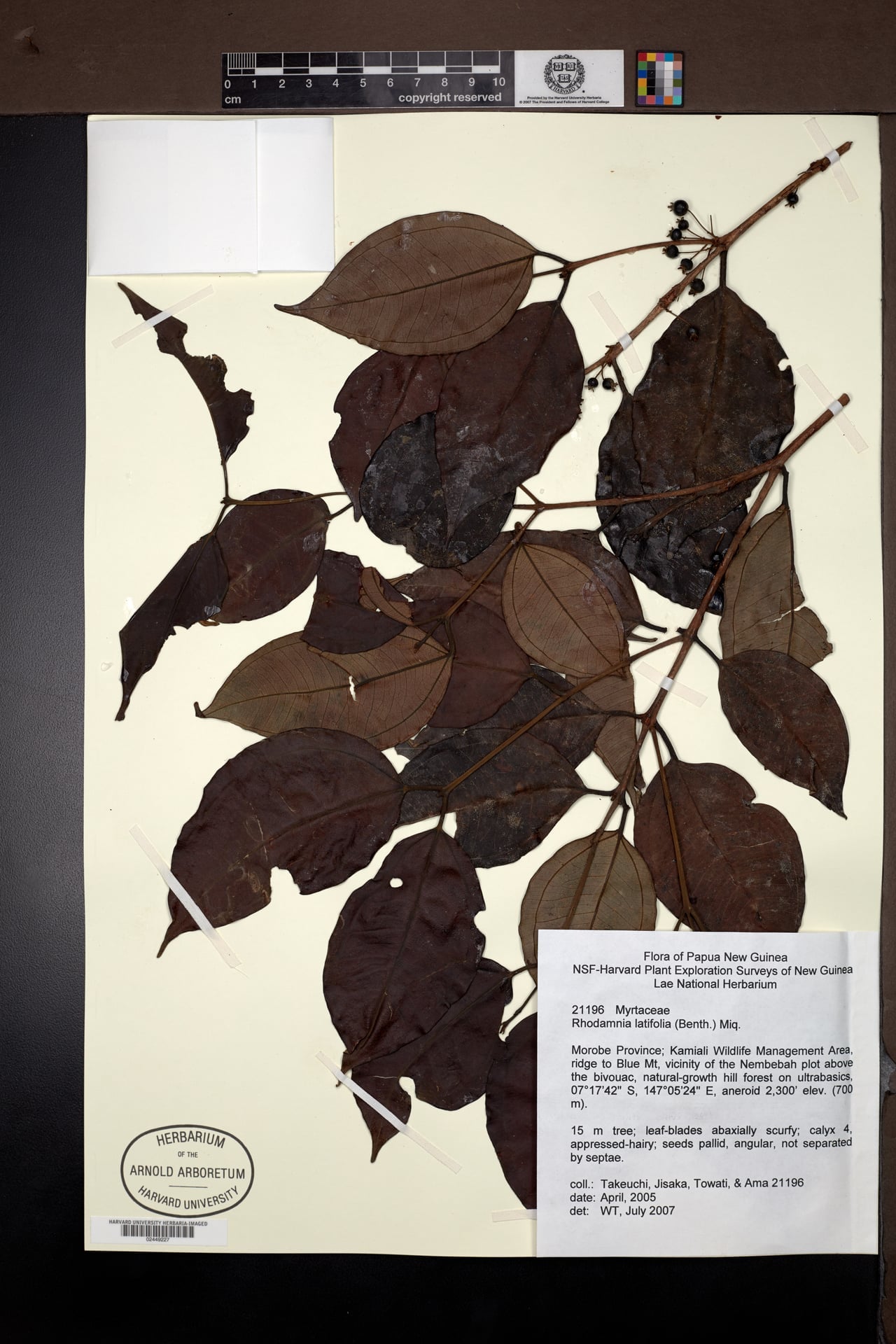
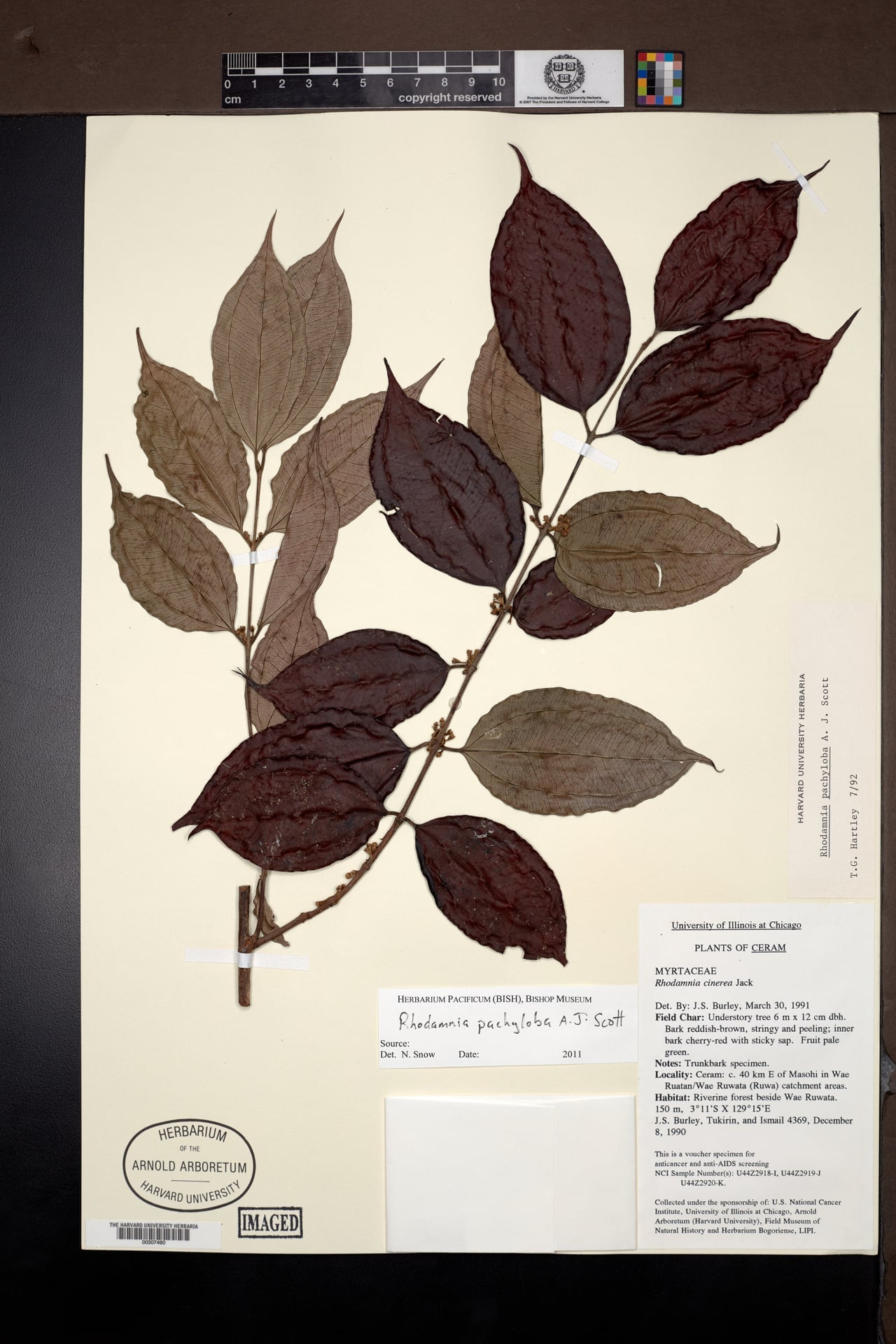
A medium sized tree. It grows up to 10 m tall and spreads 4 m across. The stem is erect with spreading branches. The young branches are angularly winged. The leaves are smooth, opposite and heart shaped at the base while sharply pointed at the tip. They are dark green and shiny. The flowers are white or pink and borne on very swollen structures along the stem. The fruit are nearly round and whitish but can become red on maturity. The fruit is edible.
Edible Uses
Fruit - raw or cooked. A pleasant acid flavour. Rather acid for a dessert fruit. They can be made into jellies, preserves or wine. The dark red to black fruit is an ellipsoid berry, 10 - 25mm in diameter.
Traditional Uses
The fleshy portion of the fruit is eaten raw. They are also used for jelly and drinks.
This uses section is brief — help expand it
Distribution
A tropical plant. Found in Mt Isarog and Laguna in the Philippines. It prefers rich, moist, well-drained soil. They cannot tolerate water-logging. It does best with a sheltered and partly shady position. Trees are damaged by frost when young.
Where It Grows
Asia, Australia, Myanmar, Pacific, Philippines, SE Asia,
Cultivation
It is grown from fresh seed. Because fruit quality varies it is best to grow plants by vegetative means. Budding and grafting can be used.
Propagation
Seed - best sown as soon as it is ripe.
Other Uses
The wood is used for boards. We do not have any more specific information for the wood of this species, but the various species of Syzygium tend to have somewhat similar timber. The general description of syzygium timber is as follows:- The heartwood is a golden brown, greyish brown or brown, with pink or purplish glints; it is not clearly demarcated from the 1 - 4cm wide band of sapwood. The texture is fine; the grain slightly interlocked, sometimes wavy or irregular; there are resin deposits. The wood is heavy; moderately hard; somewhat durable, being moderately resistant to fungi and termites, but susceptible to dry wood borers. It seasons slowly, with a high risk of checking and distortion; once dry it is moderately stable in service. It works well with ordinary tools, nailing and screwing are good so long as the wood is pre-bored; gluing is correct. The wood is used for musical instruments, tool handles, furniture components, ship building, heavy carpentry, flooring, joinery etc.
Production
Growth tends to be slow and fruiting irregular.
Synonyms
Also Known As
Igot
References (8)
- Arora, R. K., 2014, Diversity in Underutilized Plant Species - An Asia-Pacific Perspective. Bioversity International. p 70, p 88 (Also as Eugenia curranii)
- Bodkin, F., 1991, Encyclopedia Botanica. Cornstalk publishing, p 458
- Brown, W.H., 1920, Wild Food Plants of the Philippines. Bureau of Forestry Bulletin No. 21 Manila. p 136
- Coronel, R.E., 1982, Fruit Collections in the Philippines. IBPGR Newsletter p 8
- Garner, R.J., and Chaudhri, S.A., (Ed.) 1976, The Propagation of Tropical fruit Trees. FAO/CAB. p 343
Show all 8 references Hide references
- Monsalud, M.R., Tongacan, A.L., Lopez, F.R., & Lagrimas, M.Q., 1966, Edible Wild Plants in Philippine Forests. Philippine Journal of Science. p 503
- PROSEA handbook Volume 9 Plants yielding non-seed carbohydrates. p 190 and No. 2
- World Checklist of Useful Plant Species 2020. Royal Botanic Gardens, Kew