Epilobium royleanum
Hausskn.
Aatraasu
iNaturalist· cc-by
(c) Dee Shea Himes, some rights reserved (CC BY), uploaded by Dee Shea Himes
wikimedia· cc-by-sa
Wikimedia Commons - Dinesh Valke from Thane, India
wikimedia· cc-by-sa
Wikimedia Commons - Dinesh Valke from Thane, India
Description
An erect herb. It has soft hairs. The stems are 10-60 cm tall. The leaves are narrowly oval and 2-6 cm long by 1-3 cm wide. There are teeth along the edge. The flowers are pink. They occur as many stalks in the axils of leaves.
Edible Uses
The leaves are cooked as a vegetable and added to tea.
Traditional Uses
The leaves are cooked as a vegetable. They are also added to tea.
This uses section is brief — help expand it
Medicinal Uses
The leaves are used in traditional medicine as part of tea preparations.
Distribution
It is a temperate plant. It grows in moist weedy places in valleys and along streams. In China it grows between 1,400-3,300 m above sea level. In Sichuan and Yunnan.
Where It Grows
Afghanistan, Asia, Bhutan, China, Himalayas, India, Iran, Middle East, Nepal, Pakistan, Tibet,
Notes
There are about 165 Epilobium species. They are mostly temperate.
Synonyms
References (2)
- Flora of Pakistan. www.eFloras.org
- Negi, K.S., 1988, Some little known wild edible plants of U.P. Hills. J. Econ. Tax. Bot. Vol. 12 No. 2 pp 345-360
More from Onagraceae
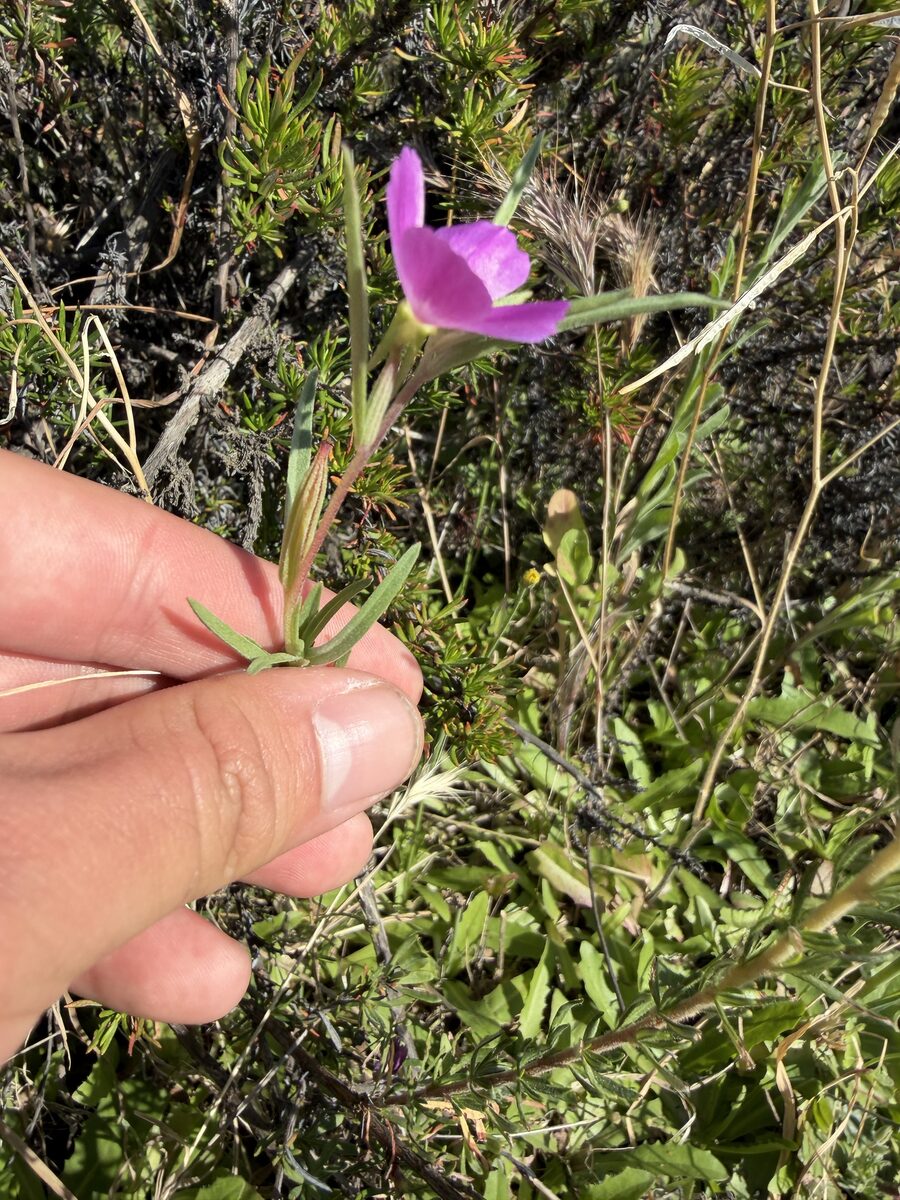
Clarkia purpurea subsp. quadrivulnera
Small flowered godetia
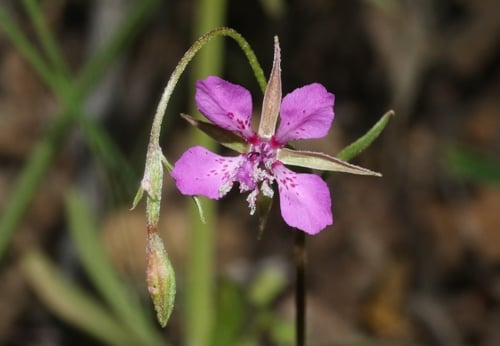
Clarkia rhomboidea
Diamond clarkia
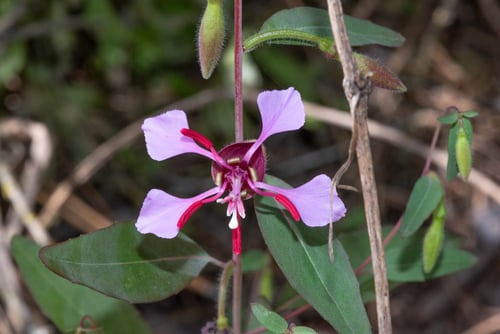
Clarkia unguiculata
Elegant fairyfan
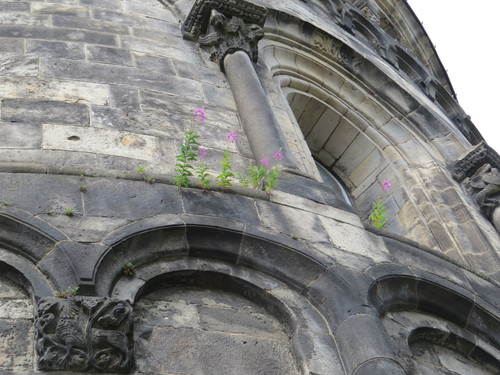
Epilobium angustifolium
Rose bay, Fireweed, Willow Herb, Great willowherb, French willow
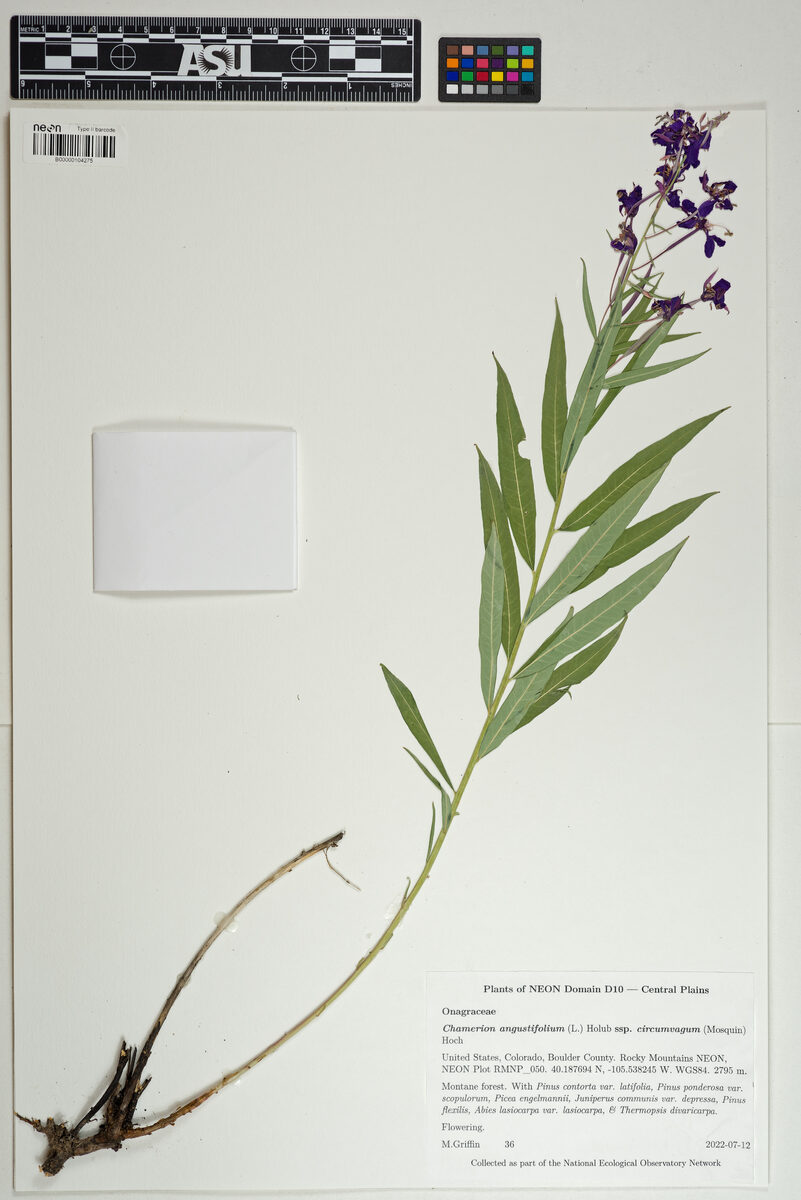
Epilobium angustifolium subsp. circumvagum
Rosebar willow-herb, Fireweed
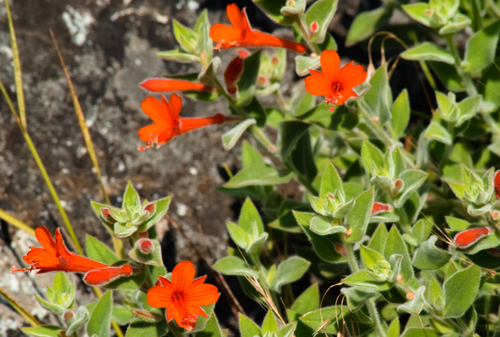
Epilobium canum subsp. latifolium
Hummingbird trumpet