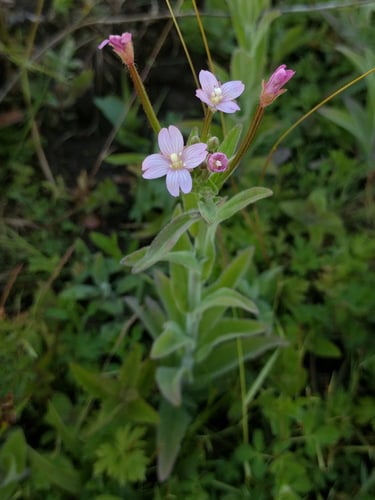
Oenothera glazioviana
Micheli.
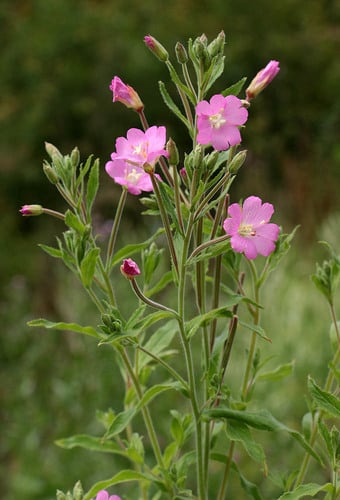
Large-Flower Evening Primrose, Redsepal evening primrose
iNaturalist· cc-by-nc
(c) deckley, some rights reserved (CC BY-NC)
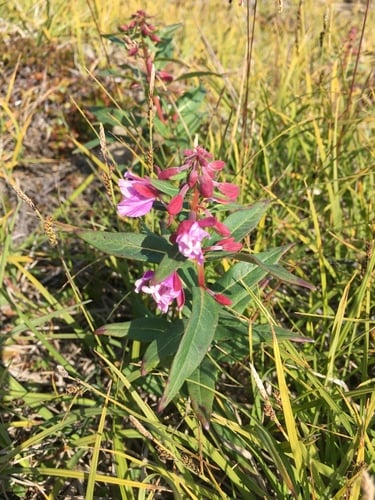
iNaturalist· cc-by-nc
(c) malinaj, some rights reserved (CC BY-NC), uploaded by malinaj
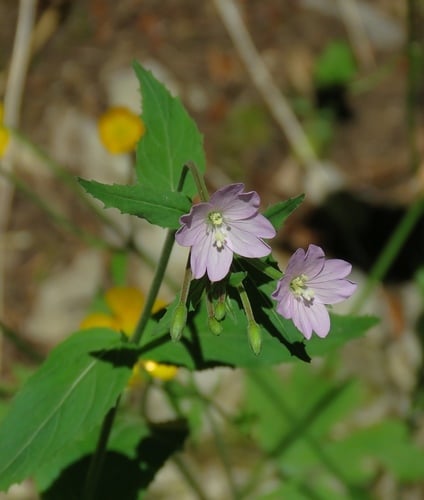
iNaturalist· cc-by-nc
(c) Геннадий Чугунов, some rights reserved (CC BY-NC), uploaded by Геннадий Чугунов
Description
Oenothera glazioviana is a BIENNIAL growing to 1.5 m (5ft). See above for USDA hardiness. It is hardy to UK zone 3 and is not frost tender. It is in flower from July to October, and the seeds ripen from August to October. The species is hermaphrodite (has both male and female organs) and is pollinated by Lepidoptera (Moths & Butterflies), bees. The plant is self-fertile. It is noted for attracting wildlife. Suitable for: light (sandy) and medium (loamy) soils and prefers well-drained soil. Suitable pH: mildly acid, neutral and basic (mildly alkaline) soils. It cannot grow in the shade. It prefers dry or moist soil.
Edible Uses
Oil. Root - cooked. Boiled and eaten like salsify. Fleshy and succulent. Young shoots - raw or cooked. Mild and inoffensive Seed contains 28% of a drying oil. It is edible and a very good source of gammalinolenic acid, an essential fatty acid that is not found in many plant sources and has numerous vital functions in the body. Difficult to harvest, it has to be done by hand.
Medicinal Uses
Anticholesterolemic Astringent Hypotensive Miscellany Sedative. The oil in the seeds is anticholesterolemic, astringent, hypotensive, sedative. Reduces cholesterol levels. Research suggests that the oil is potentially very valuable in the treatment of multiple sclerosis, pre-menstrual tension, hyperactivity etc.
Distribution
A hybrid of garden origin, probably O. grandiflora x O. elata.
Where It Grows
Coming Soon
Cultivation
Prefers a dryish well-drained sandy loam and full sun. Heavy clay soils may induce winter rots. Succeeds on poor soils. The flowers open in the evening, they are richly scented and are very attractive to moths. The seeds are a good food source for birds, especially finches. The plants of this species are of hybrid origin and usually mutate freely. Usually self-sows freely if in a suitable position.
Propagation
Seed - sow in situ from late spring to early summer.
Other Uses
Miscellany Oil. None known