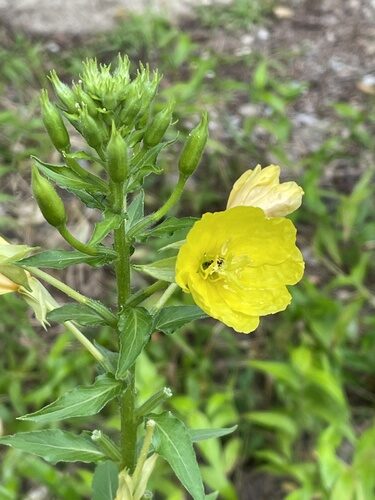
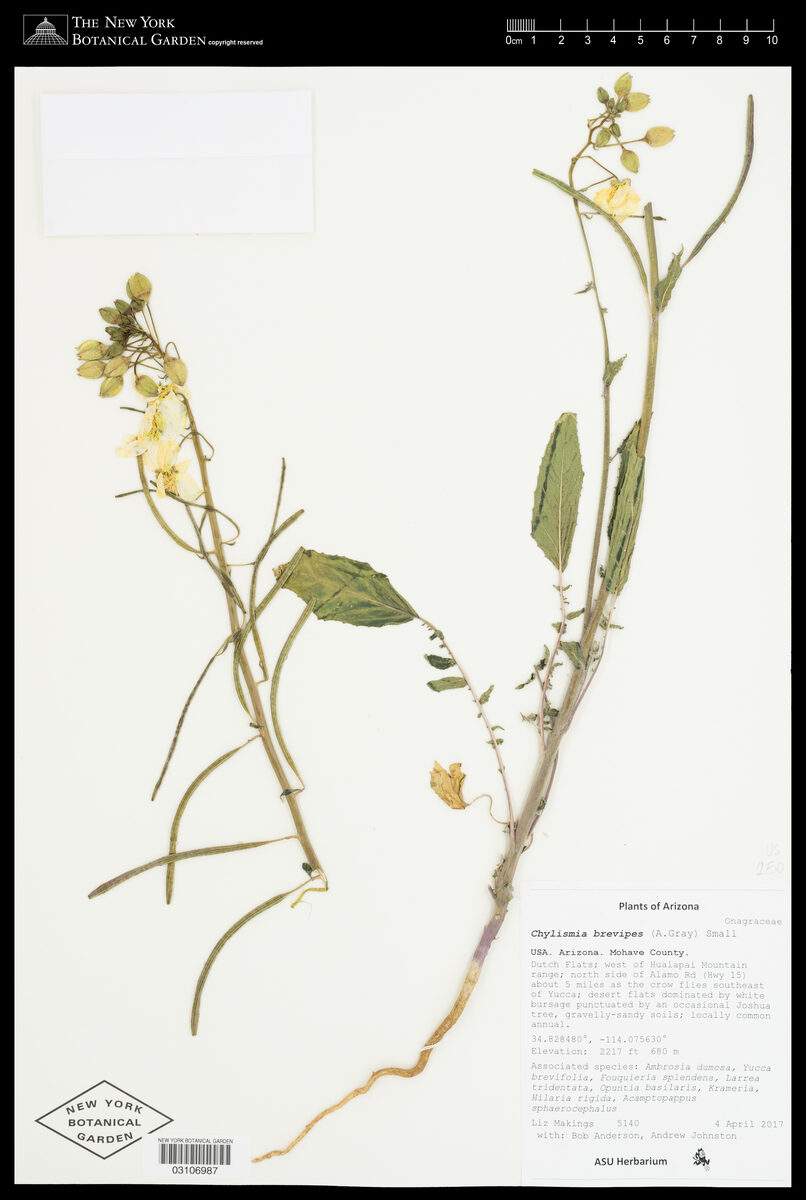
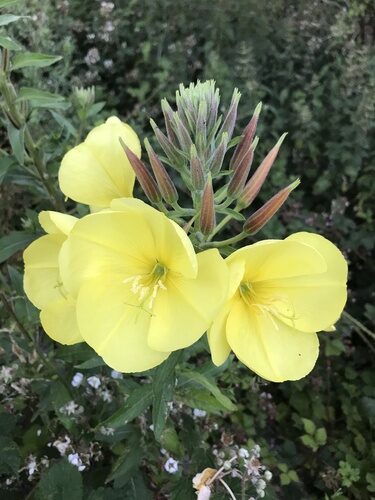
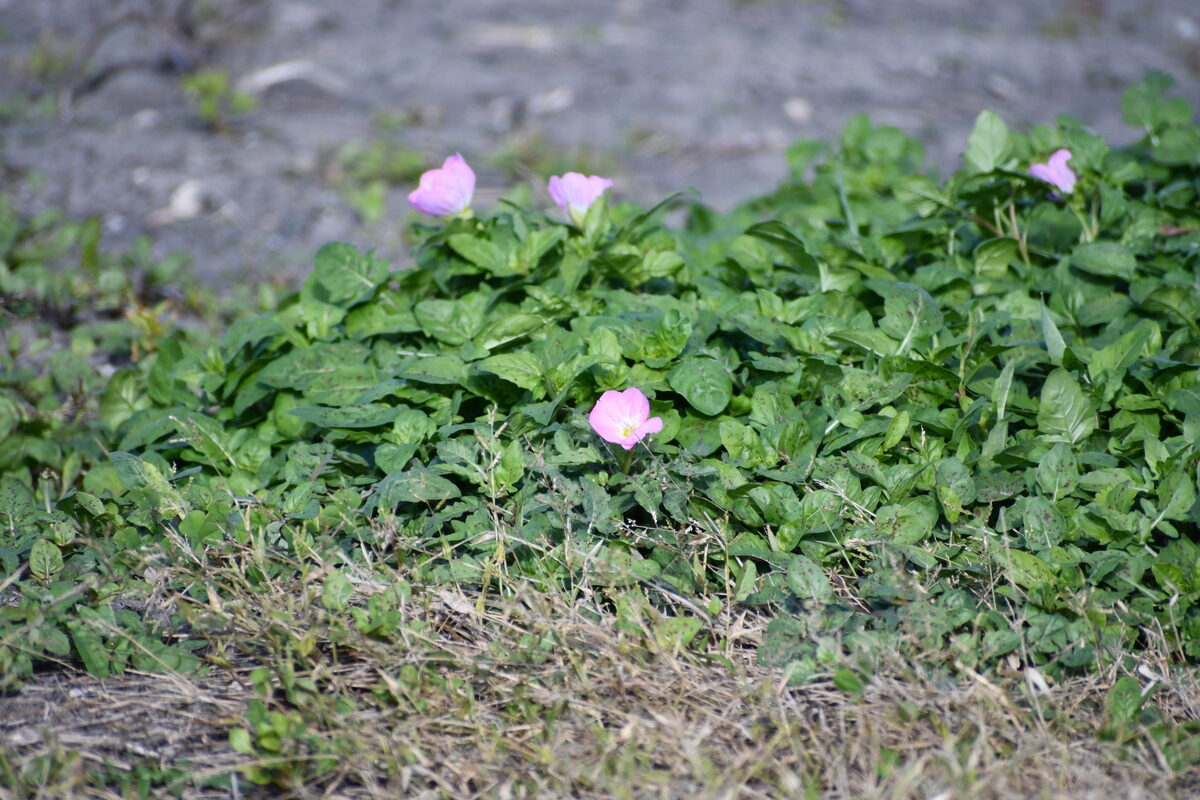
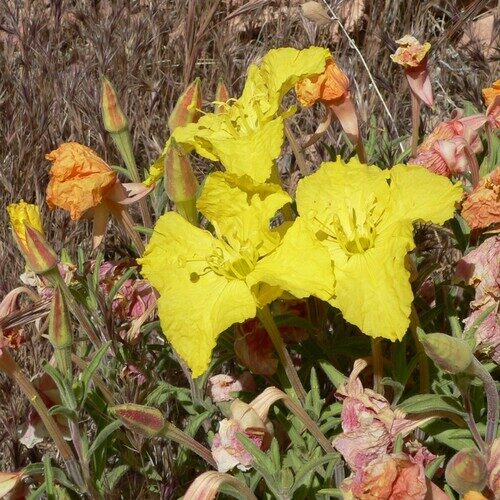
Oenothera elata hookeri - (Torr.&A.Gray.)W. Dietr.&W.L.Wagner.
(Torr.&A.Gray.)W. Dietr.&W.L.Wagner.
Hooker's Evening Primrose
gbif· cc-by-nc
leilafox
gbif· cc-by-nc
leilafox
gbif· cc-by-nc
leilafox
Description
Oenothera elata hookeri is a BIENNIAL/PERENNIAL growing to 0.8 m (2ft 7in). See above for USDA hardiness. It is hardy to UK zone 7. It is in flower from July to October, and the seeds ripen from August to October. The species is hermaphrodite (has both male and female organs) and is pollinated by Lepidoptera (Moths & Butterflies), bees. The plant is self-fertile. It is noted for attracting wildlife. Suitable for: light (sandy) and medium (loamy) soils and prefers well-drained soil. Suitable pH: mildly acid, neutral and basic (mildly alkaline) soils. It cannot grow in the shade. It prefers dry or moist soil.
Edible Uses
Root - cooked. Boiled and eaten like parsnip. Young shoots - raw or cooked. Added to salads or boiled as a potherb. They are usually blanched before use. A mucilaginous texture. The young pod-like fruits can be eaten when cooked.
Medicinal Uses
Poultice. The plant has been used in the treatment of colds. A poultice of the roots or the leaves has been used in the treatment of sores and swellings.
Distribution
North-western N. America.
Where It Grows
Coming Soon
Cultivation
Prefers a dryish well-drained sandy loam and full sun. Heavy clay soils may induce winter rots. Succeeds on poor soils. The flowers open in the evening, they are richly scented and are very attractive to moths. The seeds are a good food source for birds, especially finches. Plants usually mutate freely. This species is very closely related to, and perhaps no more than a part of, O. biennis. In garden design, as well as the above-ground architecture of a plant, root structure considerations help in choosing plants that work together for their optimal soil requirements including nutrients and water. Thick or swollen - fibrous or tap root.
Propagation
Seed - sow in situ from late spring to early summer.