Viola canescens
Wall. ex Roxb.
Himalayan white violet
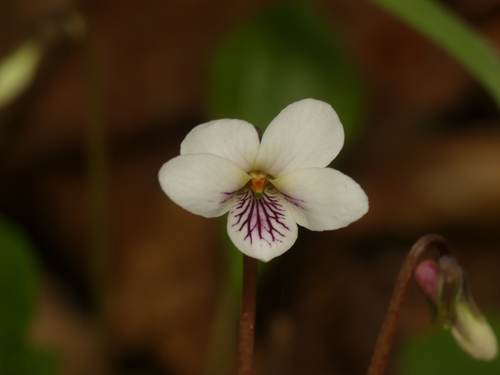
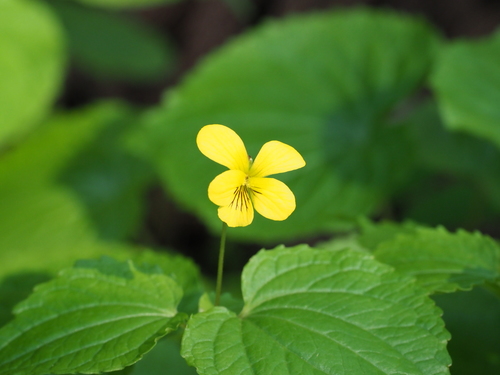
iNaturalist· cc-by-nc
(c) kulugal, some rights reserved (CC BY-NC)
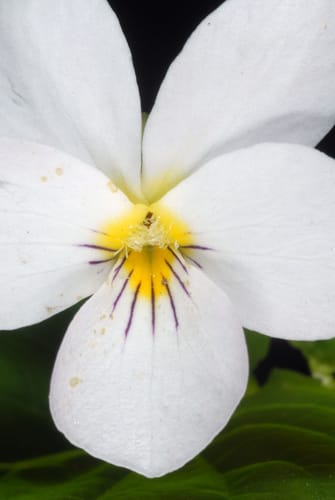
iNaturalist· cc-by-nc
(c) Azan Khan, some rights reserved (CC BY-NC)
Description
A herb. It keeps growing from year to year. It has soft hairs. It lies along the ground. It has long branched roots. It has leaves near the base. They are oval to kidney shaped. There are round teeth along the edge. The flowers can be blue, lilac or white. They are on an erect hairy stalk. The fruit capsule is round and has many seeds.
Edible Uses
The leaves are boiled for 30 minutes, dried for 3 days, and used as a substitute for tea.
Traditional Uses
The leaves are boiled for 30minutes then dried for 3 days and used as a substitute for tea.
This uses section is brief — help expand it
Distribution
It is a subtropical plant. It grows in shady moist places. It grows between 2000-3500 m altitude in the hills in Uttar Pradesh.
Where It Grows
Asia, Bhutan, Himalayas, India, Nepal, Pakistan,
Notes
The flowers are used in medicine.
Synonyms
Also Known As
Banafsha, Banaksha, Banfasa, Dundibirali, Ghatteghaans, Gugluphul, Ratmundi, Savar, Skoramindoq, Thunglu, Vanfsa
References (4)
- Ambasta, S.P. (Ed.), 2000, The Useful Plants of India. CSIR India. p 679
- Fl. ind. 2:450. 1824
- Khan, W., et al, 2013, Ethnomedicinal plants of Kakul Hills, District Abbottabad, KPK, Pakistan.
- Negi, K.S., 1988, Some little known wild edible plants of U.P. Hills. J. Econ. Tax. Bot. Vol. 12 No. 2 pp 345-360