Carex cruciata
Wahlenb.
Sodomplapa
iNaturalist· cc-by-nc
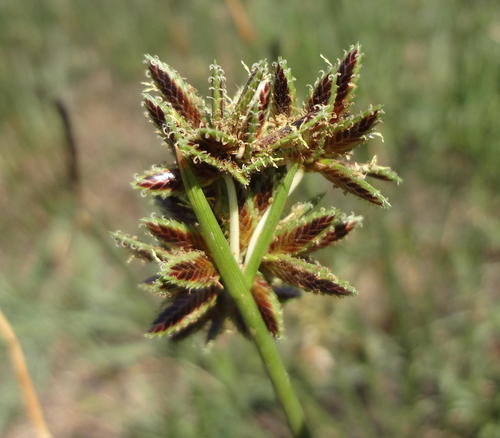
(c) 博甫, some rights reserved (CC BY-NC), uploaded by 博甫
iNaturalist· cc-by-nc
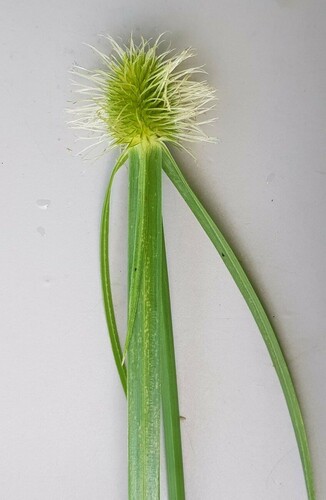
(c) 大甘, some rights reserved (CC BY-NC), uploaded by 大甘
iNaturalist· cc-by-nc
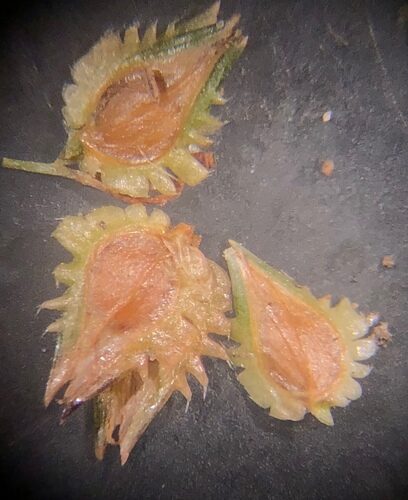
(c) Joyce Tu, some rights reserved (CC BY-NC), uploaded by Joyce Tu
Description
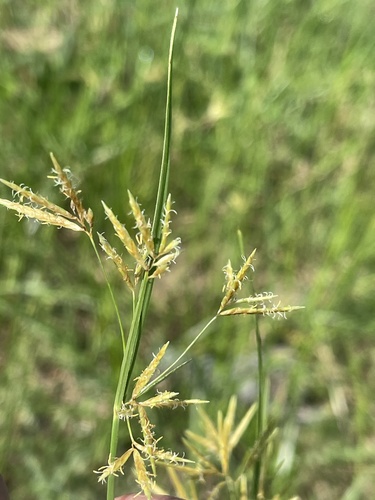
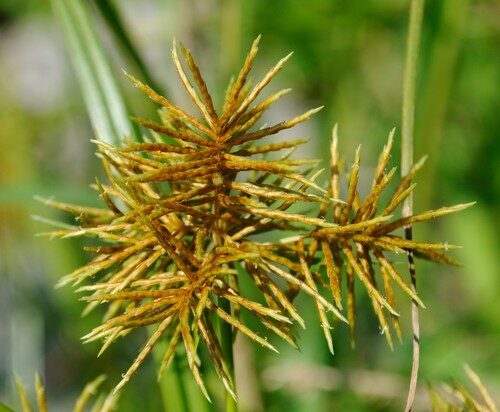
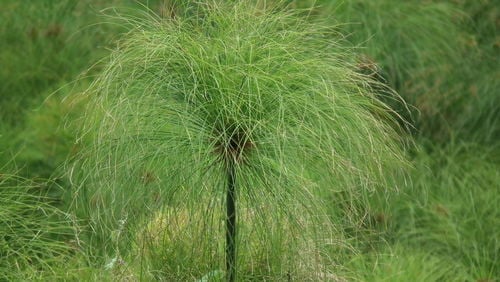
A sedge. These grow in clumps and have grass like leaves and solid stalks. It grows 40-90 cm high. It has a long woody rhizome or underground stem. The stem is 1.5-2.5 mm wide. It is triangle shaped and smooth. The flowering head is 20-40 cm long.
Edible Uses
The tender stem is eaten.
Traditional Uses
The tender stem is eaten.
This uses section is brief — help expand it
Distribution
It is a subtropical plant. In southern China it grows on the edges of forests and in grasslands between 300-2,500 m above sea level.
Where It Grows
Africa, Asia, Bhutan, China, East Africa, Himalayas, India, Indochina, Indonesia, Japan, Laos, Madagascar, Myanmar, Nepal, Northeastern India, Pakistan, SE Asia, Taiwan, Thailand, Vietnam,
Notes
There are about 2000 Carex species. There are 200 species in tropical America.
Also Known As
Basar
References (4)
- Flora of Pakistan. www.eFloras.org
- Kongl. Vetensk. Acad. Nya Handl. 24:149. 1803
- Srivastava, R. C., 2010, Traditional knowledge of Nyishi (Daffla) tribe of Arunachal Pradesh. Indian Journal of Traditional Knowledge. 9(1):26-37
- Thothathri, K., & Pal, G.D., 1987, Further Contribution to the Ethnobotany of Subansiri District, Aranchal Pradesh. J. Econ. Tax. Bot. Vol. 10 No. 1 pp 149-157