Allium platyspathum
Schrenk
Kamar
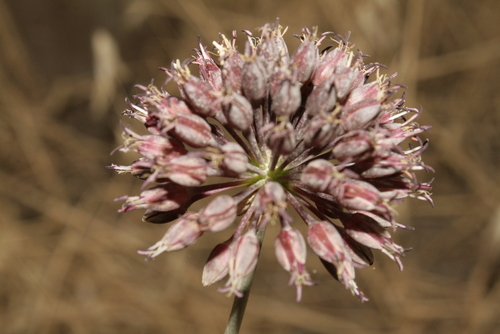
iNaturalist· cc-by-nc
(c) Aleksandr Naumenko, some rights reserved (CC BY-NC), uploaded by Aleksandr Naumenko
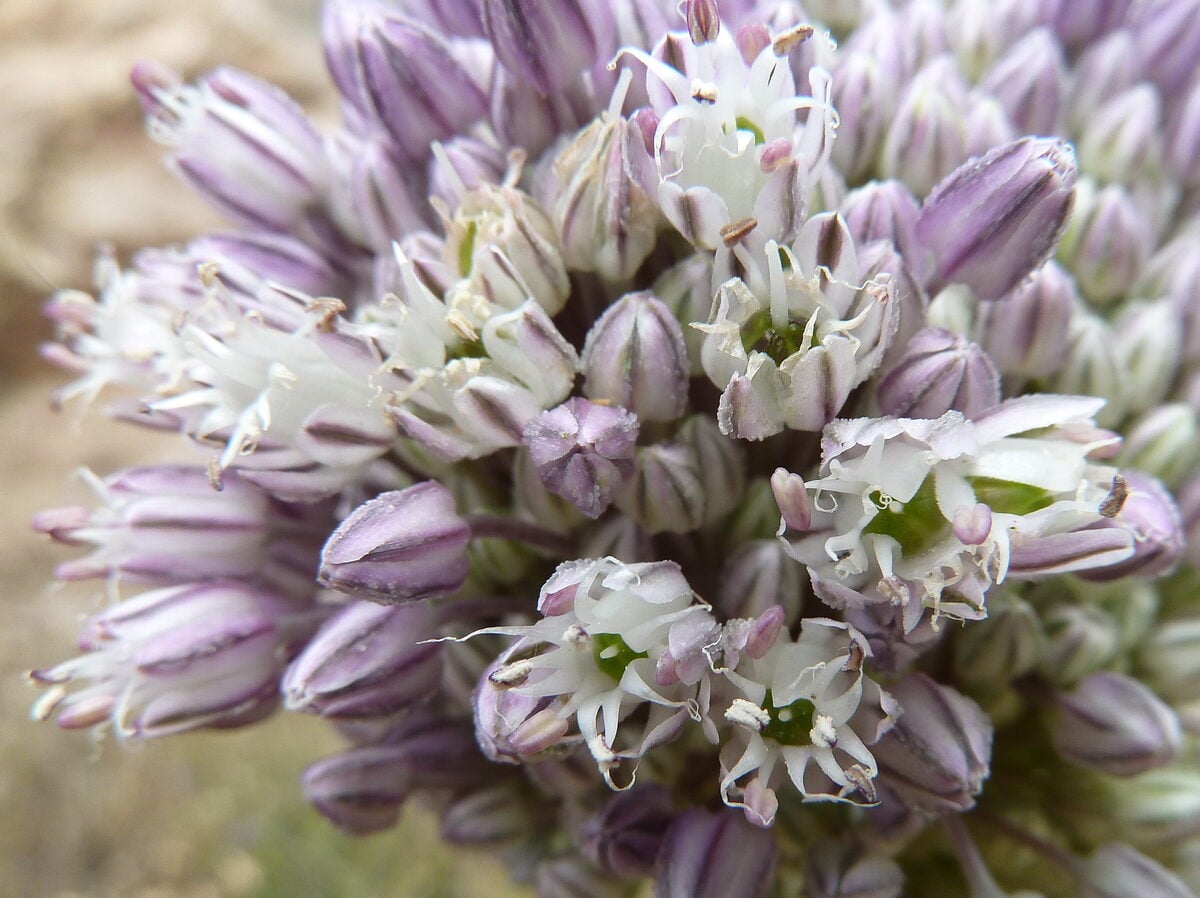
iNaturalist· cc-by-nc
(c) Aleksandr Naumenko, some rights reserved (CC BY-NC), uploaded by Aleksandr Naumenko
iNaturalist· cc-by-nc
(c) Aleksandr Naumenko, some rights reserved (CC BY-NC), uploaded by Aleksandr Naumenko
Summary
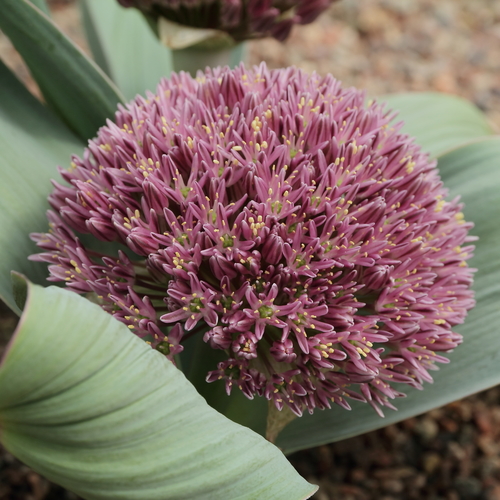
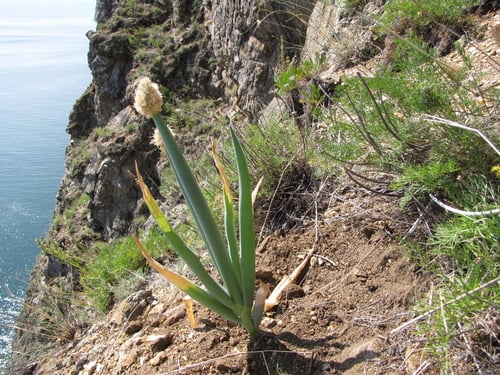
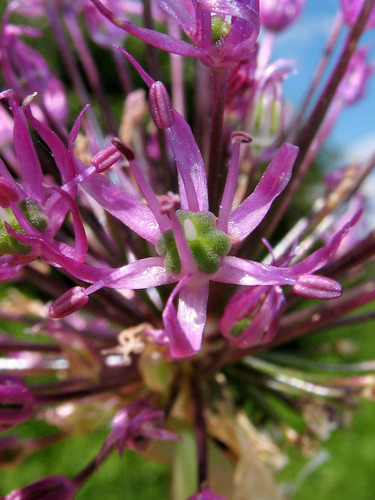
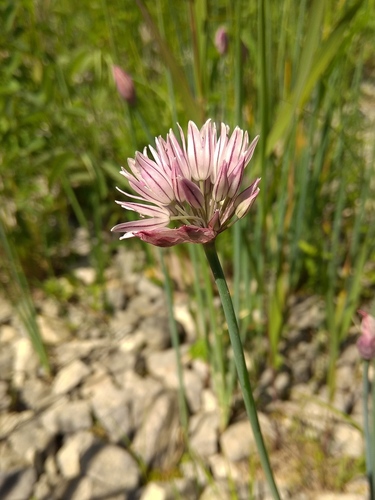
Source: WikipediaAllium platyspathum is an Asian species of wild onion. It has been reported from Xinjiang, Afghanistan, Kazakhstan, Kyrgyzstan, Mongolia, Altay Krai, Tajikistan, Uzbekistan, and Pakistan. It grows in damp locations at elevations of 1900–3700 m. Allium platyspathum usually produces a single egg-shaped bulb up to 20 mm in diameter. Scape is up to 100 cm tall. Leaves are flat, linear, up to 20 mm across, about the same length as the scape. Umbel is a densely packed cluster of pink or lilac flowers. Varieties Allium platyspathum subsp. amblyophyllum (Kar. & Kir.) N.Friesen -- scape 40–100 cm long, flowers pink; leaves 10–20 mm wide - Xinjiang, Afghanistan, Kazakhstan, Kyrgyzstan, Mongolia, Altay Krai Allium platyspathum subsp. platyspathum—scape up to 25 cm long; flowers lilac, leaves less than 8 mm wide - Xinjiang, Afghanistan, Kazakhstan, Kyrgyzstan, Mongolia, Altay Krai, Tajikistan, Uzbekistan, Pakistan formerly included Allium platyspathum var. falcatum Regel, now called Allium carolinianum Redouté
Description
An onion family plant. It usually has one bulb. It is 1-2 cm across. The leaves are 2-17 mm wide and flat. The stalk is 10-60 cm long.
This description is brief — help expand it
Edible Uses
The bulbs and fresh leaves are used as a substitute for onion.
Traditional Uses
The bulbs and fresh leaves are used in place of onion.
This uses section is brief — help expand it
Distribution
It is a temperate plant. It grows on alpine meadows and stony slopes as well as along river banks between 1,900-3,700 m above sea level in western China.
Where It Grows
Afghanistan, Asia, Central Asia, China, Himalayas, India, Kazakhstan, Kyrgyzstan, Mongolia, Russia, Tajikistan, Uzbekistan,
Notes
There are about 300-700 Allium species. Most species of Allium are edible (Flora of China). All alliums are edible but they may not all be worth eating! They have also been put in the family Alliaceae.
Synonyms
References (3)
- Enumeratio plantarum novarum 1:7. 1841
- Kaul, M.K. et al, 1985, Ethno-botanic studies in North-West and Trans-Himalaya - contribution to the wild food plants of Ladakh. J.Econo. Tax. Bot. Vol. 6 No. 3 pp 523-527
- Urgamal, M., et al, 2014, Conspectus of the Vascular Plants of Mongolia. Mongolia Academy of Sciences Institute of Botany and National University of Mongolia Department of Biology. p 47