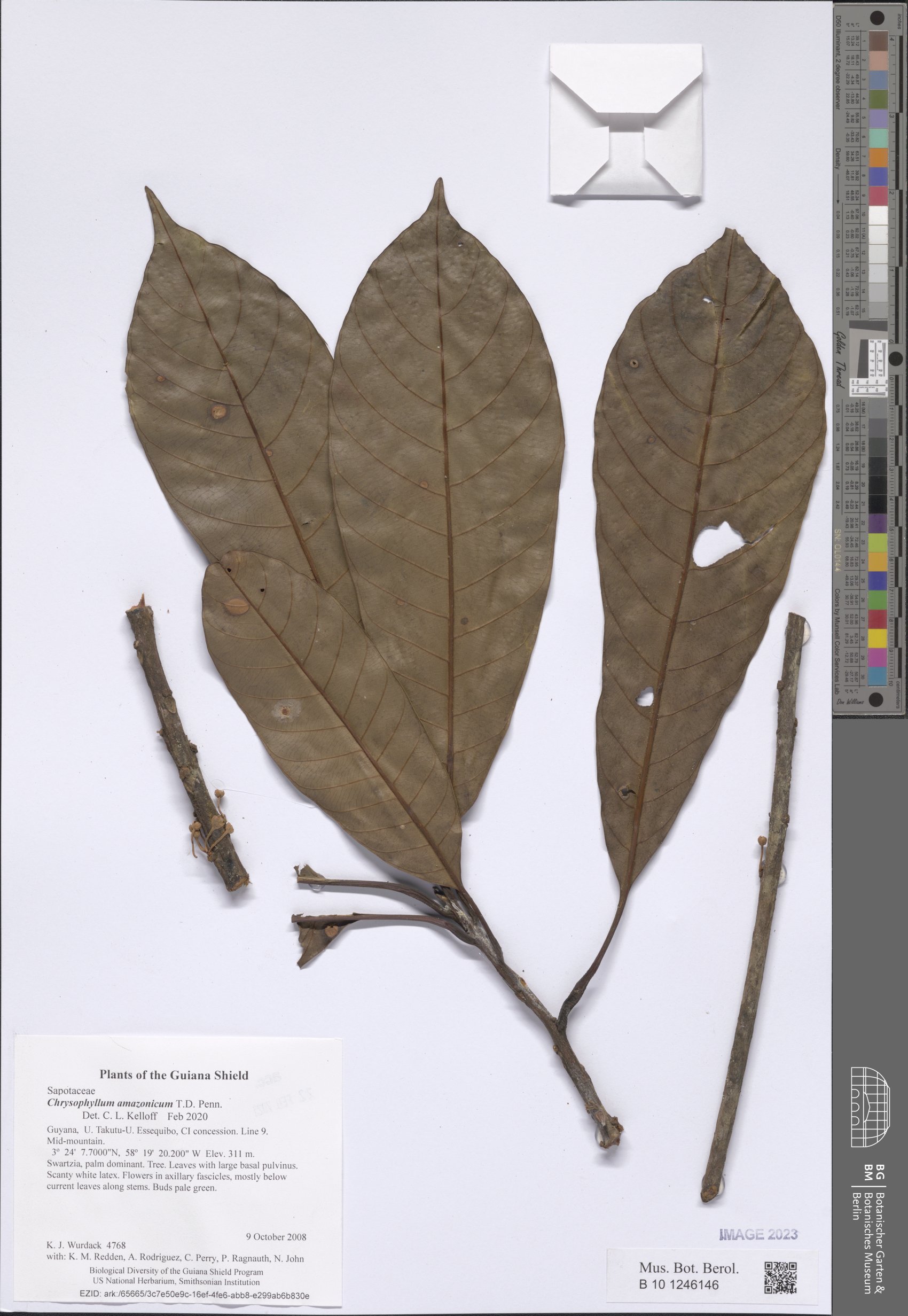
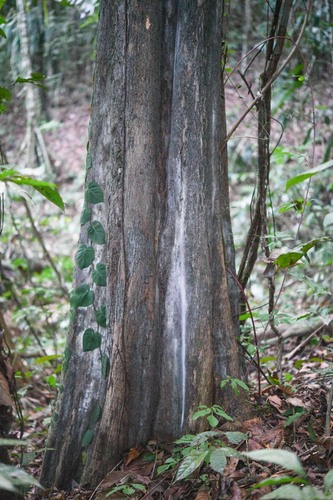
Madhuca neriifolia
(Moon) H. J. Lam.
iNaturalist· cc-by-sa
(c) Rohit, some rights reserved (CC BY-SA), uploaded by Rohit
Description
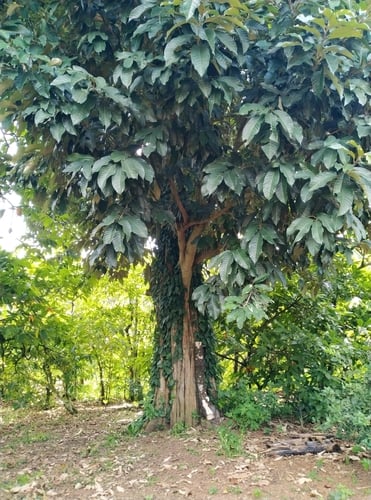
A tree. It grows 10 m tall. The leaves are narrowly oval and 24 cm long by 6 cm wide. They are crowded at the ends of branches. The flowers are in groups in the axils of leaves near the ends of branches. They are yellowish-white. The fruit is an elongated berry 3 cm long.
Edible Uses
The ripe fruit are eaten, and the flowers are also edible.
Traditional Uses
The ripe fruit are eaten.
This uses section is brief — help expand it
Medicinal Uses
The fruits are used in the treatment of rheumatism, biliousness, consumption, asthma and worms. The oil from the seeds is used in the treatment of rheumatism. The flowers are soaked in water and used to treat kidney complaints.
Distribution
A tropical plant. It grows in evergreen forests. It is often along streams and grows up to 1,200 m above sea level.
Where It Grows
Asia, India, Sri Lanka,
Other Uses
An oil is obtained from the seed. It is used as a hair dressing to improve the hair. The dark red wood is hard.
Production
In southern India plants fruit in January to March.
Also Known As
Illuppa, Naanilu, Wallangi
References (3)
- Ramachandran, V.S. and Nair, V.J., 1981, Ethnobotanical studies in Cannanore District, Kerala State (India). J Econ. Tax. Bot. Vol 2 pp 65-72
- Ravikrishna, S., 2011, Ethno-medico-botanical survey on Wild Edible fruits of Udupi Taluq, Udupi p 83
- World Checklist of Useful Plant Species 2020. Royal Botanic Gardens, Kew