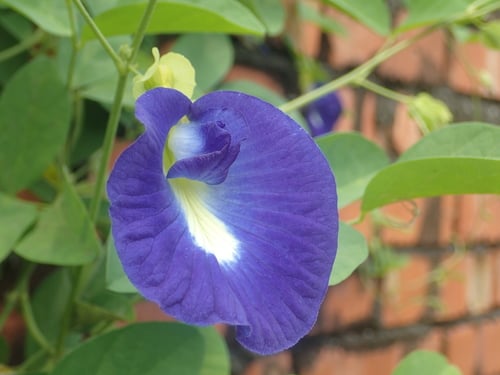
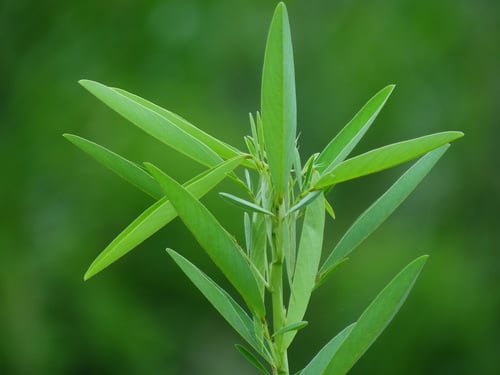
Tadehagi triquetrum
(L.) H. Ohashi
iNaturalist· cc-by-nc
(c) Cây làm thuốc, some rights reserved (CC BY-NC), uploaded by Cây làm thuốc
iNaturalist· cc-by-nc
(c) 羅元甫, some rights reserved (CC BY-NC)
iNaturalist· cc-by-nc
(c) 羅元甫, some rights reserved (CC BY-NC)
Summary
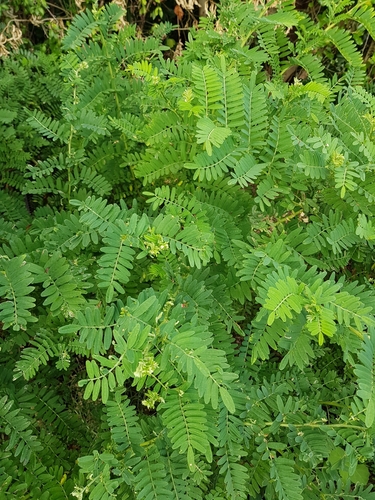
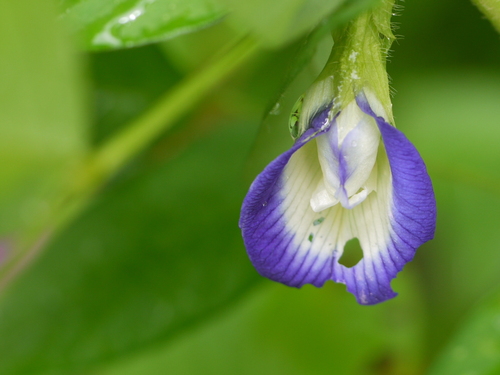
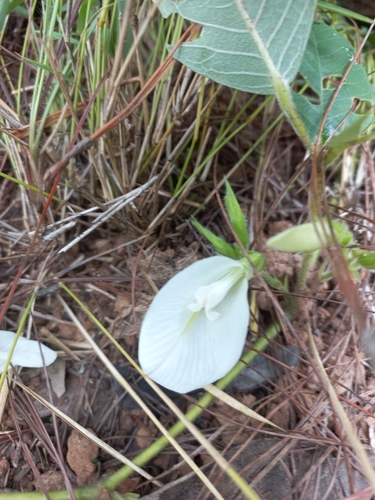
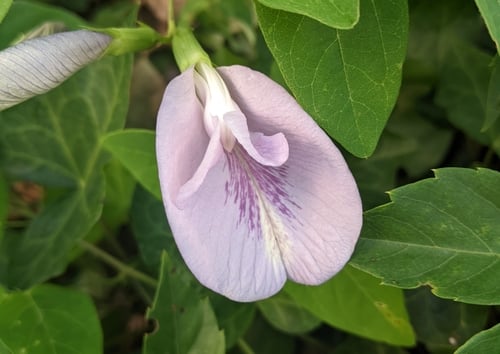
Source: WikipediaTadehagi triquetrum is a species of flowering plant in the family Fabaceae. It belongs to the subfamily Faboideae. The species has two subspecies with the nominate one, but sometimes they given full species status by some authors. The maximum height of this shrub tree is 3m. Leaves alternate, linear-oblong, ovate with a tapering tip. Flowers show raceme inflorescence type, which are small, pale purplish in color. The fruit is a hairy legume. It is widespread in all South Asian, East Asian, and Southeast Asian countries.
Description
A slightly woody plant. It is a small shrub 3-2 m long. The branches have 3 corners. The leaves have 1 leaflet. The leaves are 6-13 cm long by 1-3.5 cm wide. They are hairy underneath. The flowers are purple to pink. The pod is 3-5 cm long by 1.5 cm wide. They are hairy.
Edible Uses
The tuberous roots are chewed in place of betel nut. Dried leaves are used to prepare a tea-like drink.
Traditional Uses
The tuberous root is chewed in place of betel nut. The dried leaves are used for a tea like drink.
This uses section is brief — help expand it
Medicinal Uses
The plant is used in medicine.
Distribution
A tropical plant. In Assam it grows up to 1,300 m above sea level. In XTBG Yunnan.
Where It Grows
Asia, Bangladesh, Bhutan, Cambodia, China, Himalayas, India, Indochina, Indonesia, Japan, Laos, Malaysia, Myanmar, Nepal, Northeastern India, Pacific, Philippines, Ryukyu, SE Asia, Sikkim, Sri Lanka, Taiwan, Thailand, Vietnam,
Cultivation
Plants can be found in a large range of soils in the wild, ranging from sands to heavy clays. The plant can flower almost all year round. This species has a symbiotic relationship with certain soil bacteria; these bacteria form nodules on the roots and fix atmospheric nitrogen. Some of this nitrogen is utilized by the growing plant but some can also be used by other plants growing nearby.
Other Uses
The plant is used as an insecticide.
Other Information
It is sold in local markets in China.
Notes
It is used in medicine.
Synonyms
Also Known As
Adakkachokki, Adkhapanal, Chenchen, Chochor bebek, Daun duduk, Ettang, Genteng changkeng, Gerji, Gulu walang, Jin hu lu, Kakganga, Ki chongchorang, Lauk-thay, Moko-lanma, Potong kujang, Qian ka a bo, Shwe-gu-than-hlet, Sosor bebek, Thagya-hlandin, Ulucha
References (11)
- Aiguo, C. & Zhiling, D., 2001, Managing Agricultural Resources for Biodiversity Conservation. Case Study Yunnan, Southwest China. Environment Liaison Center International. p 40
- Ambasta, S.P. (Ed.), 2000, The Useful Plants of India. CSIR India. p 168 (As Desmodium triquetrum)
- Burkill, I.H., 1966, A Dictionary of the Economic Products of the Malay Peninsula. Ministry of Agriculture and Cooperatives, Kuala Lumpur, Malaysia. Vol 1 (A-H) p 807 (As Desmodium triquetrum)
- Li, D. et al, 2017, Ethnobotanical survey of herbal tea plants from the traditional markets in Chaoshan, China. Journal of Ethnopharmacology. 205 (2017) 195-206
- Luo, B., et al, 2019, Wild edible plants collected by Hani from terraced rice paddy agroecosystem in Honghe Prefecture, Yunnan, China. Journal of Ethnobiology and Ethnomedicine 15:56
Show all 11 references Hide references
- Patiri, B. & Borah, A., 2007, Wild Edible Plants of Assam. Geethaki Publishers. p 38 (As Desmodium triquetrum)
- Pegu, R., et al, 2013, Ethnobotanical study of Wild Edible Plants in Poba Reserved Forest, Assam, India. Research Journal of Agriculture and Forestry Sciences 1(3):1-10 (As Desmodium triquetrum)
- Prodr. 2:326. 1825 (As Desmodium triquetrum)
- Ramachandran, V.S. and Nair, V.J., 1981, Ethnobotanical studies in Cannanore District, Kerala State (India). J Econ. Tax. Bot. Vol 2 pp 65-72 (As Desmodium triquetrum)
- Sarma, H., et al, 2010, Updated Estimates of Wild Edible and Threatened Plants of Assam: A Meta-analysis. International Journal of Botany 6(4): 414-423 (As Desmodium triquetrum)
- Wild edible plants of Himachal Pradesh (As Desmodium triquetrum)