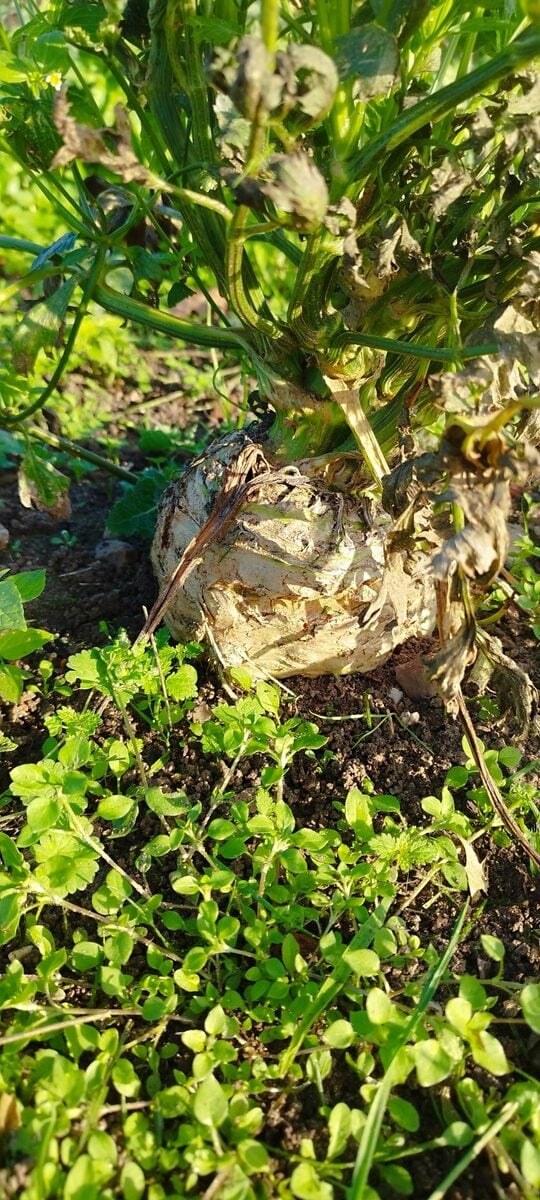
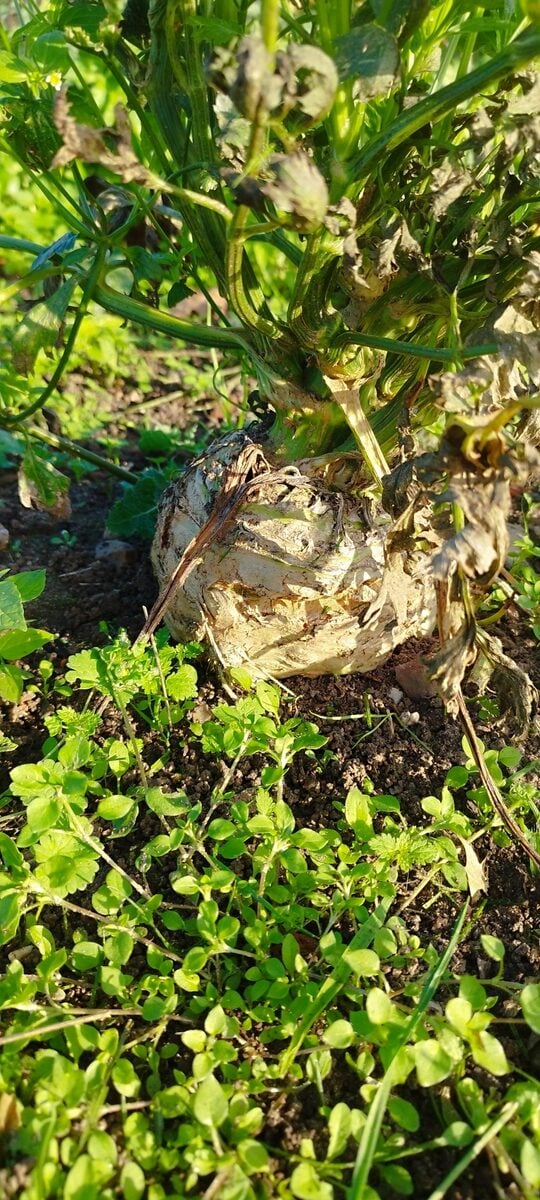
Apium nodiflorum
(L.) Lag.
Crescione, Creeping marshwort, Water parsnip
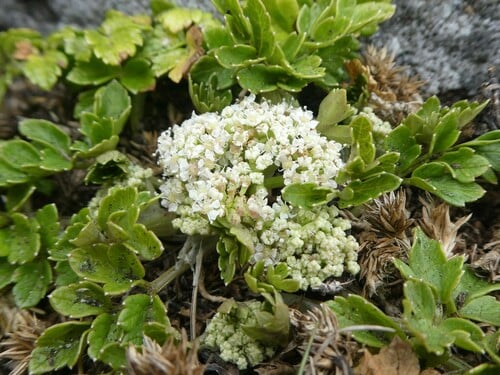
iNaturalist· cc-by-nc
(c) Konrad and Roland Greinwald, some rights reserved (CC BY-NC)
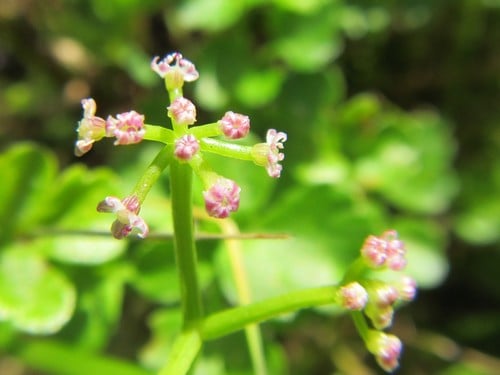
iNaturalist· cc-by-nc
(c) Konrad and Roland Greinwald, some rights reserved (CC BY-NC)
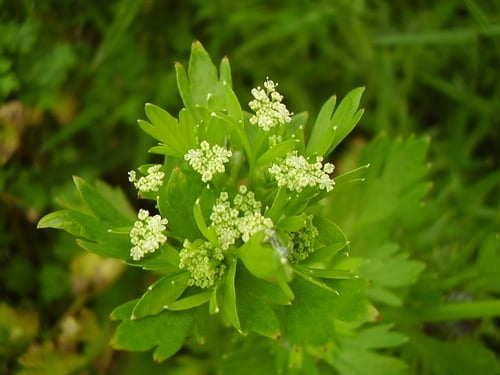
iNaturalist· cc-by
(c) bernhard_hiller, some rights reserved (CC BY)
Description
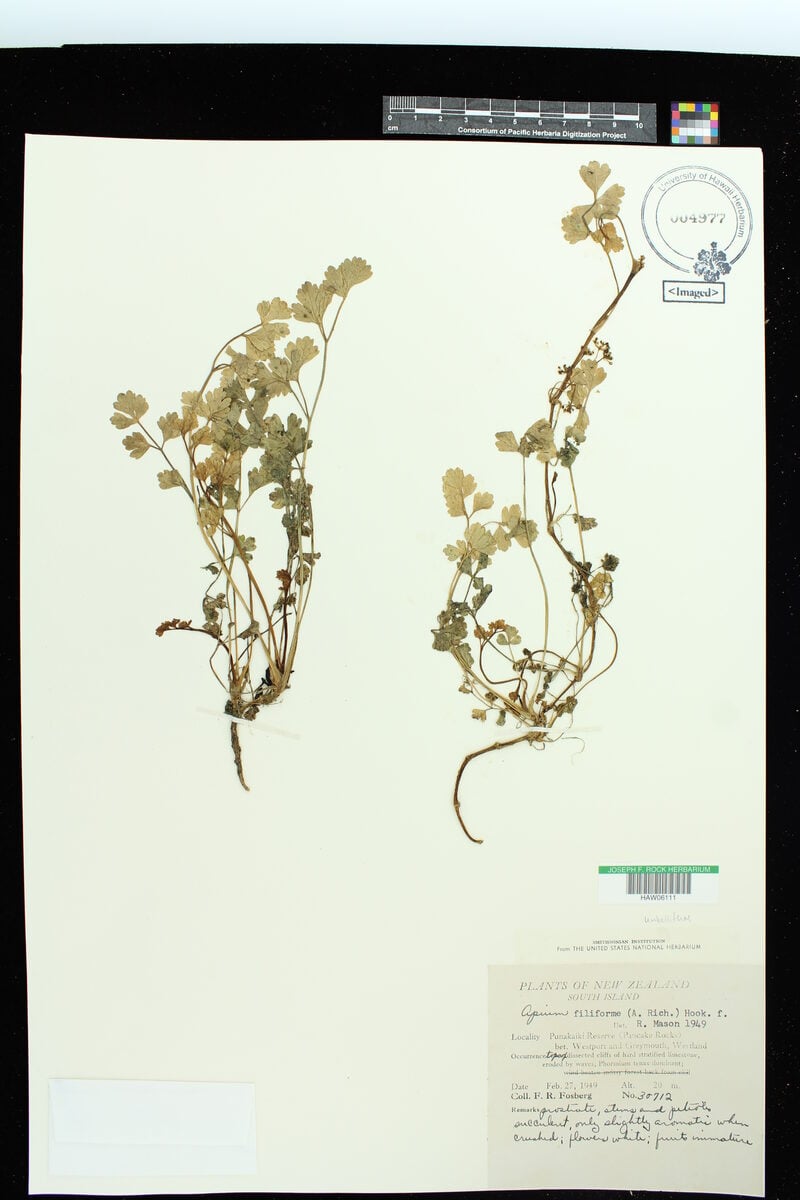
A stout hairless herb which takes 2 years to complete its life-cycle. The stems are hollow and lie along the ground. They form roots at the lower nodes. The leaf stalks and flower stems are upright. The leaves are alternate and light green. The leaves have oval leaflets with blunt teeth. The flowers are white and in the nodes of leaves. The seeds are oval
Edible Uses
Wild fool's watercress has been traditionally harvested and consumed in several Mediterranean countries, including Spain, Italy, Portugal and Morocco The edible young leaves and tender shoots can be used raw in salads, boiled, or used as a condiment in soups and other dishes.
Traditional Uses
The leaves are used raw in salads. They are also boiled and used in soups and stews. The seeds can be sprouted and eaten in salads. The seeds are also ground and used as a mustard. The young stem are eaten boiled, fried or raw in salads.
Distribution
It is a Mediterranean climate plant. It grows in wet meadows and near rivers. It is usually in chalk and limestone areas. It cannot grow in shade.
Where It Grows
Africa, Argentina, Britain, Chile, Cyprus, Europe, France, Greece, Ireland, Italy, Jordan, Lebanon, Libya, Luxembourg, Mediterranean, Middle East, Morocco, North Africa, Portugal, Sicily, South America, Spain, Turkey, Türkiye,
Notes
There are about 20 Apium species.
Synonyms
Also Known As
Accio selvagge, Api bord, Bendik, Berra, Berraza, Creixem, Crescione, Crisciuni, Kurrat al a'in, Pie-cress, Scavuni, Spelendro, Tatli gerdeme, Ziyata
References (26)
- Al-Qura'n, S. A., 2010, Ethnobotanical and Ecological Studies of Wild Edible Plants in Jordan. Libyan Agriculture Research Center Journal International 1(4):231-243
- Amen. nat. Espan. 1(2):101. 1821
- Biscotti, N. & Pieroni, A., 2015, The hidden Mediterranean diet: wild vegetables traditionally gathered and consumed in the Gargano area, Apulia, SE Italy. Acta Societatis Botanicorum Poloniae 84 (3): 327-338
- Biscotti, N. et al, 2018, The traditional food use of wild vegetables in Apulia (Italy) in the light of Italian ethnobotanical literature. Italian Botanist 5:1-24 (As Helosciadum nodiflorum)
- Blamey, M and Grey-Wilson, C., 2005, Wild flowers of the Mediterranean. A & C Black London. p 160
Show all 26 references Hide references
- Blanco-Salas, J., et al, 2019, Wild Plants Potentially Used in Human Food in the Protected Area “Sierra Grande de Hornachos” of Extremadura (Spain). Sustainability 2019, 11, 456
- Bonet, M. A. & Valles, J., 2002, Use of non-crop food vascular plants in Montseny biosphere reserve (Catalonia, Iberian Peninsula). International Journal of Food Sciences and Nutrition (2002) 53, 225–248
- Della, A., et al, 2006, An ethnobotanical survey of wild edible plants of Paphos and Larnaca countryside of Cyprus. J. Ethnobiol. Ethnomed. 2:34
- Dogan, A., et al, 2014, A review of edible plants on the Turkish Apiaceae species. J. Fac. Pharm. Istanbul, 44(2) pp 251-262
- Ertug, F, Yenen Bitkiler. Resimli Türkiye Florası -I- Flora of Turkey - Ethnobotany supplement
- Geraci, A., et al, 2018, The wild taxa utilized as vegetables in Sicily (Italy): a traditional component of the Mediterranean diet. Journal of Ethnobiology and Ethnomedicine (2018) 14:14
- Gonzalez, J. A., et al, 2011, The consumption of wild and semi-domesticated edible plants in the Arribes del Duero (Salamanca-Zamora, Spain): an analysis of traditional knowledge. Genetic. Resour Crop Evolution 58:991-1006
- Irving, M., 2009, The Forager Handbook, A Guide to the Edible Plants of Britain. Ebury Press p 116
- Licata, M., et al, 2016, A survey of wild plant species for food use in Sicily (Italy) – results of a 3-year study in four Regional Parks. Journal of Ethnobiology and Ethnomedicine 12:12
- Menendez-Baceta, G., et al, 2012, Wild edible plants traditionally gathered in Gorbeialdea (Biscay, Basque Country) Genetic Resources and Crop Evolution 59:1329-1347
- Molina, M. et al, 2014, Weeds and Food Diversity: Natural Yield Assessment and Future Alternatives for Traditionally Consumed Wild Vegetables. Journal of Ethnobiology 34(1): 44–67
- Nebel, S., Pieroni, A. & Heinrich, M., 2006, Ta cho`rta: Wild edible greens used in the Graecanic area in Calabria, Southern Italy. Appetite 47 (2006) 333–342
- Pardo-de-Santayana, M., et al, 2007, Traditional knowledge of wild edible plants used in the northwest of the Iberian Peninsula (Spain and Portugal): a comparative study. Journal of Ethnobiology and Ethnomedicine 2007, 3:27
- Pasta, S., et al, 2020, An Updated Checklist of the Sicilian Native Edible Plants: Preserving the Traditional Ecological Knowledge of Century-Old Agro-Pastoral Landscapes. Frontiers in Plant Science. Volume 11|Article 388 (As Helosciadium nodiflorum)
- Pieroni, A., 1999, Gathered wild food plants in the Upper Valley of the Serchio River (Garfagnana), Central Italy. Economic Botany 53(3) pp 327-341
- Rigat, M et al, 2009, Ethnobotany of Food Plants in the High River Ter Valley (Pyrenees, catalonia, Iberian Peninsula): Non-Crop Food Vascular Plants and Crop Food Plants with medicinal Properties. Ecology of Food and Nutrition, 48:303-327
- Rivera, C., et al, 2005, The Ethnobotanical Study of Local Mediterranean Food Plants as Medicinal Resources in Southern Spain. Journal of Physiologyand Pharmacology. 56, Suppl. 1, 97-114
- Sansanelli, S., et al, 2017, Ethnobotanical survey of wild food plants traditionally collected and consumed in the Middle Agri Valley (Basilicata region, southern Italy). Journal of Ethnobiology and Ethnomedicine (2017) 13:50
- Tardio, J., et al, 2006, Ethnobotanical review of wild edible plants in Spain. Botanical J. Linnean Soc. 152 (2006), 27-71
- Tukan, S. K., et al, 1998, The use of wild edible plants in the Jordanian diet. International Journal of Food Sciences and Nutrition. 49:225-235
- Wild Edible Plants in Lebanon. Promoting dietary diversity in poor communities in Lebanon. http://www.wildedibleplants.org/