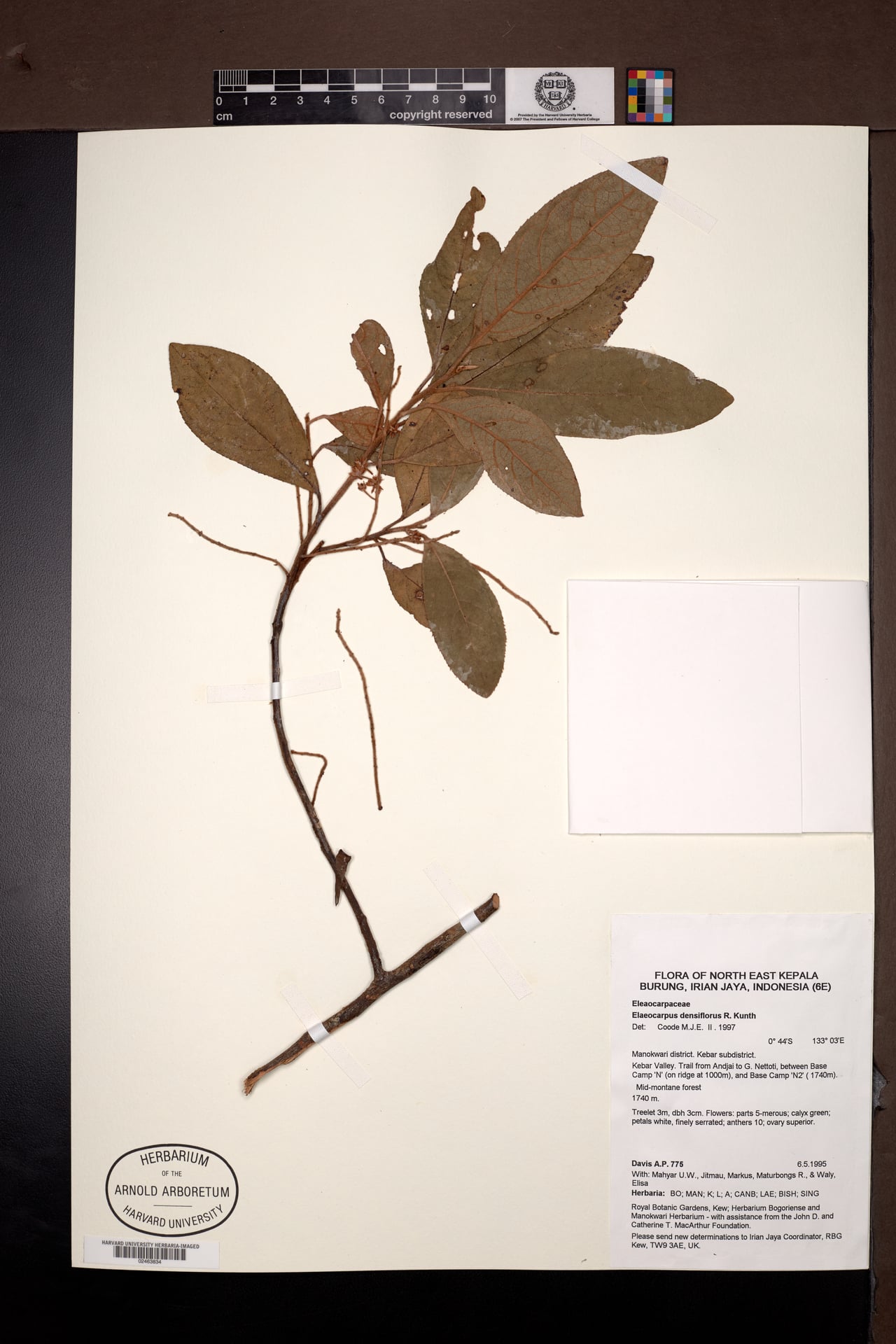
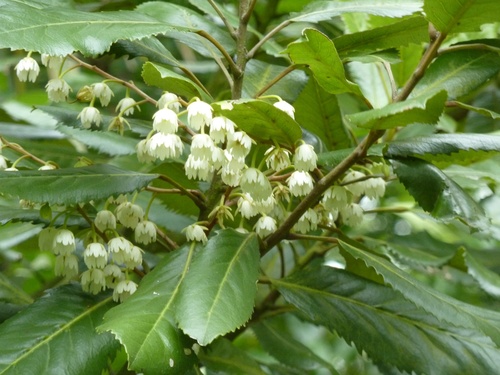
Elaeocarpus sikkimensis
Mast.
Ajiayuosa
No photos yet for Elaeocarpus sikkimensis
Sign in to contribute a photoDescription
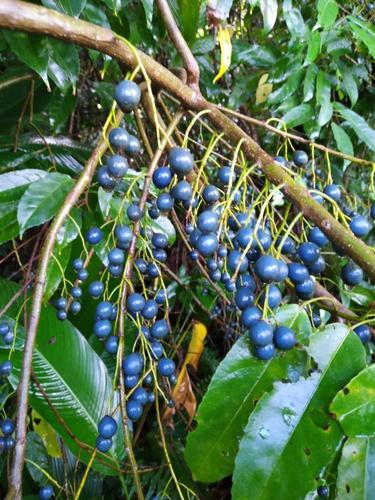
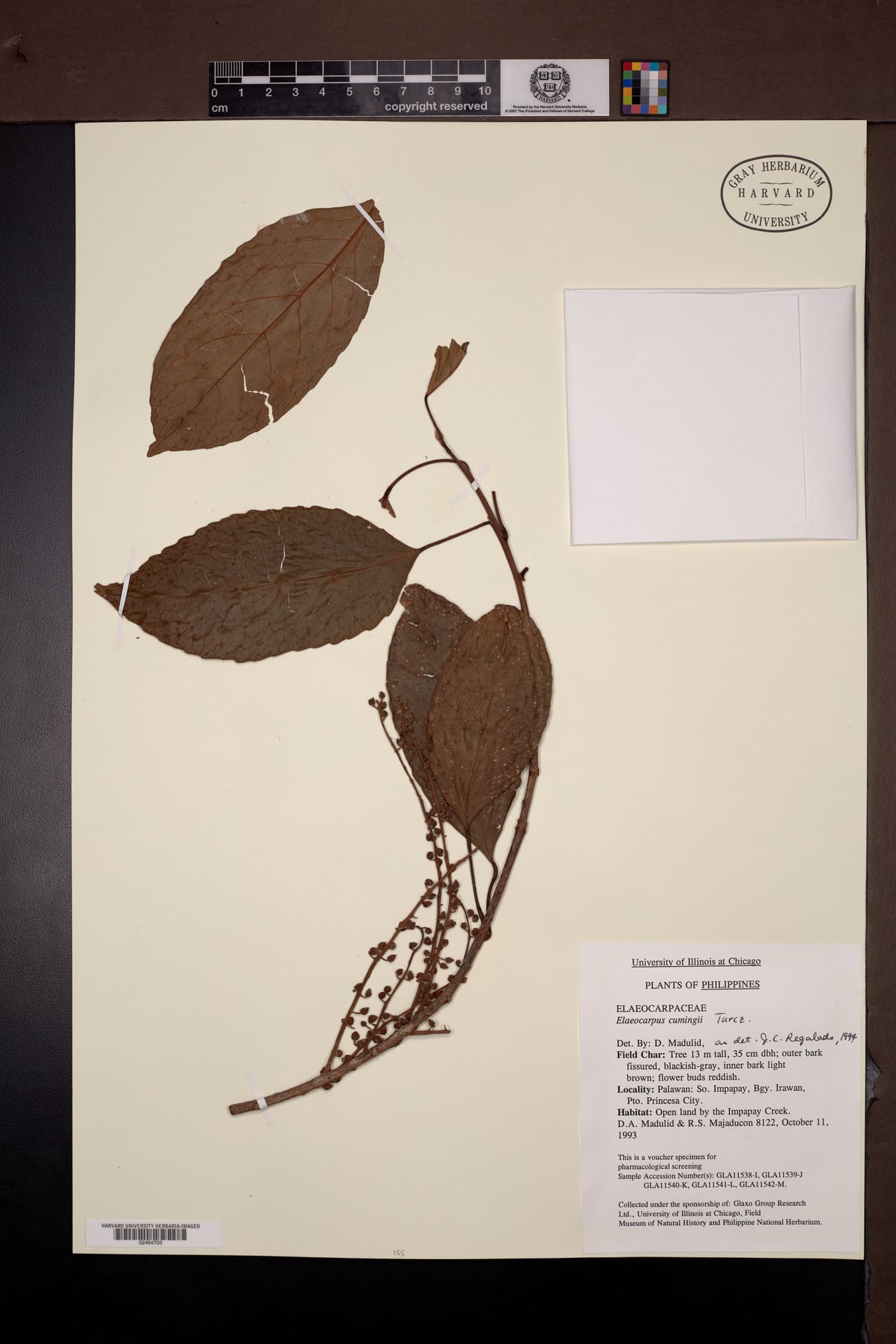
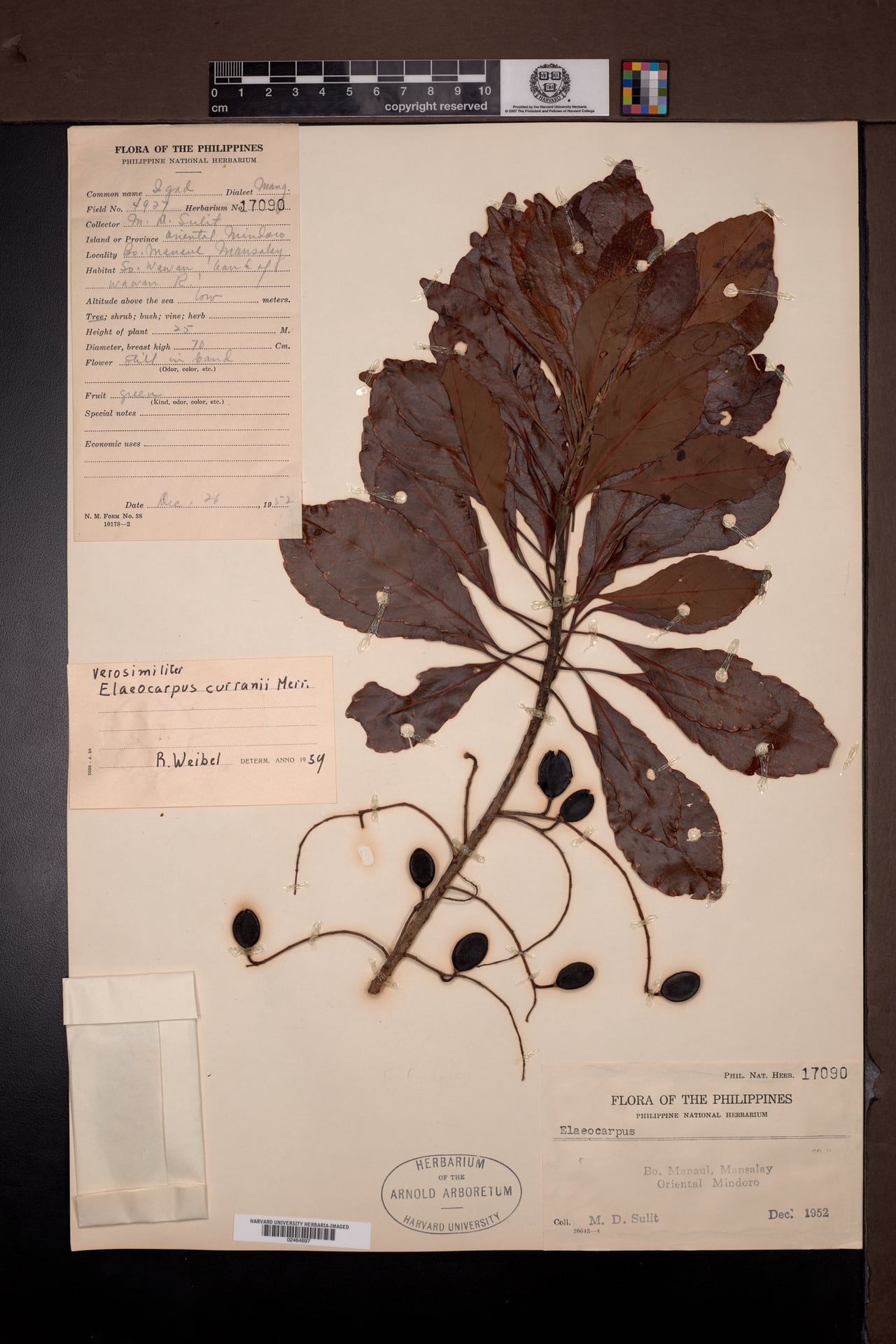
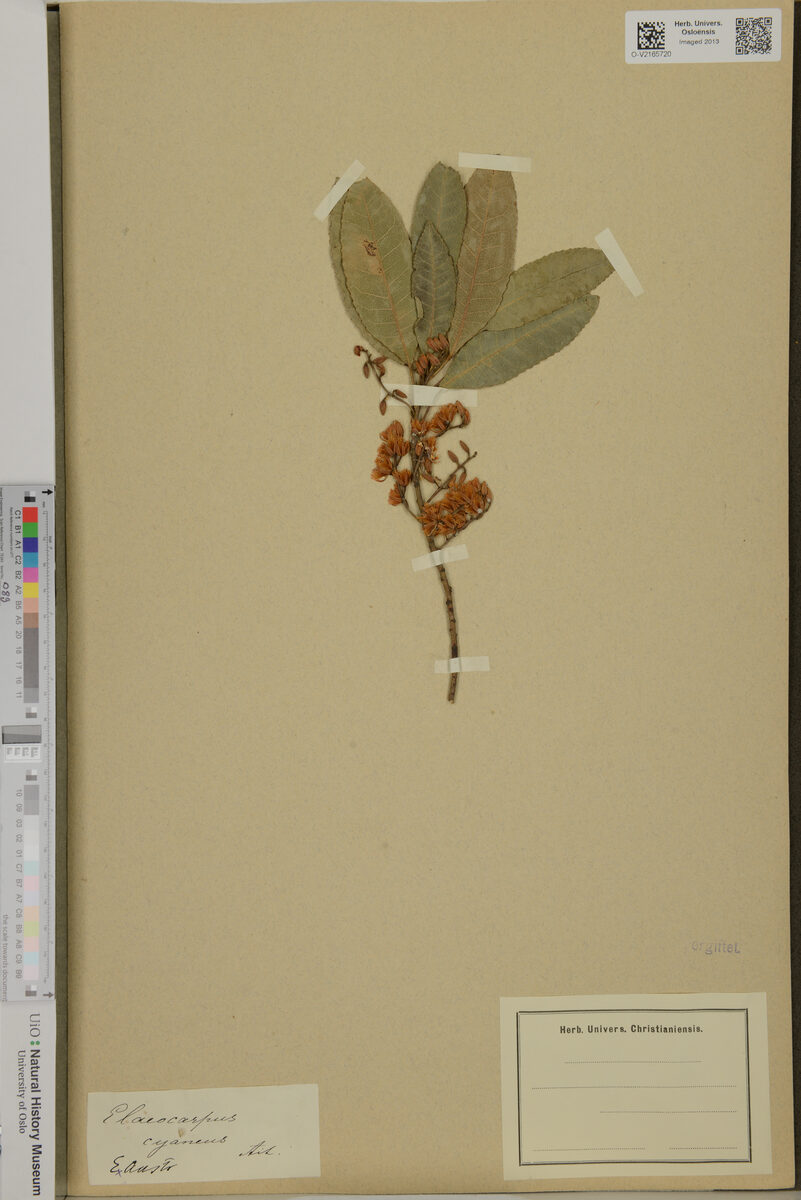
A tree. It grows 25 m tall. The leaves are 14-23 cm long by 6-8 cm wide. They taper to the base. The fruit are 5 cm long by 3 cm wide.
This description is brief — help expand it
Edible Uses
The fruit are eaten raw, with both the pulp and seeds being consumed.
Traditional Uses
The fruit are eaten raw. The fruit pulp and the seeds are eaten.
This uses section is brief — help expand it
Distribution
It is a temperate plant. In southern China it grows in dense forests between 1,500-2,100 m above sea level. It grows between 1000-1500 m above sea level. In Sikkim it grows between 1,830-2,450 m above sea level. It grows in subtropical broad-leaved evergreen forest.
Where It Grows
Asia, Bhutan, China, Himalayas, India, Nepal, Northeastern India, Sikkim,
Production
In China plants flower in April to May and fruit November to December. In Sikkim fruit are available March to May.
Notes
There are about 360 Elaeocarpus species mostly in the tropics.
Also Known As
Badrasey, Bhadrase, Bhadrasey, Rudrakshya, Seleng
References (14)
- Gautam, R. S., et al, 2020, Wild Edible Fruits of Nepal. Int. J. Appl. Sci. Biotechnol. Vol 8(3): 289-304
- Ghimeray, A. K., Lamsal, K., et al, 2010, Wild edible angiospermic plants of the Illam Hills (Eastern Nepal) and their mode of use by local community. Korean J. Pl. Taxon. 40(1)
- J. D. Hooker, Fl. Brit. India 1:402. 1874
- Jin, Chen et al, 1999, Ethnobotanical studies on Wild Edible Fruits in Southern Yunnan: Folk Names: Nutritional Value and Uses. Economic Botany 53(1) pp 2-14 (As Elaeocarpus sikinensis)
- Manju, S., and Sundriyal, R. C., 2001, Wild Edible Plants of the Sikkim Humalaya: Nutritive Values of Selected Species. Economic Botany 55(3): 377-390
Show all 14 references Hide references
- Mukhia, P.K., et al, 2013, Wild plants as Non Wood Forest Products used by the rural community of Dagana, a southern foothill district of Bhutan, SAARC Journal, 27 pages
- Pandey, Y., Upadhyay, S. & Bhatt, S. S., 2018, Phyto-chemical constituent os some wild edible fruits of Sikkim Himalaya. Journal of Pharmacognosy and Phytochemistry 2018; 7(3): 1045-1047
- Ray, A., et al, 2020, How many Wild Edible Plants do we Use. Frontiers in Sustainable Food Systems. 4:56 p 12
- Singh, K.K., Singh, M. & Joshi, S. C., 2014, Phenolic content and Antioxidant Activity of some Underutilized Wild Edible Fruits of the Sikkim Himalaya. SMU Medical Journal. Vol. 1, No. 2 July 2014
- Sundriyal, M., et al, 1998, Wild edibles and other useful plants from the Sikkim Himalaya, India. Oecologia Montana 7:43-54
- Sundriyal, M., et al, 2004, Dietary Use of Wild Plant Resources in the Sikkim Himalaya, India. Economic Botany 58(4) pp 626-638
- Suresh, C. P. et al, 2014, Wild Edible Tree Fruits of Sikkim Himalayas. Journal of Tree Sciences 33(1): 43-48
- Uprety, Y., et al, 2016, Traditional use and management of NTFPs in Kangchenjunga Landscape: implications for conservation and livelihoods. Journal of Ethnobiology and Ethnomedicine (2016) 12:19
- Wild edible plants of Himachal Pradesh