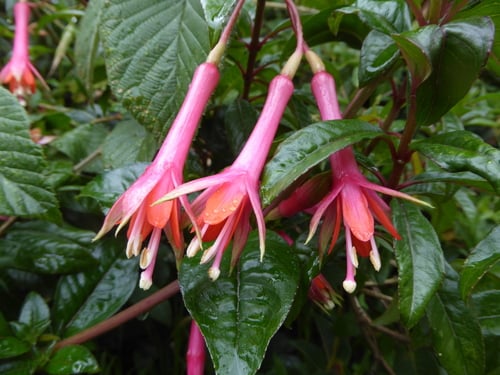
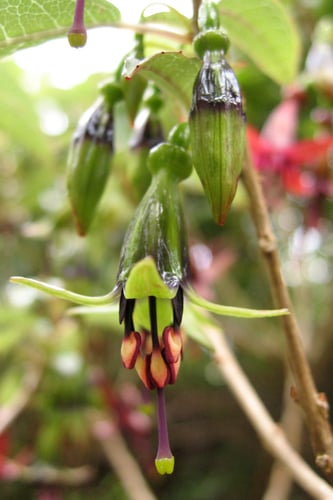
Ludwigia octovalvis
(Jacq.) Raven
Wild cloves, Willow primrose
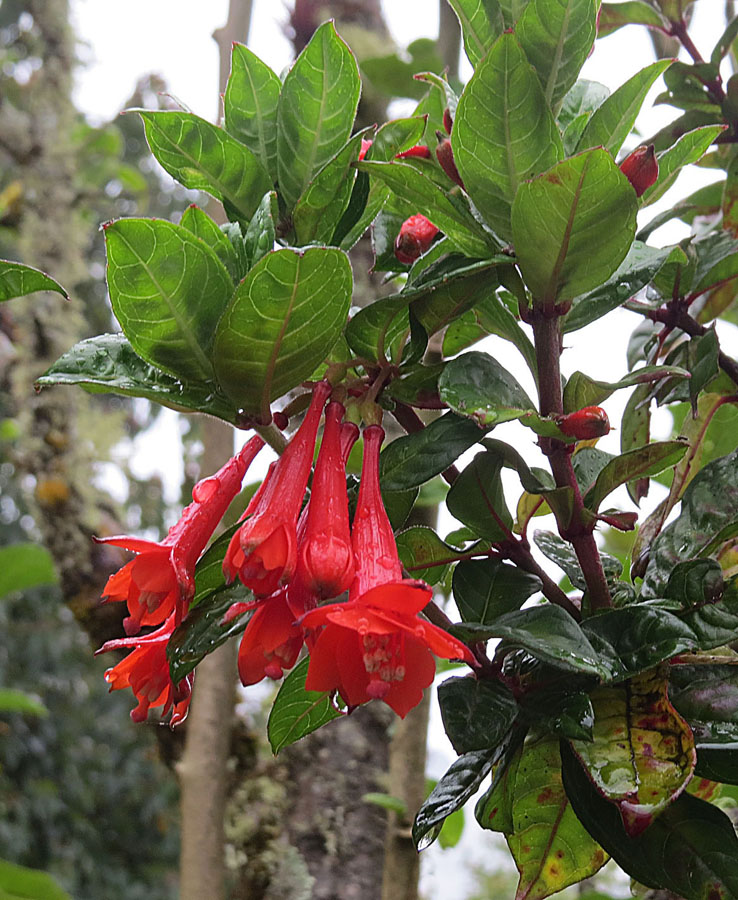
iNaturalist· cc0
no rights reserved, uploaded by 葉子
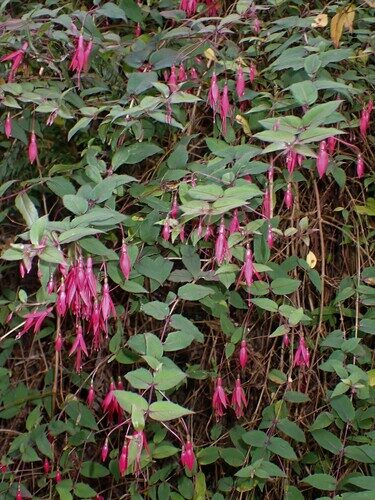
iNaturalist· cc-by-nc
(c) Damon Tighe, some rights reserved (CC BY-NC), uploaded by Damon Tighe
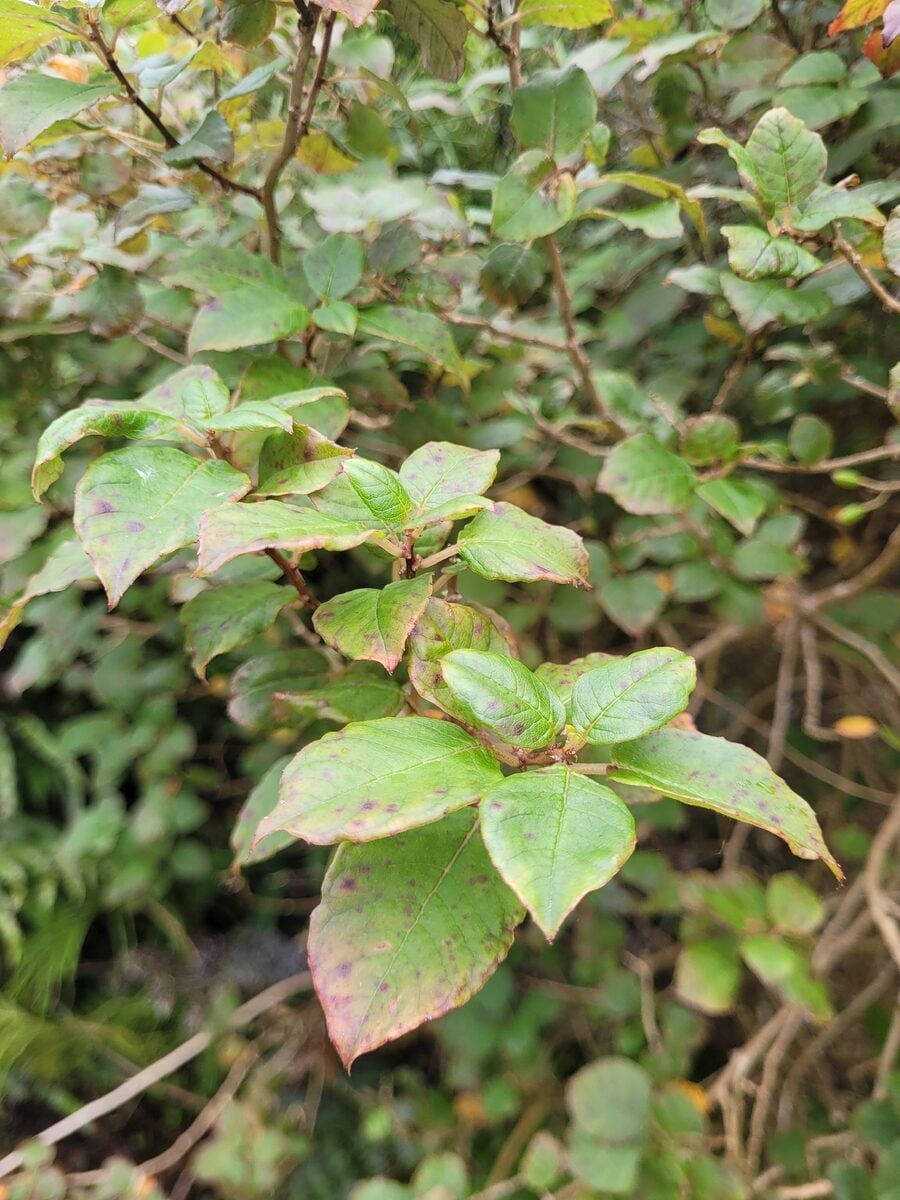
iNaturalist· cc-by-nc
(c) Pedro Alanis, some rights reserved (CC BY-NC), uploaded by Pedro Alanis
Summary
Source: WikipediaLudwigia octovalvis is a species of flowering plant in the Onagraceae family known by the common name Mexican primrose-willow. Its native distribution is unclear, but can be found in Central America, Australia, South-East Asia, Tamilnadu (IND), the Middle East, the Central-West African regions and spreads easily to become naturalized. It is also cultivated as an aquatic plant. The plant is known for its anti-aging properties. The species is sometimes regarded as an invasive species and is classified by IUCN as of "least concern" with stable populations. An adult plant is one meter tall on average but is able to grow taller. It spreads to form mats on the mud, rooting at nodes in contact with the substrate, or floats ascending in the water. Its flowers are yellow in appearance. They are made up of green and red stems. They yield small capsular fruits containing many minute seeds.
Description
A herb or shrub. It grows to 4 m tall. The stems are 4 angled. The leaves are simple and 1-15 cm long by 0.4-4 cm wide. The flower occurs singly in the axils of leaves. The flowers have 4-5 yellow petals. They are 10-20 mm long. The fruit is a capsule. It can be green, red or brown. It is 2-5 cm long by 2-8 mm wide. There are 8 valves. There are several seeds.
Edible Uses
A kind of tea is made from the leaves. It is not clear from the report whether this tea is used as a drink, or solely for medicinal purposes.
Traditional Uses
The young shoots are cooked and eaten.
This uses section is brief — help expand it
Medicinal Uses
The plant is carminative, laxative and vermifuge. It is used in the treatment of diarrhoea, dysentery, nervous diseases. It is considered to have analgesic properties and, together with other herbs, is used as a treatment for rheumatic pains. The mucilaginous leaves are used as a poultice to treat a variety of complaints, including headaches, orchitis and swollen glands in the neck. The plant is sometimes used as a treatment against ulcerations of the nose.
Distribution
A tropical plant. It grows in swampy or wet areas in rainforest. In tropical Queensland it grows from sea level to 800 m altitude. It suits humid locations. In Argentina it grows below from sea level to 1,000 m above sea level. In Yunnan.
Where It Grows
Africa, American Samoa, Argentina, Asia, Australia, Bahamas, Botswana, Brazil, Burkina Faso, Central Africa, Central African Republic, CAR, Central America*, Chile, China, Chuuk, Dominican Republic, East Africa, Fiji, FSM, Haiti, Guinea, Guinée, Guinea-Bissau, India, Indochina, Indonesia, Japan, Kiribati, Laos, Lesser Antilles, Malawi, Malaysia, Marquesas, Marshall Islands, Mexico*, Micronesia, Mozambique, Myanmar, Nauru, Nicaragua, North America, Pacific, Palau, Papua New Guinea, PNG, Paraguay, Pohnpei, Puerto Rico, Rotuma, Samoa, Sao Tome and Principe, SE Asia, Sierra Leone, Singapore, South America, Tanzania, Thailand, Tuvalu, Vietnam, West Africa, West Indies, Zambia, Zimbabwe,
Cultivation
The plant has spread virtually throughout the tropics, so that its original range cannot be known. It is listed as 'Invasive' in some Pacific Islands. When growing in water, this plant has two types of roots, one anchors the plant to the soil, whilst the other, which looks like tiny bananas, contains air sacs that keep the plant afloat, and assist respiration.
Propagation
Seed - Division of runners.
Notes
Jussiaea suffruticosa Walter is a separate species
Synonyms
Also Known As
Aieo, Banlung, Banlunga, Bhulavanga, Bilolobongo, Eeo, Kattukkary-ampu, Kattukkirambu, Kattuthumba, Kavakula, La'avai, Lalbunlunga, Losa sulu, Machali sag, Mathey, Meseii, Nalkimro arxa, Niruyagni-vendramu, Pahonglameng, Panalavanga, Slilma sirpi, Tebo, Telunrik, Te mam, Utilolob, Wu-in-bol
References (18)
- Ambasta, S.P. (Ed.), 2000, The Useful Plants of India. CSIR India. p 305 (As Jussiaea suffruticosa)
- Coe, F.G., and Anderson, G.J., 1996, Ethnobotany of the Garifuna of Eastern Nicaragua. Economic Botany 50(1) pp 71-107
- Coe, F. G. & Anderson, G. J., 1997, Ethnobotany of the Miskitu of Eastern Nicaragua. Journal of Ethnobiology 17(2): 171-214
- Cooper, W. and Cooper, W., 2004, Fruits of the Australian Tropical Rainforest. Nokomis Editions, Victoria, Australia. p 380
- Franklin, J., Keppel, G., & Whistler, W., 2008, The vegetation and flora of Lakeba, Nayau and Aiwa Islands, Central Lau Group, Fiji. Micronesica 40(1/2): 169–225, 2008
Show all 18 references Hide references
- Jain et al, 2011, Dietary Use and Conservation Concern of Edible Wetland Plants at Indo-Burma Hotspot: A Case Study from Northeast India. Journal of Ethnobiology and Ethnomedicine 7:29 p 6 (As Jussiaea suffruticosa)
- Kew Bull. 15:476. 1962
- Marandi, R. R. & Britto, S. J., 2015, Medicinal Properties of Edible Weeds of Crop Fields and Wild plants Eaten by Oraon Tribals of Latehar District, Jharkhand. International Journal of Life Science and Pharma Research. Vo. 5. (2) April 2015 (As Jussiaea suffruticosa)
- Mot So Rau Dai an Duoc O Vietnam. Wild edible Vegetables. Ha Noi 1994, p 50 (As Jussiaea suffruticosa)
- Paczkowska, G . & Chapman, A.R., 2000, The Western Australian Flora. A Descriptive Calatogue. Western Australian Herbarium. p 414
- Parham, B. E. V., 1972, Plants of Samoa. New Zealand Department of Scientific and Industrial Research. Information Series. No. 85 p 52
- Plants of Haiti Smithsonian Institute http://botany.si.edu/antilles/West Indies
- Smith, A.C., 1985, Flora Vitiensis Nova, Lawaii, Kuai, Hawaii, Volume 3 p 380
- Smith, N., Mori, S.A., et al, 2004, Flowering Plants of the Neotropics. Princeton. p 279 (Drawing)
- Swapna, M. M. et al, 2011, A review on the medicinal and edible aspects of aquatic and wetland plants of India. J. Med. Plants Res. 5 (33) pp. 7163-7176
- Thaman, R. R., 1987, Plants of Kiribati: A listing and analysis of vernacular names. Atoll Research Bulletin No. 296
- Thaman, R. R, 2016, The flora of Tuvalu. Atoll Research Bulletin No. 611. Smithsonian Institute p 104
- Xu, You-Kai, et al, 2004, Wild Vegetable Resources and Market Survey in Xishuangbanna, Southwest China. Economic Botany. 58(4): 647-667.