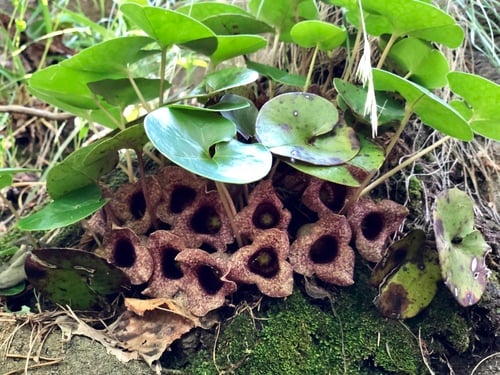
Aristolochia pallida
Willd.
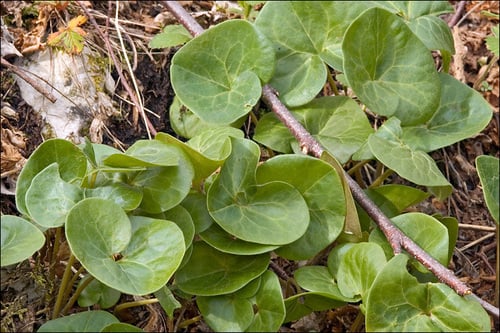
iNaturalist· cc-by-nc-sa
(c) elisabetta2005, some rights reserved (CC BY-NC-SA)
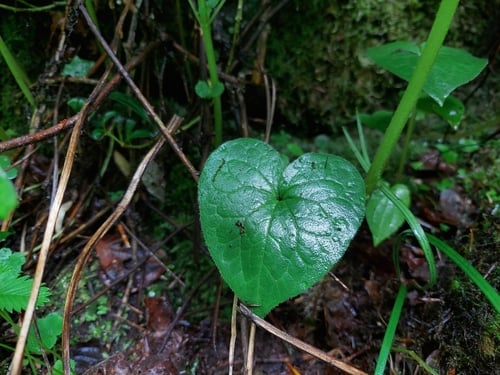
iNaturalist· cc-by-nc
(c) Mirko Tomasi, some rights reserved (CC BY-NC), uploaded by Mirko Tomasi
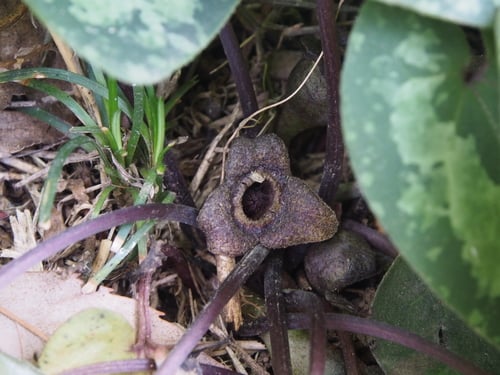
iNaturalist· cc-by-nc
(c) bferrero, some rights reserved (CC BY-NC), uploaded by bferrero
Description
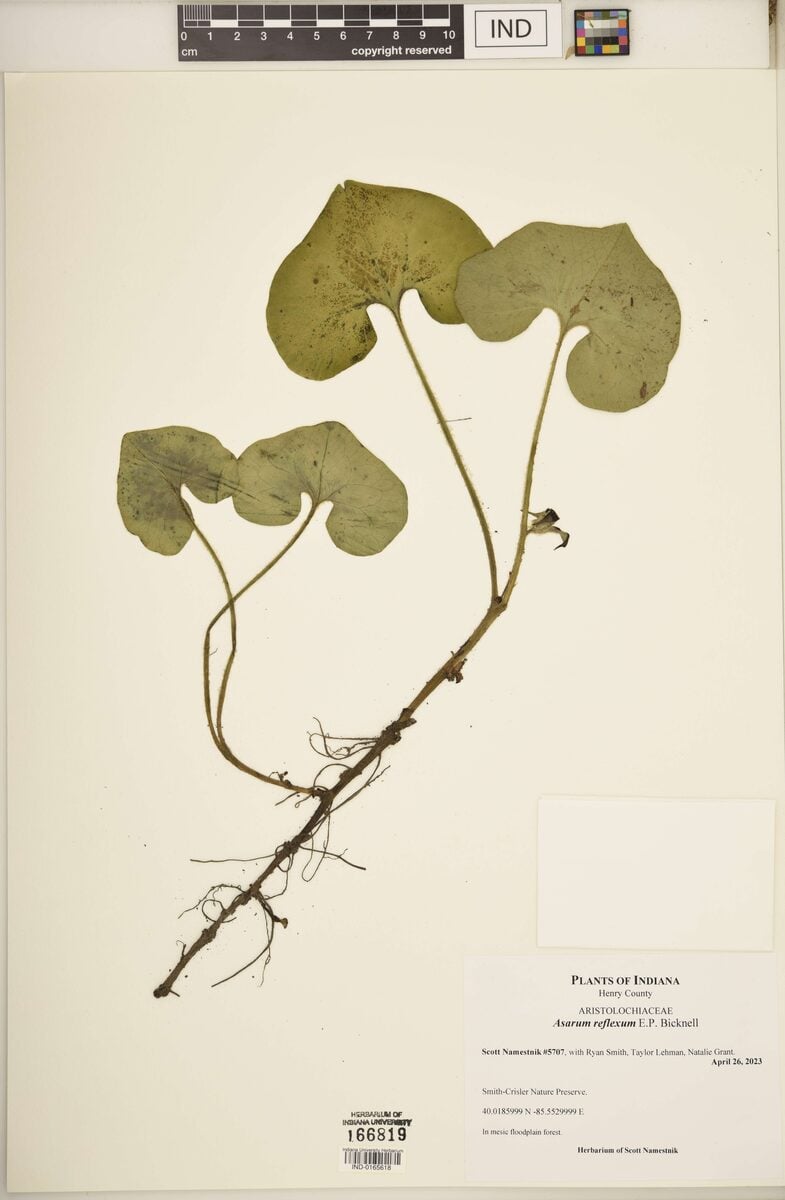
A short herb. It keeps growing from year to year. The stems are hairy at first. The leaves are kidney shaped. They have short stalks. The flowers are 3-6 cm long. They are greenish yellow with purple stripes.
Edible Uses
The leaves are edible.
Traditional Uses
CAUTION: Many plants in this group are poisonous.
This uses section is brief — help expand it
Known Hazards
Many plants in the Aristolochiaceae group are poisonous; caution is advised.
Distribution
It grows in rocky places. It grows throughout Mediterranean countries.
Where It Grows
Europe, Italy, Mediterranean,
Notes
The Aristolochiaceae are mostly tropical and subtropical. There are about 500 Aristolochia species.
References (2)
- Blamey, M and Grey-Wilson, C., 2005, Wild flowers of the Mediterranean. A & C Black London. p 37
- Paoletti, M.G., Dreon, A.L., and Lorenzoni, G.G., 1995, Pistic, Traditional Food from Western Friuli, NE Italy. Economic Botany 49(1) pp 26-30