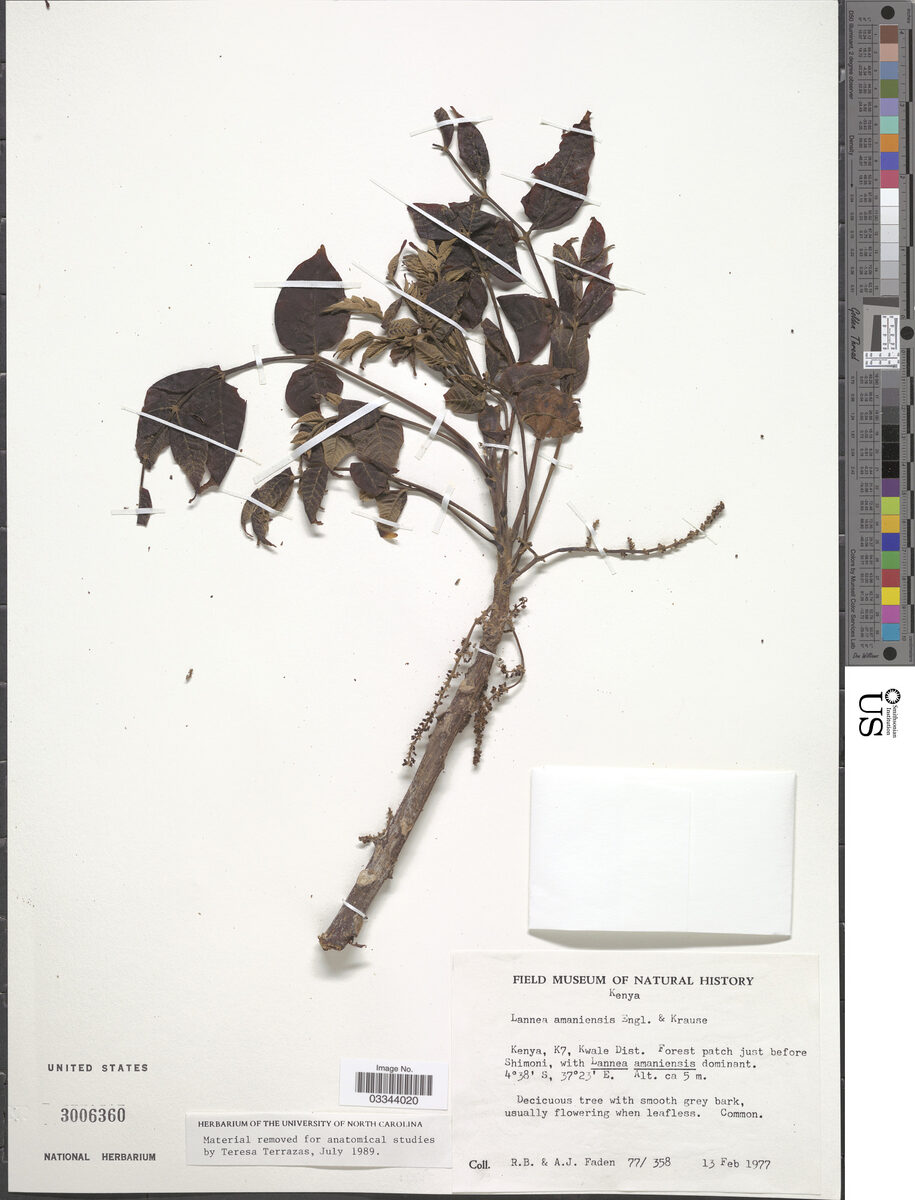
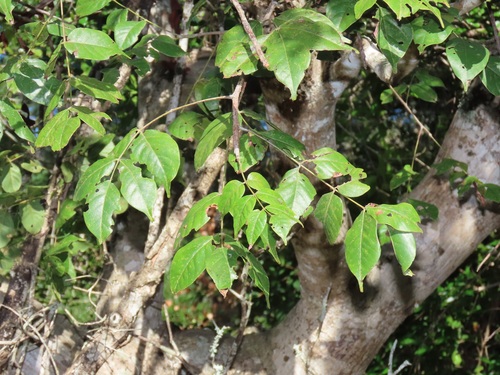
Mangifera similis
Blume
Pipit mango
wikimedia· cc0
Wikimedia Commons (via Wikimedia Commons)
gbif· cc0
President and Fellows of Harvard College
gbif· cc0
President and Fellows of Harvard College
gbif· cc0
President and Fellows of Harvard College
Summary
Source: WikipediaMangifera similis is a species of plant in the family Anacardiaceae. It is endemic to Indonesia.
Description
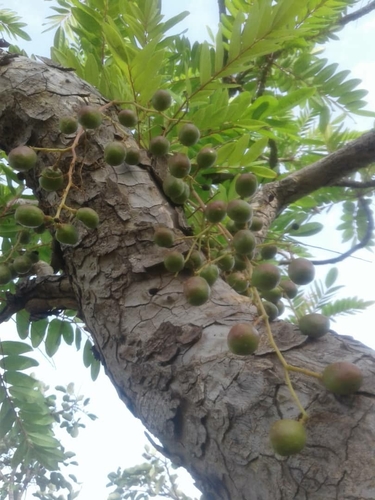
A tree. It grows up to 32 m tall. The trunk can be 50-100 cm across. The leaves are oblong and 7-21 cm long by 3-9 cm wide. They are rough. The veins are distinct underneath. The leaf stalk is 1-4 cm long. The flowering stalks are 8-28 cm long. The flowers are greenish-white. The have a sweet scent. The fruit is smooth and round. It is 10 cm across. The skin is yellowish-green. The flesh is yellow. The seeds are 4 cm thick.
Edible Uses
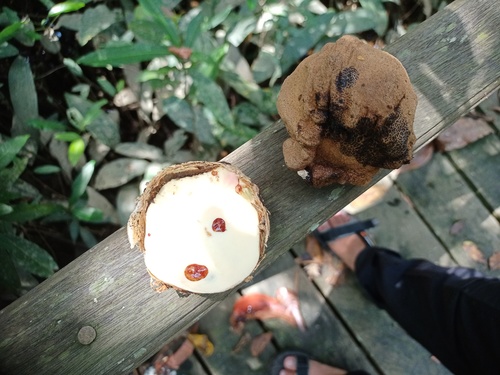
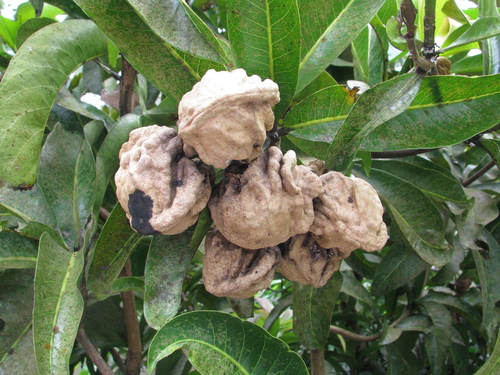
Fruit - raw. The yellow pulp is juicy but rather sour. Sweetly acid. The black, subglobose fruit can be 48 - 70mm long and 43 - 50mm in diameter, containing a single, large seed.
Traditional Uses
The fruit have a sweet acid taste.
This uses section is brief — help expand it
Distribution
A tropical plant. They grow in the humid tropics. It grows up to 150 m altitude.
Where It Grows
Asia, Indonesia, Malaysia, SE Asia,
Cultivation
Plants can be grown from seeds.
Production
In Sarawak it flowers July to August and fruits April and September to December.
Other Information
It is cultivated in Java. The fruit are sweet and acid.
Notes
There are about 40 Mangifera species. An unresolved name in The Plant List.
Synonyms
Also Known As
Asam, Asem rawa, Kemantan, Lamantan, Pipit, Pohon mangga asem pipit, Pohon mangga asem rawa, Tajas
References (6)
- Dodo, 2015, Keanekaragaman dan konservasi Tumbuhan Buah Langka Indonesia. Pusat Konservasi Tumbuhan Kebun Raya – LIPI. Warta Kebun Raya 13(2)
- Kebler, P. J. A., & Kidiyasa, 1994, Trees of the Balikpapan-Samarinda area of East Kalimantan, Indonesia. The Tropenbos Foundation, Wageningen, The Netherlands. p 42
- Milow, P., et al, 2013, Malaysian species of plants with edible fruits or seeds and their evaluation. International Journal of Fruit Science. 14:1, 1-27
- Mus. bot. 1:200. 1850
- PROSEA (Plant Resources of South East Asia) handbook, Volume 2, 1991, Edible fruits and nut. p 203
Show all 6 references Hide references
- Sukarya, D. G., (Ed.) 2013, 3,500 Plant Species of the Botanic Gardens of Indonesia. LIPI p 383