Cryptocarya moschata
Nees & Mart.
Brazilian Nutmeg
iNaturalist· cc-by-nc
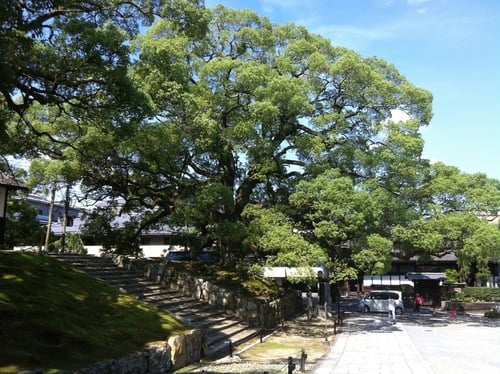
(c) paranapiacabarange, some rights reserved (CC BY-NC)
iNaturalist· cc-by-nc
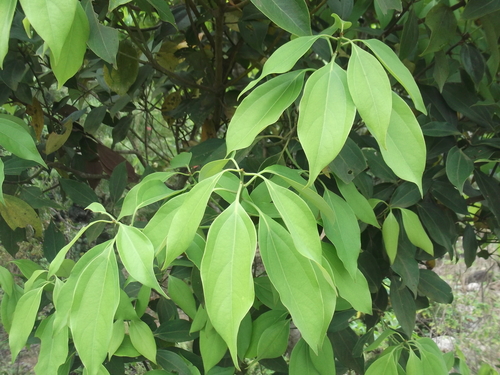
(c) Pedro Zero, some rights reserved (CC BY-NC)
iNaturalist· cc-by-nc
(c) Pedro Zero, some rights reserved (CC BY-NC)
Description
A large tree. It grows 11-30 m tall in forests but is shorter in open sunny positions. The trunk is cylinder shaped and 8-200 cm wide. The bark is flaky and and yellowish brown. The leaves are alternate and narrowly sword shaped. They are 4-16 cm long by 2-7 cm wide. The flower are pale yellow to green. The fruit can be oval or round. They are 2-4 cm long by 1-3 cm wide.
Edible Uses
The seeds and bark are used as a spice and serve as a substitute for nutmeg.
Traditional Uses
It is used as a spice. It is a substitute for nutmeg.
This uses section is brief — help expand it
Distribution
A tropical plant.
Where It Grows
Brazil, South America, Venezuela,
Notes
There are about 200-250 Cryptocarya species.
Synonyms
Also Known As
Bataia, Canela-fogo, Canela-noz, Canela-nhutinga
References (11)
- Burkill, I.H., 1966, A Dictionary of the Economic Products of the Malay Peninsula. Ministry of Agriculture and Cooperatives, Kuala Lumpur, Malaysia. Vol 1 (A-H) p 703
- de Moraes, P. L. R., 2006, Taxonomy of Cryptocarya species of Brazil. State University of Campinas, Brasil. p 85
- Grandtner, M. M. & Chevrette, J., 2013, Dictionary of Trees, Volume 2: South America: Nomenclature, Taxonomy and Ecology. Academic Press p 182
- Hedrick, U.P., 1919, (Ed.), Sturtevant's edible plants of the world. p 229
- Kermath, B. M., et al, 2014, Food Plants in the Americas: A survey of the domesticated, cultivated and wild plants used for Human food in North, Central and South America and the Caribbean. On line draft. p 279
Show all 11 references Hide references
- Macmillan, H.F. (Revised Barlow, H.S., et al), 1991, Tropical Planting and Gardening. Sixth edition. Malayan Nature Society. Kuala Lumpur. p 383
- Menninger, E.A., 1977, Edible Nuts of the World. Horticultural Books. Florida p 10, 81
- Seidemann J., 2005, World Spice Plants. Economic Usage, Botany, Taxonomy. Springer. p 124 (Probably synonym Cryptocarya aschersonia)
- van Wyk, B., 2005, Food Plants of the World. An illustrated guide. Timber press. p 259
- Wickens, G.E., 1995, Edible Nuts. FAO Non-wood forest products. FAO, Rome. p 138
- www.colecionandofrutas.org