Pueraria edulis
Pampanini
Edible kudzu
iNaturalist· cc-by-nc
(c) Ann Wong, some rights reserved (CC BY-NC), uploaded by Ann Wong
Description
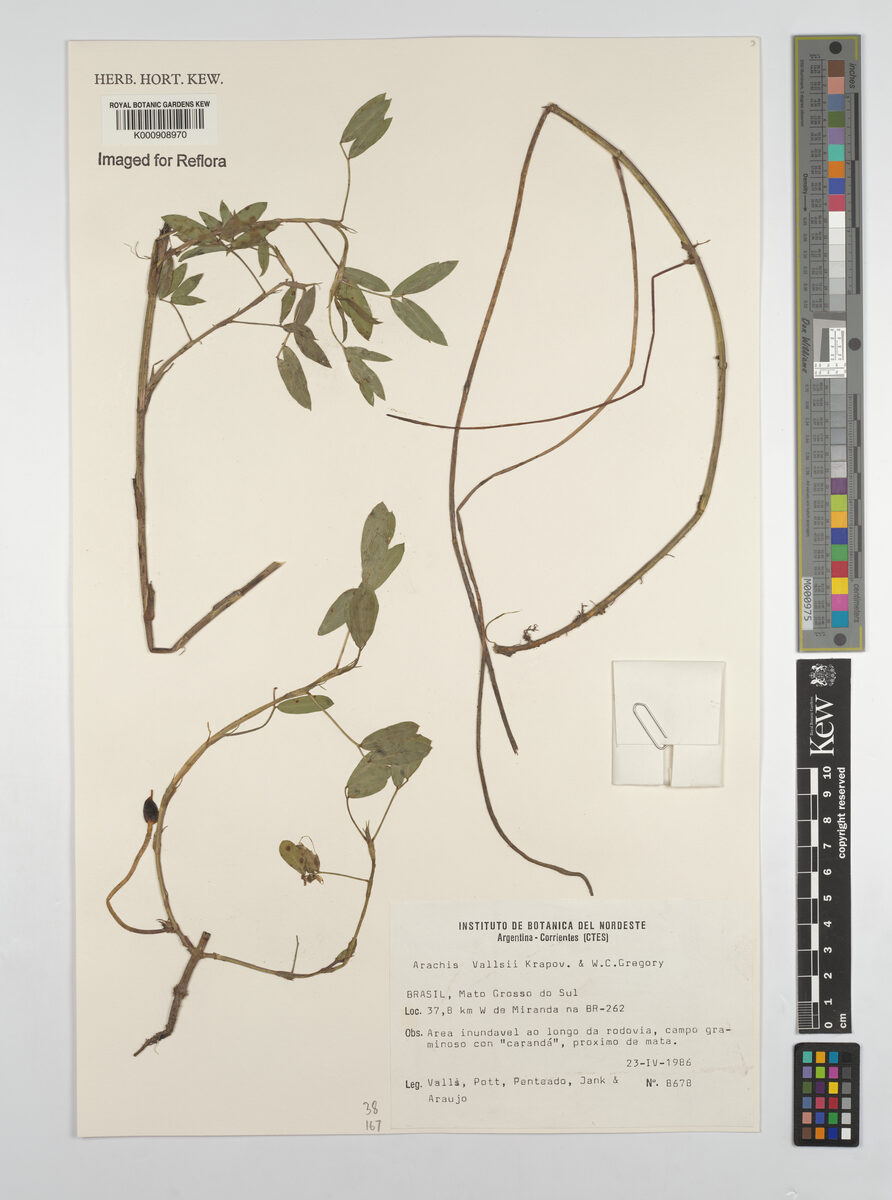
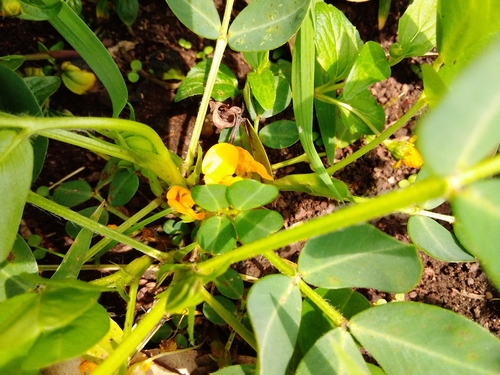
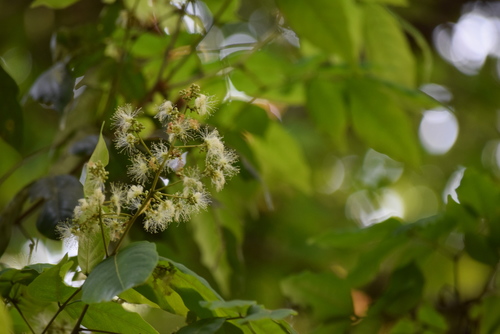
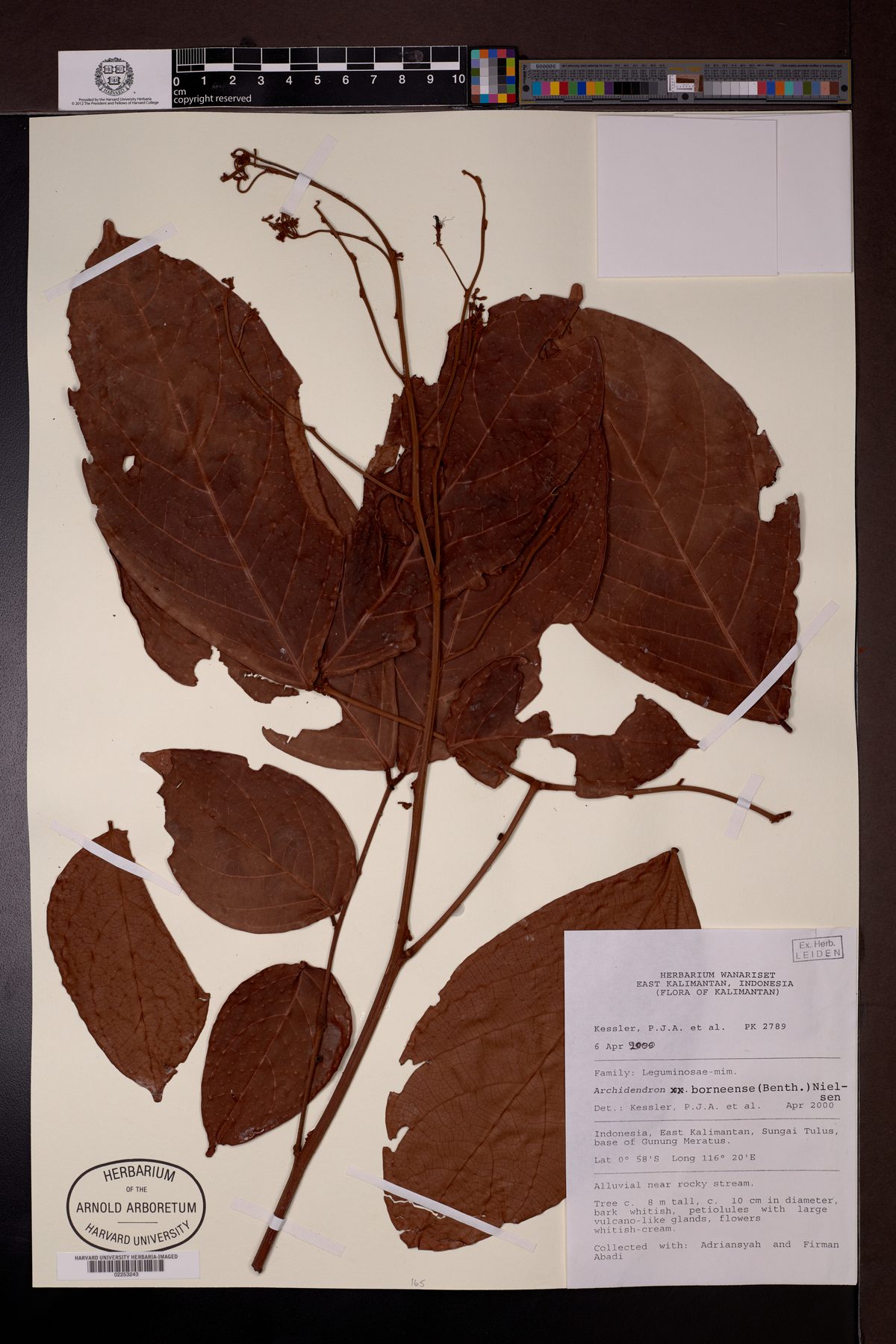
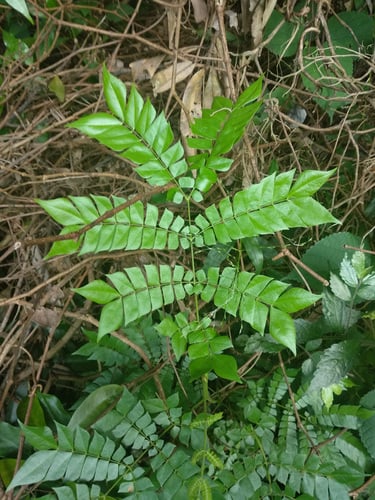
A creeping bean herb that keeps growing from year to year. It has fleshy tuberous roots. The young branches are hairy. The leaves have 3 leaflets. The end one is diamond shaped and has 3 lobes. The side 2 leaflets are oblique. They are 8-15 cm long by 6-10 cm wide. The flowers are purple-red. They are 1.5 cm long. The pods are narrow and 6 cm long.
Edible Uses
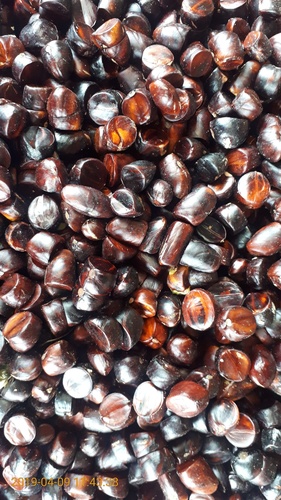
Starch is extracted from the enlarged fleshy roots and used to make noodles.
Traditional Uses
Starch is made from the enlarged fleshy root and used to make noodles.
This uses section is brief — help expand it
Distribution
It is a tropical plant. In China it grows in forests between 1,000-3,200 m above sea level. In Sichuan and Yunnan.
Where It Grows
Asia, Bhutan, China, Himalayas, India, Myanmar, SE Asia, Taiwan,
Cultivation
Pueraria edulis is a plant of moderate to high elevations in the warm temperate to tropical mountains of southern China and northern India. Species in this genus generally grow best in a sunny position in a well-drained soil. This species has a symbiotic relationship with certain soil bacteria, these bacteria form nodules on the roots and fix atmospheric nitrogen. Some of this nitrogen is utilized by the growing plant but some can also be used by other plants growing nearby.
Propagation
Pre-soak the seed for 12 hours in warm water and sow in a warm greenhouse in early spring. Germination should take place within 2 weeks. Prick out the seedlings into individual pots when they are large enough to handle and plant them out after the last expected frosts. Cover the young plants with a frame or cloche until they are growing away well.
Other Information
It is a cultivated plant. It is sold in local markets in China.
Synonyms
Also Known As
Chegu, Ge gen, Qieneng, Shi yong ge teng
References (7)
- GBIF
- Hu, Shiu-ying, 2005, Food Plants of China. The Chinese University Press. p 482
- Li, D. et al, 2017, Ethnobotanical survey of herbal tea plants from the traditional markets in Chaoshan, China. Journal of Ethnopharmacology. 205 (2017) 195-206
- Lim, T. K., 2015, Edible Medicinal and Non Medicinal Plants. Volume 9, Modified Stems, Roots, Bulbs. Springer p 71
- Nuovo Giorn. Bot. Ital. new ser., 17:28. 1910
Show all 7 references Hide references
- PROSEA handbook Volume 9 Plants yielding non-seed carbohydrates. p 179
- Xu, You-Kai, et al, 2004, Wild Vegetable Resources and Market Survey in Xishuangbanna, Southwest China. Economic Botany. 58(4): 647-667.