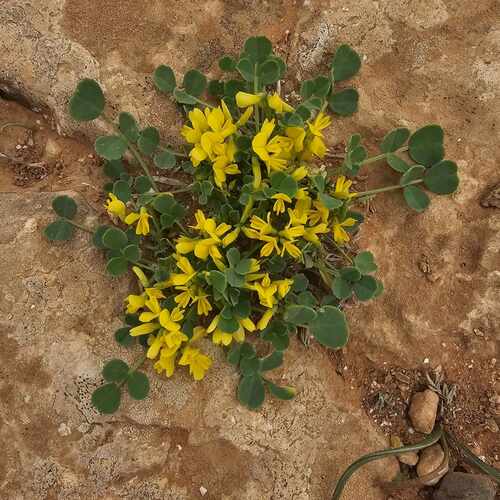
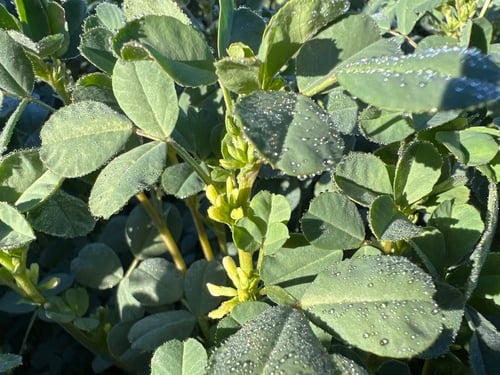
Inga sessilis
(Vell.) Martius
Inga, Ice-cream bean
iNaturalist· cc-by-nc
(c) Yuri Tedéo, some rights reserved (CC BY-NC), uploaded by Yuri Tedéo
iNaturalist· cc-by-sa
(c) Aline Fernanda Antunes, some rights reserved (CC BY-SA), uploaded by Aline Fernanda Antunes
iNaturalist· cc-by-nc
(c) Douglas Meyer, some rights reserved (CC BY-NC), uploaded by Douglas Meyer
Description
A tree. It grows 12-20 m tall. The crown is wide and the branches are angular. The trunk is smooth and 20-40 cm across. The leaves are compound. There are 6-9 pairs of leaflets. They are 11-12 cm long. They are on a winged leaf stalk. The leaflets are hairy on the underside. The flowers are in groups in the axils of leaves. These are 1.5-2.5 cm long on stalks 2-6 cm long. The fruit is a woody curved pod 10-20 cm long.
Edible Uses
The white pulpy layer surrounding the seeds inside the fruit pods is eaten fresh and is particularly enjoyed for its sweet taste.
Traditional Uses
The fruit are eaten. It is the layer around the seeds that is eaten.
This uses section is brief — help expand it
Distribution
A tropical plant. It grows in the SE of Brazil.
Where It Grows
Argentina, Brazil*, South America,
Cultivation
Plants are grown from seed. The seeds are taken from a ripe pod and must not be allowed to dry out. They are planted fresh and germinate in a few days. Seedlings can be planted in the field in 5-6 months.
Propagation
Seed - best sown as soon as it is ripe. Sow in a lightly shaded position in a nursery seedbed. A moderate rate of germination can be expected, with the seeds sprouting within a few days. Transplant the seedlings to individual containers when they have 4 - 6 leaves and they should be ready for planting out 5 - 6 months later.
Other Uses
The bark is a source of tannins. The wood is medium-textured, straight-grained, light in weight, with moderate mechanical properties and with poor durability when exposed to the elements. It is used for low value items such as boards, linings, matches etc. The wood is used for fuel and to make charcoal. Often found as a pioneer within its native range, the tree is fast-growing, yields an edible fruit that is also greatly appreciated by the wildlife, and also fixes atmospheric nitrogen. It has a good potential for use as a pioneer species in re-establishing woodland.
Production
Plants grow at a fast rate. They can be 2.5 m tall in 2 years.
Other Information
The fruit are enjoyed.
Notes
There are 350 Inga species. The tree is good at fixing nitrogen in the soil. Also as Mimosaceae.
Synonyms
Also Known As
Anga, Anga-macaco, Inga-acu-amarelo, Inga-carneiro, Inga-ferradura, Inga-horseshoe, Inga macaco, Inga-peludo, Sessile inga
References (11)
- Alimenticias - FloraSBS
- Brack, P., et al, 2020, Frutas nativas do Rio Grande do Sul, Brasil: riqueza e potencial alimentício. Native fruits of Rio Grande do Sul, Brazil: richness and potential as food. Rodriguésia 71: e03102018.
- Flora 20(2), Beibl.:114. 1837
- Grandtner, M. M. & Chevrette, J., 2013, Dictionary of Trees, Volume 2: South America: Nomenclature, Taxonomy and Ecology. Academic Press p 326
- Kinupp, V. F., 2007, Plantas alimenticias nao-convencionais da regiao metropolitana de Porto Alegre, RS, Brazil p 79
Show all 11 references Hide references
- Leal, M. L. et al, 2018, Knowledge, use, and disuse of unconventional food plants. Journal of Ethnobiology and Ethnomedicine (2018) 14:6
- Lorenzi, H., 2002, Brazilian Trees. A Guide to the Identification and Cultivation of Brazilian Native Trees. Vol. 02 Nova Odessa, SP, Instituto Plantarum p 187
- Lorenzi, H., Bacher, L., Lacerda, M. & Sartori, S., 2006, Brazilian Fruits & Cultivated Exotics. Sao Paulo, Instituto Plantarum de Estuados da Flora Ltda. p 146
- NYBG herbarium "edible"
- Rossato, S.C., et al, 1999, Ethnobotany of Caicaras of the Atlantic Forest Coast (Brazil). Economic Botany 53(4) pp 387-395
- www.colecionandofrutas.org