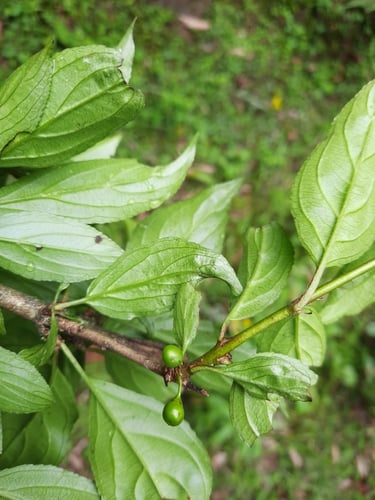
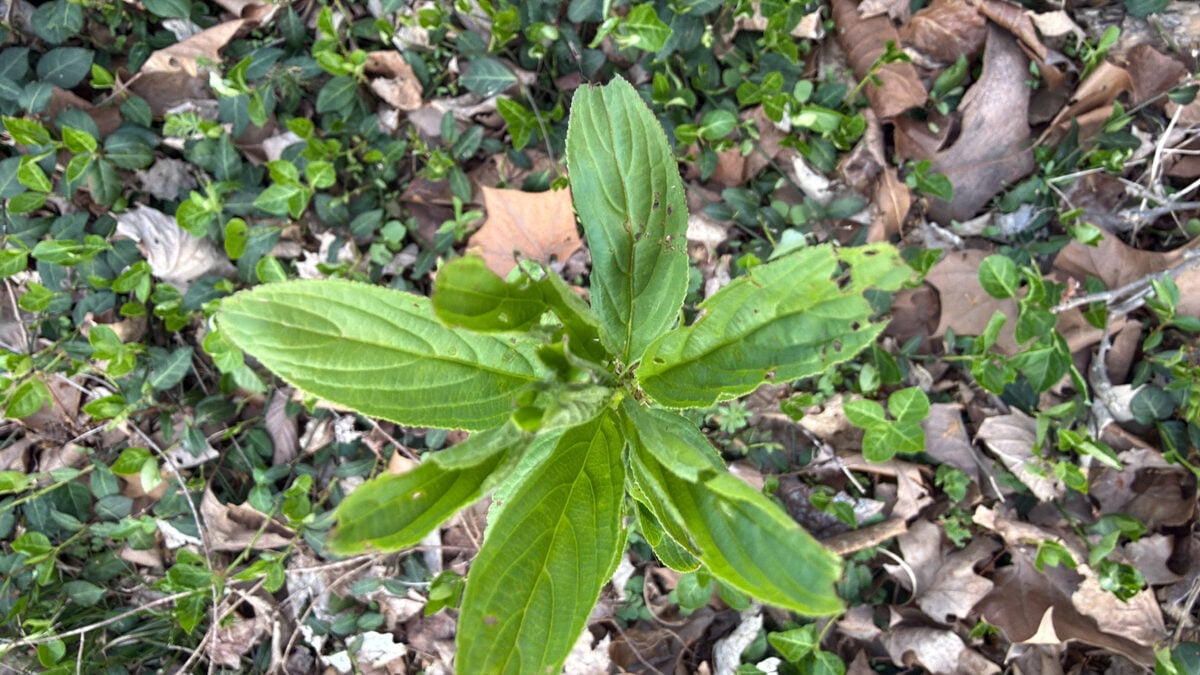
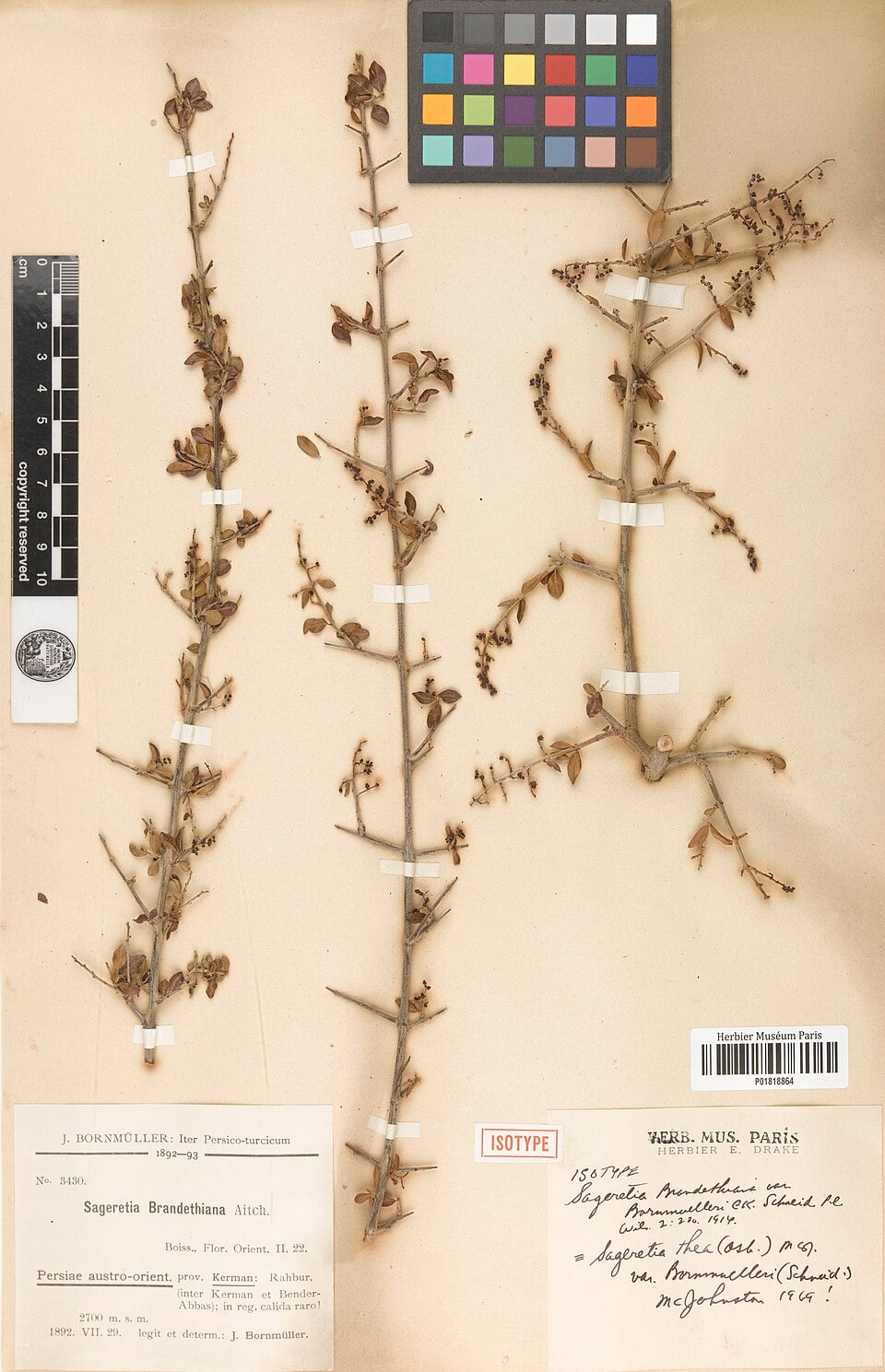
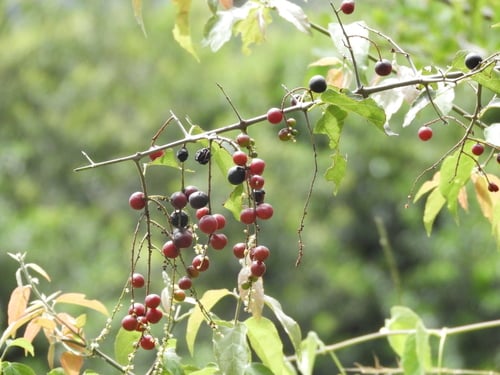
Ziziphus rotundifolia
Lamk.
wikimedia· cc-by-sa
Wikimedia Commons - Persium
wikimedia· cc0
Wikimedia Commons - Dr.S.Soundarapandian
Description
A tropical shrub or small tree in the Rhamnaceae family.
This description is brief — help expand it
Edible Uses
The fruit is edible.
Known Hazards
Ziziphus nummularia has been used for erosion control, reducing wind damage, and allowing deposited material to stabilise, forming a microhabitat that enables other plants such as grasses to grow. The shrub sends up many suckers from the root system and can be planted to form a windbreak, sometimes in association with Crotalaria burhia. The timber is used in building construction and to make farm implements, and it also makes good fuel and charcoal. The leaves can provide forage for livestock; in India they are picked, dried, and stored, producing about 1,000 kg (2,200 lb) dried foliage per hectare. The fruits are edible, sweet, and acidic. They can be eaten raw, pickled, dried, or used to make confectionery. Rats and gerbils are also attracted to the fruit, which can therefore be used in poison baits to attract the rodents.
Distribution
It is a tropical plant.
Where It Grows
Asia, Indochina, Iran, Middle East, SE Asia, Thailand,
References (3)
- J. B. A. P. M. de Lamarck & L. A. J. Desrousseaux, Encycl. 3:319. 1789
- Hedrick, U.P., 1919, (Ed.), Sturtevant's edible plants of the world. p 707
- Somnasang, P., Moreno, G and Chusil K., 1998, Indigenous knowledge of wild hunting and gathering in north-east Thailand. Food and Nutrition Bulletin 19(4) p 359f