Cynanchum thesioides
(Freyn) K.Schum.
Temegen huhu
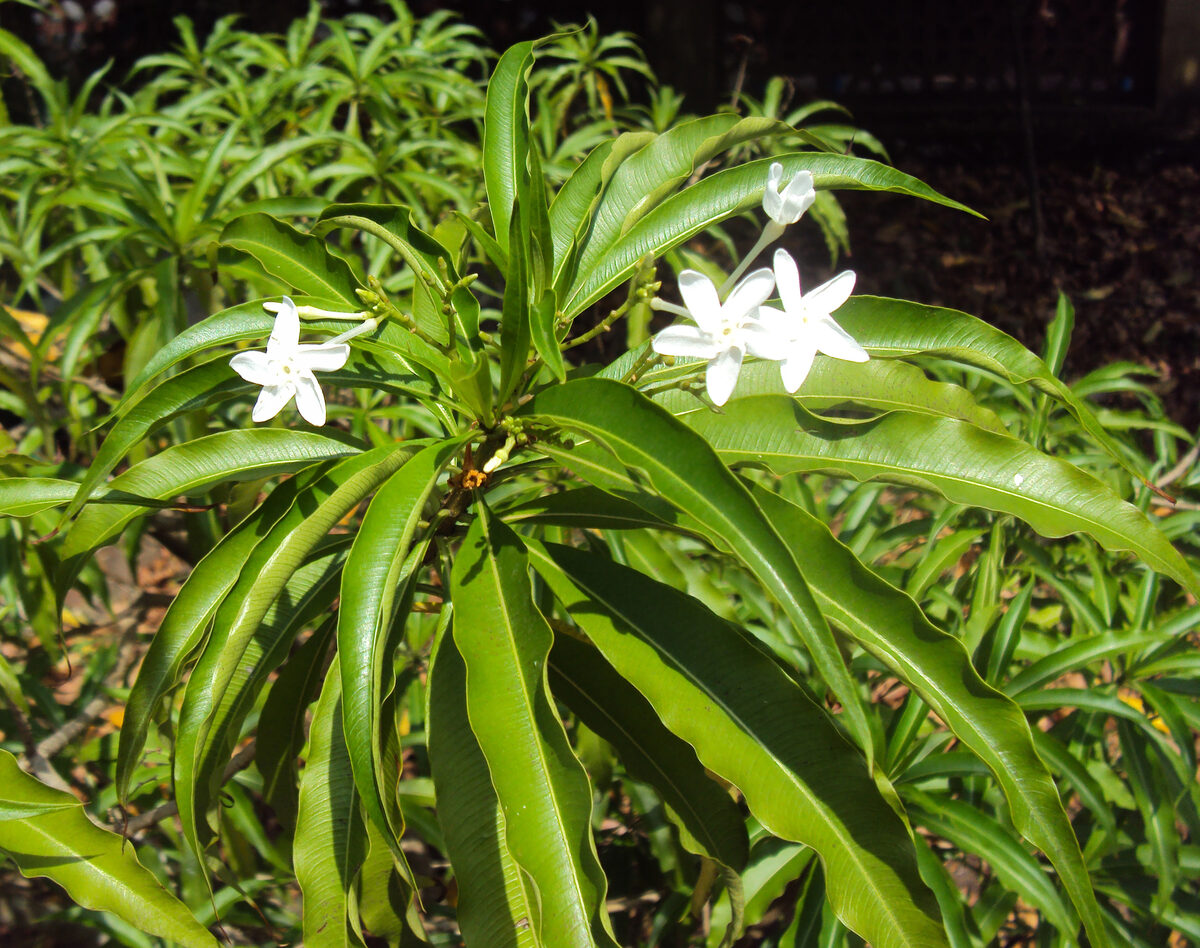
iNaturalist· cc-by-nc
(c) Petr Kosachev, some rights reserved (CC BY-NC), uploaded by Petr Kosachev
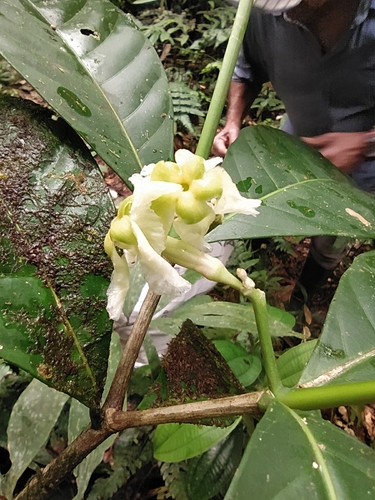
iNaturalist· cc-by-nc
(c) Purevee Erdenetushig, some rights reserved (CC BY-NC), uploaded by Purevee Erdenetushig
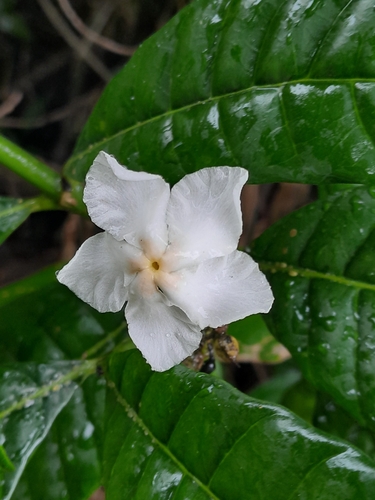
iNaturalist· cc-by-nc
(c) Konstantin Romanov, some rights reserved (CC BY-NC), uploaded by Konstantin Romanov
Description
A herb. It can be a creeper and has rhizomes. It is hairy. The stems are erect or the upper part can be twining. The leaves are opposite and without leaf stalks. They are 3-10 cm long by 1-2 cm wide. The fruit are follicles 5-6 cm long by 1-2 cm wide. The seeds are oval.
Edible Uses
The young fruits are eaten as a vegetable or prepared as pickles.
Traditional Uses
The young fruit are used as a vegetable. They are also used for pickles.
This uses section is brief — help expand it
Distribution
It is a temperate plant. In Inner Mongolia. In north China it grows in open disturbed sites and sand dunes from sea level to 3,000 m above sea level.
Where It Grows
Asia, Central Asia, China, Kazakhstan, Korea, Mongolia, Russia,
Notes
There are about 150 Cynanchum species.
Synonyms
Also Known As
Haogua, Haoguo, Lao gua piao, Lao piao, Temeen huhu
References (9)
- "Chinese Nutrition Journal", 2002, Vol 23(8) p 298
- https://en.wikipedia.org/wiki/List of wild edible plants in Mongolian cuisine
- Jia, X., et al, 2022, Ethnobotany of wild edible plants in multiethnic areas of the Gansu–Ningxia–Inner Mongolia junction zone. Journal of Ethnobiology and Ethnomedicine 18:53
- Khasbagan, Hu-Yin Huai, and Sheng-Ji pei, 2000, Wild Plants in the Diet of Athorchin Mongol Herdsmen in Inner Mongolia. Economic Botany 54(4): 528-536
- Khasbagan, Yeruhan and Zhao Hui, 2011, Study on Traditional Knowledge of Wild Edible Plants Used by the Mongolians in Xilingol Typical Steppe Area. Plant Diversity and Resources. 33(2): 239-246
Show all 9 references Hide references
- H. G. A. Engler & K. A. E. Prantl, Nat. Pflanzenfam. 4(2):252. 1895
- Sachula, et al, 2020, Wild edible plants collected and consumed by the locals in Daqinggou, Inner Mongolia, China. Journal of Ethnobiology and Ethnomedicine (2020) 16:60
- Urgamal, M., Oyuntsetseg, B., Nyambayar, D. & Dulamsuren, Ch. 2014. Conspectus of the vascular plants of Mongolia. (Editors: Sanchir, Ch. & Jamsran, Ts.). Ulaanbaatar, Mongolia. “Admon“ Press. 334pp. (p. 79-90).
- Zhang, Y., et al, Yunatov’s Records of Wild Edible Plant Used by the Mongols in Mongolia During 1940- 1951: Ethnobotanical Arrangements and Discussions. Inner Mongolia Normal University. p 9