Adenostemma lavenia
(L.) Kuntze
Sticky daisy
iNaturalist· cc0
no rights reserved, uploaded by 葉子
iNaturalist· cc0
no rights reserved, uploaded by 葉子
iNaturalist· cc-by-nc
(c) 眼子菜, some rights reserved (CC BY-NC), uploaded by 眼子菜
Description
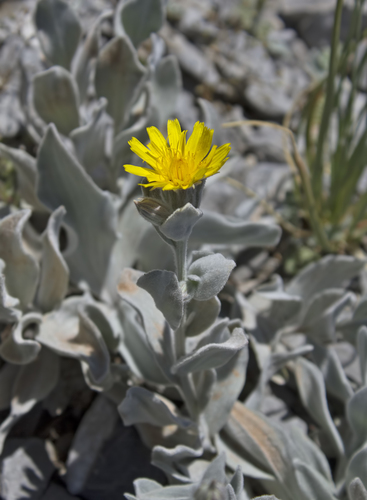
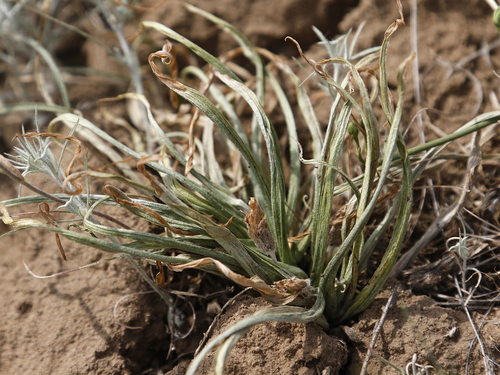
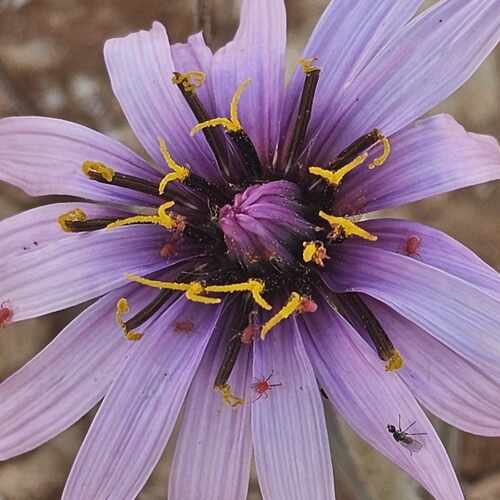
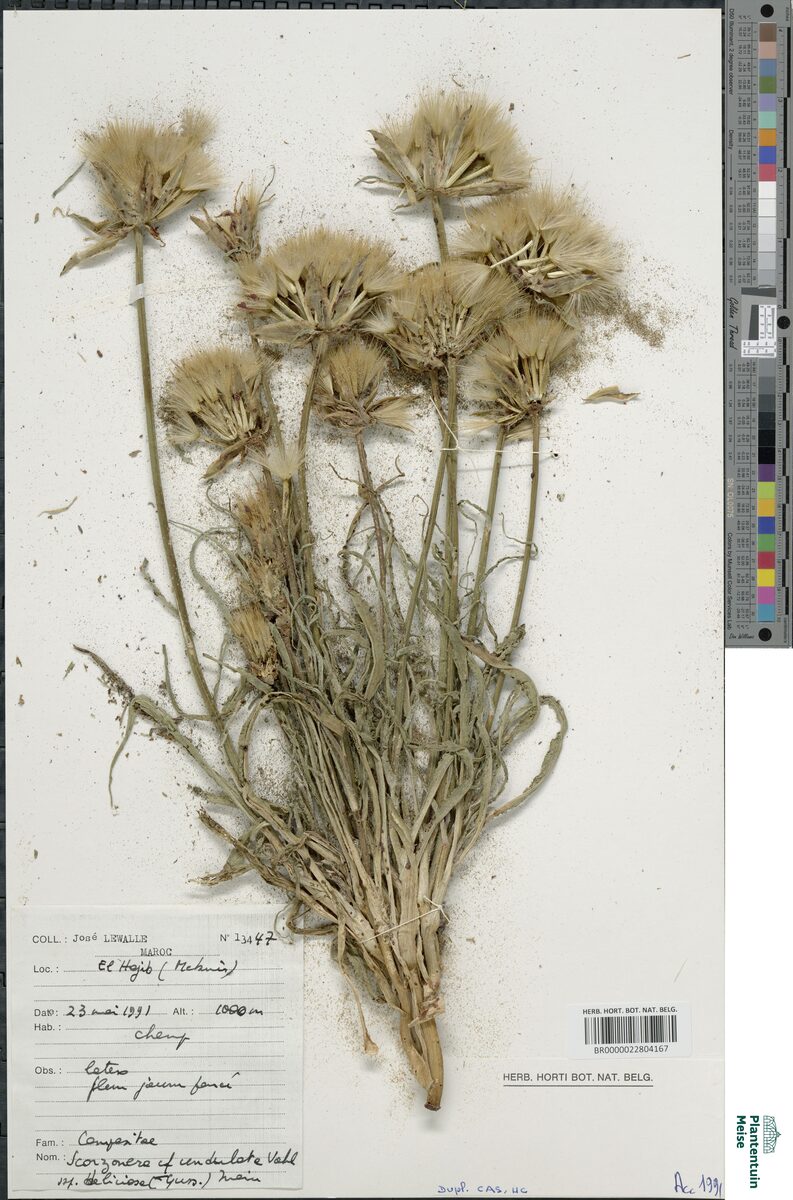
A herb. It grows 1 m high. The leaves are simple and 2-20 cm long by 1-13 cm wide. The leaves get smaller from the base upwards. The leaf stalks are 1-6 cm long. The flowering stalk has a panicle of heads. The flower heads are 3-7 mm across. They are white. The fruit is a nut. It is black and 2-4 mm long and 1 mm wide.
Edible Uses
The leaves are eaten as a vegetable in Bali, where it is used in mixtures due to its bitter taste.
Traditional Uses
It is eaten in Bali as a vegetable but because it is bitter it is only used in mixtures.
This uses section is brief — help expand it
Distribution
A tropical plant. It grows throughout the tropics. It grows in waste places. It suits wetlands.
Where It Grows
Africa, Asia, Australia, China, Himalayas, India, Indochina, Indonesia, Japan, Korea, Malaysia, Myanmar, Nepal, Niue, Pacific, Papua New Guinea, PNG, Philippines, Samoa, SE Asia, Sierra Leone, Sri Lanka, Taiwan, Thailand, Tibet, West Africa,
Notes
It is used in medicine.
Synonyms
Also Known As
Bababian, Daun tempel daging, Rumput pasir, Sembong gajah, Sin-bizat-gyi
References (7)
- Burkill, I.H., 1966, A Dictionary of the Economic Products of the Malay Peninsula. Ministry of Agriculture and Cooperatives, Kuala Lumpur, Malaysia. Vol 1 (A-H) p 50
- Cooper, W. and Cooper, W., 2004, Fruits of the Australian Tropical Rainforest. Nokomis Editions, Victoria, Australia. p 79
- Parham, B. E. V., 1972, Plants of Samoa. New Zealand Department of Scientific and Industrial Research. Information Series. No. 85 p 100
- Revis. gen. pl. 1:304. 1891
- Siemonsma, J. S. & Kasem Piluek, eds. 1993. Vegetables. In: Plant Resources of South-East Asia (PROSEA) 8:311
Show all 7 references Hide references
- World Checklist of Useful Plant Species 2020. Royal Botanic Gardens, Kew
- Zhang, Y., et al, 2014, Diversity of wetland plants used traditionally in China: a literature review. Journal of Ethnobiology and Ethnomedicine. 10:72