Centaurea nigrescens
Willd.
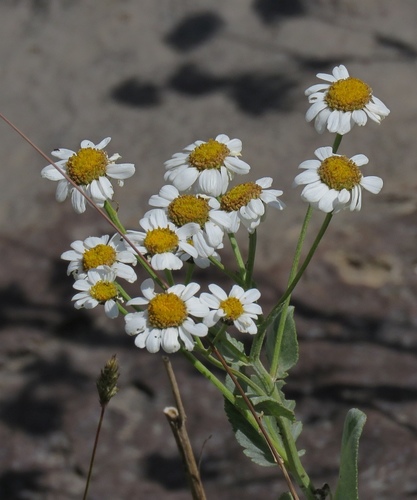
iNaturalist· cc-by-nc
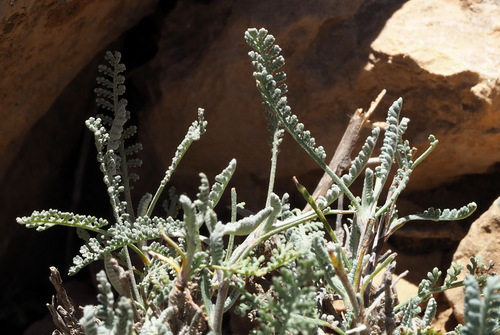
(c) Paul Tavares, some rights reserved (CC BY-NC), uploaded by Paul Tavares
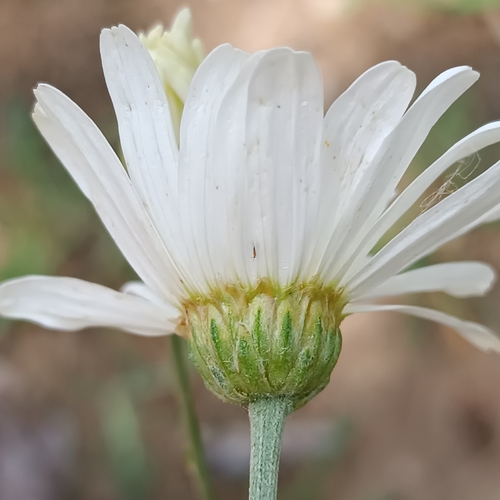
iNaturalist· cc-by-nc
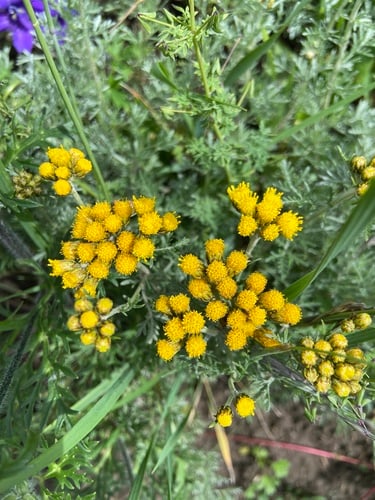
(c) donnasara, some rights reserved (CC BY-NC), uploaded by donnasara
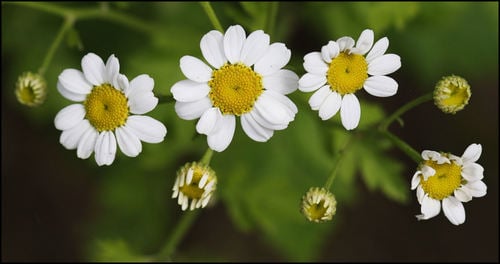
iNaturalist· cc-by-sa
(c) Douglas Goldman, some rights reserved (CC BY-SA), uploaded by Douglas Goldman
Summary
Source: WikipediaCentaurea nigrescens, the Tyrol knapweed, short-fringed knapweed or Tyrol thistle, is a perennial plant in the genus Centaurea that grows natively in Central and South-eastern Europe (from Southern Germany and Northern Italy to Romania and Bulgaria). It has also been introduced and is now a noxious weed in the Northern United States, Canada, and Southern Australia. It has purple flowers and it flowers in the summer (June to September).
Description
A herb. It grows about 50 cm tall. The leaves are 15-20 cm long by 5-6 cm wide and divided.
This description is brief — help expand it
Edible Uses
The leaves are eaten.
Distribution
It is a Mediterranean climate plant. In Argentina it grows below 500 m above sea level.
Where It Grows
Argentina, Europe*, Italy, Mediterranean, South America,
Notes
There are 400 to 600 Centaurea species.
References (2)
- Paoletti, M.G., Dreon, A.L., and Lorenzoni, G.G., 1995, Pistic, Traditional Food from Western Friuli, NE Italy. Economic Botany 49(1) pp 26-30
- Sp. pl. 3(3):2288. 1803