Bangia fuscopurpurea
(Dillwyn) Lyngbye
Hair plant
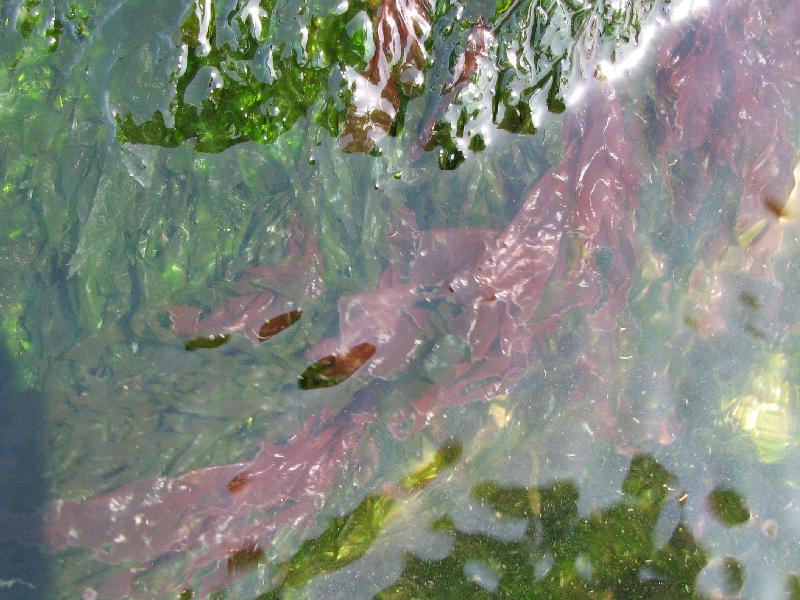
iNaturalist· cc-by-nc
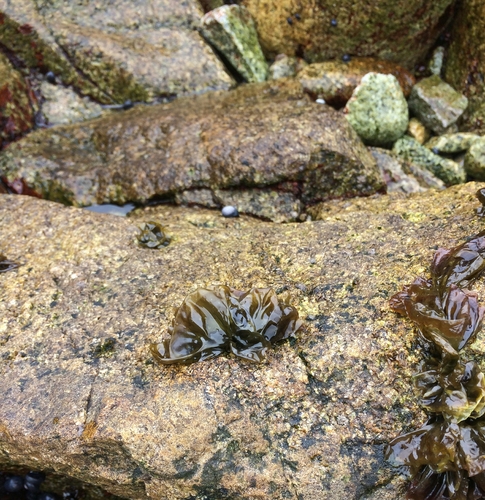
(c) Svenja Heesch, some rights reserved (CC BY-NC), uploaded by Svenja Heesch
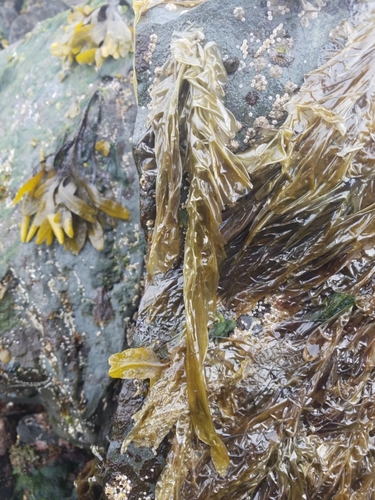
iNaturalist· cc-by-nc
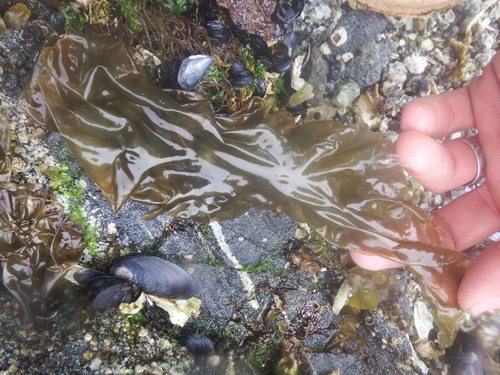
(c) maricel patino, some rights reserved (CC BY-NC)
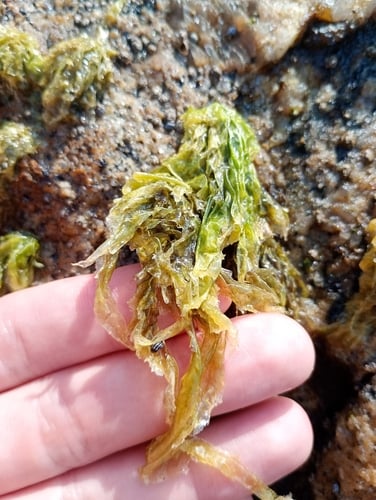
iNaturalist· cc-by-nc
(c) maricel patino, some rights reserved (CC BY-NC)
Description
A black, hair-like seaweed found in tropical waters. It is used as an edible ingredient in various culinary preparations.
This description is brief — help expand it
Edible Uses
Used in salads and soups where it absorbs the taste of other foods and adds a slippery texture, though it has no taste of its own.
Traditional Uses
It is used in salads and soups. It is without taste but absorbs the taste of other foods and adds slippery texture to foods.
This uses section is brief — help expand it
Distribution
A tropical plant.
Where It Grows
Africa, Alaska, Antarctica, Argentina, Asia, Australia, Balkans, Benin, Bermuda, Brazil, Britain, Bulgaria, Canada, Canary Islands, Central Africa, Central America, China, Corsica, Costa Rica, Europe, France, Gabon, Germany, Ghana, Greenland, Hawaii, Iceland, Indochina, Ireland, Israel, Italy, Japan, Korea, Mediterranean, Middle East, Morocco, North Africa, North America, Pacific, Peru, Portugal, Romania, Russia, Scandinavia, SE Asia, Senegal, South America, Spain, Sweden, Taiwan, Tunisia, Turkey, Türkiye, Uruguay, USA, Vietnam, West Africa,
Synonyms
Also Known As
Fa-t'sai, Hangmaocai, Hair seaweed, Vow hair, Ushi-ke-nori
References (5)
- Facciola, S., 1998, Cornucopia 2: a Source Book of Edible Plants. Kampong Publications, p 257
- Kiple, K.F. & Ornelas, K.C., (eds), 2000, The Cambridge World History of Food. CUP p 236
- Montagne, M.C., 1946-7, Un dernier mot sur le Nostoc edule de la Chine. Revue botanique, 2:363-5
- Surey-Gent, S. & Morris G., 1987, Seaweed. A User's Guide. Whirret Books. London. p 140
- Xia, B., and Abbott, I.A., 1987, Edible seaweeds of China and their place in the Chinese diet. Economic Botany 41:341-53