Inga vera subsp. affinis
Willd., (DC) T.D. Penn.
iNaturalist· cc0
no rights reserved, uploaded by Jake Rehage
iNaturalist· cc-by
(c) Daniel Pineda Vera, some rights reserved (CC BY), uploaded by Daniel Pineda Vera
iNaturalist· cc-by
(c) Francisco Emilio Roldán Velasco, some rights reserved (CC BY), uploaded by Francisco Emilio Roldán Velasco
Summary
Source: WikipediaInga vera is a species of tropical tree in the family Fabaceae. It occurs in Central and South America, where it is known as churimo, guamo churimo, guamo arroyero and guamo macho.
Description
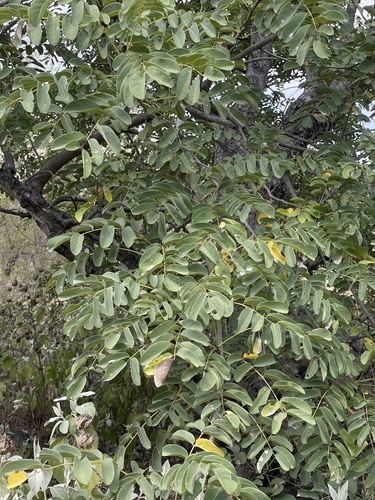
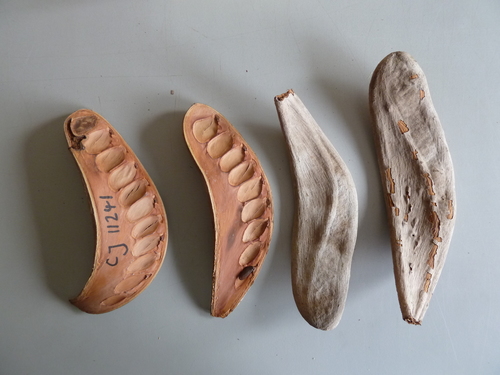
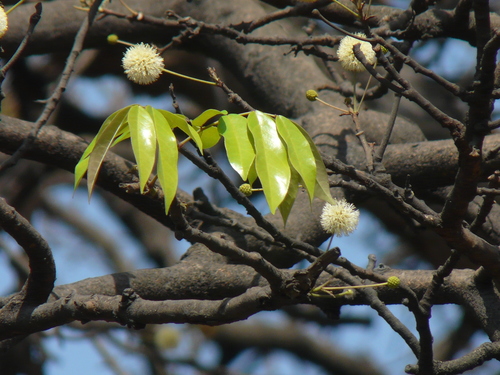
A tree. It grows 5-10 m high. The trunk is 20-30 cm across. The leaves are compound and have leaflets along the stalk. There are 4-5 pairs of leaflets. The leaflets are hairy along the veins. The leaves ae lighter underneath. They are 4-14 cm long by 1-4 cm wide. The fruit is an angled pod.
Edible Uses
The fleshy layer around the seeds is eaten fresh.
Traditional Uses
The fleshy layer around the seeds is eaten fresh.
This uses section is brief — help expand it
Distribution
It is a tropical plant. It grows in Brazil in the rainforest near the Atlantic.
Where It Grows
Argentina, Bolivia, Brazil, Central America, Colombia, Costa Rica, Ecuador, French Guiana, Guianas, Guyana, Honduras, Nicaragua, Panama, Paraguay, Peru, South America, Suriname, Uruguay, Venezuela,
Cultivation
Plants are grown from seed. The ripe fruit are gathered and the pods opened to release the seeds. Seeds will only store about 15 days. Fresh seed should be planted. They germinate in 3-5 days. Seedlings can be transplanted into the field in 3-4 months.
Production
Plants grow quickly.
Other Information
It is not a popular fruit.
Notes
Also as Mimosaceae.
Synonyms
Also Known As
Anga, Inga-banana, Inga-de-quatro-quinas, Inga-do-brejo, Ingazeiro, Inga
References (9)
- Chizmar Fernandez, C., et al, 2009, Plantas comestibles de Centroamerica. Instituto de Biodiversidad, Costa Rica. p 193
- Fouqué, A., 1972, Espèces fruitières d'Amérique tropicale. Institut français de recherches fruitierès outre-mer (As Inga uraguensis)
- Leal, M. L. et al, 2018, Knowledge, use, and disuse of unconventional food plants. Journal of Ethnobiology and Ethnomedicine (2018) 14:6
- Leon, J., 1966, Central American and West Indian Species of Inga (Leguminosae). Annals of the Missouri Botanical Garden. Vol. 53. No. 3, p. 274 (As Inga uraguensis)
- Lorenzi, H., 2002, Brazilian Trees. A Guide to the Identification and Cultivation of Brazilian Native Trees. Vol. 01 Nova Odessa, SP, Instituto Plantarum p 194
Show all 9 references Hide references
- Lorenzi, H., Bacher, L., Lacerda, M. & Sartori, S., 2006, Brazilian Fruits & Cultivated Exotics. Sao Paulo, Instituto Plantarum de Estuados da Flora Ltda. p 147
- NYBG herbarium "edible"
- Pennington, T. D., 1997, The genus Inga, botany 716. Kew Books
- Van den Eynden, V., et al, 2003, Wild Foods from South Ecuador. Economic Botany 57(4): 576-603