Averrhoa carambola
L.
Carambola
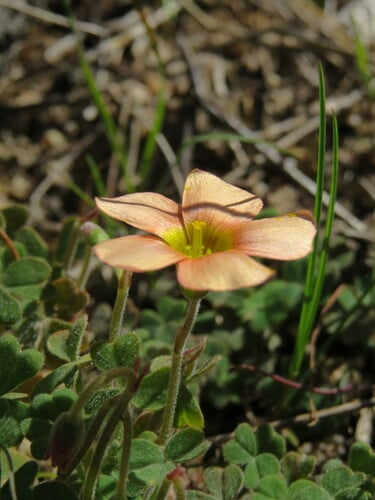
iNaturalist· cc0
no rights reserved, uploaded by 葉子
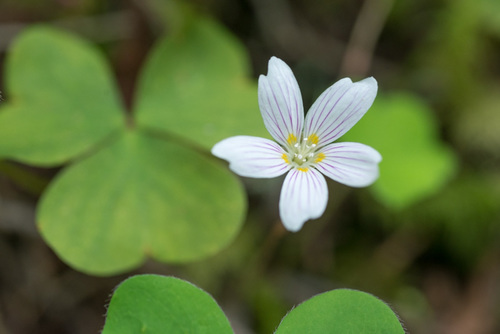
iNaturalist· cc0
no rights reserved, uploaded by 葉子
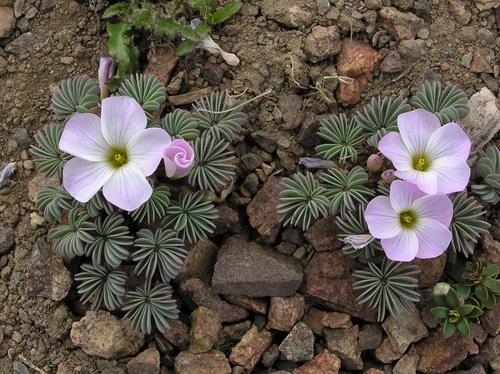
iNaturalist· cc-by-nc
(c) 周志和, some rights reserved (CC BY-NC), uploaded by 周志和
Summary
Source: WikipediaAverrhoa carambola is a species of tree in the family Oxalidaceae native to tropical Southeast Asia; it has a number of common names, including carambola, star fruit and five-corner. It is a small tree or shrub that grows 5 to 12 m (16 to 39 ft) tall, with rose to red-purple flowers. The flowers are small and bell-shaped, with five petals that have whitish edges. The flowers are often produced year round under tropical conditions. The tree is cultivated in tropical and semitropical regions for its edible fruits.
Description
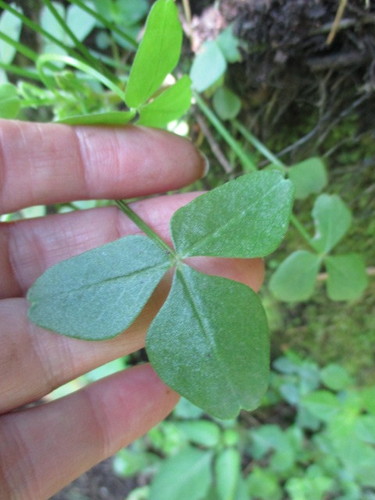
A small evergreen tree up to 6-12 m high. The trunk of the tree is short and crooked and has branches near the base. The bark is smooth and dark grey. A leaf is made up of 2 to 11 leaflets with a leaflet at the end. The leaves are darker and more shiny on the top surface. The flowers are small (8 mm long) and red and white in clusters on the small branches. The fruit are star shaped with five or six angled ridges. They are yellow and up to 16 cm long and 9 cm wide. The flesh is white. There are one or two shiny light brown seeds about 1 cm long, in the bottom of each lobe. Some carambola have short styles (female flower parts) and these types need to be cross pollinated by insects. This means two types need planting. Long style types can fertilise themselves. Fruit flavour can vary from very acid to very sweet. There are several named cultivated varieties.
Edible Uses
Edible Parts: Flowers Fruit Leaves Edible Uses: Condiment Edible portion: Fruit, Flowers, Leaves. Fruit - raw. The fruit is crisp and juicy with a waxy yellow skin when ripe. The best forms are delicious on their own, they also go very well in fruit salads, juiced and mixed with other fruits etc. The fruit flavour is enhanced by peeling off the 'wing' edges, which removes most of the oxalic acid. A quince-like fragrance. Plants can produce fruit all year round. Fruit quality is variable, though they are normally juicy. Sour forms, and slightly immature fruits, are pickled or made into a relish. The orange-yellow fruit is a large, indehiscent berry, 5-8 cm long with a characteristic shape in cross-section resembling a 5-pointed star. The fruit is up to 12.5cm x 6cm. Flowers - raw. An acid flavour, they are added to salads. They can also be made into conserves. Leaves - raw or cooked. An acid flavour, they are used as a sorrel substitute.
Traditional Uses
Fruit can be eaten raw or used for drinks. They are used in curries. They can be used for souring dishes. They are also used for jams, jellies, preserves and pickles. (They are also useful for cleaning brass.) The acid flowers are eaten in salads or made into conserves. Leaves have been eaten as a substitute for sorrel. They can be eaten with coconut milk sauce. CAUTION The fruit contain soluble oxalates.
Medicinal Uses
Abortifacient Antiasthmatic Antirheumatic Antitussive Emmenagogue Febrifuge Galactogogue Hypotensive Skin The fruit can be a laxative on account of the oxalic acid it contains. It is also used in traditional medicine for skin disorders and fevers. It is valued by Chinese communities as a remedy for high blood pressure, whilst it is also said to reduce blood sugar levels and so is of help to diabetics. The flowers are used to relieve coughs. The leaves are used to treat rheumatism. The seed is emmenagogue, galactagogue and abortifacient. The powdered seed is a good anodyne for treating asthma, colic and jaundice.
Known Hazards
Like several other plants of the family Oxalidaceae, its fruits are rich in oxalic acid, which is toxic in high concentrations. There have been reports of intoxication in dialysis and uremic patients caused by a neurotoxin called caramboxin present in the fruit. Such toxin is normally filtered by the kidneys, but patients in dialysis or suffering from kidney deficiencies may show severe symptoms, in a few cases fatal, after drinking the fruit juice.
Distribution
A tropical plant. Five corners need a warm tropical climate so they are mostly seen in the coastal lowlands below about 500m altitude. They will grow up to 1200m in the equatorial tropics. Mature trees can tolerate slight frost. Five corner can grow on several different types of soil. The soil should be well drained. It will grow on alkaline soils but is better in acid soils. Plants cannot stand water-logging. It is suited to moist places but performs better in areas where there is some dry season rather than in places with heavy, constant rain. Trees are fairly wind resistant providing the winds are not cold. Trees are stressed by temperatures near 0°C as well as above 37°C. It grows in Nepal to about 300 m altitude. In XTBG Yunnan. It suits hardiness zones 10-12.
Where It Grows
Africa, Amazon, Andamans, Asia, Australia, Bangladesh, Barbados, Bhutan, Bolivia, Brazil, Burkina Faso, Cambodia, Cameroon, Central Africa, Central America, China, Colombia, Congo DR, Cook Islands, Costa Rica, Cuba, Dominican Republic, East Africa, East Timor, Ecuador, El Salvador, Fiji, Ghana, Grenada, Guam, Guyana, Haiti, Hawaii, Himalayas, India, Indochina, Indonesia*, Japan, Jamaica, Laos, Liberia, Malaysia*, Maldives, Mariana Islands, Marquesas, Mauritius, Mexico, Micronesia, Mozambique, Myanmar, Nepal, New Zealand, Nicaragua, North America, Northeastern India, Pacific, Pakistan, Palau, Papua New Guinea, PNG, Peru, Philippines, Pohnpei, Puerto Rico, Sao Tome and Principe, SE Asia, Slovenia, Solomon Islands, South America, Sri Lanka*, St. Vincent and Grenadines, Suriname, Taiwan, Tanzania, Thailand, Timor-Leste, Tonga, Uganda, USA, Vanuatu, Vietnam, West Africa, West Indies, Yap,
Cultivation
Plants grow best in the hot humid tropics up to an elevation of around 1,200 metres, though they will tolerate some cool weather and can be grown in subtropical areas. It grows best in areas where annual daytime temperatures are within the range 24 - 30°c, but can tolerate 5 - 39°c. Mature plants can be killed by temperatures of -2°c or lower, although young growth is badly damaged at -1°c. It prefers a mean annual rainfall in the range 1,200 - 2,000mm, but tolerates 600 - 3,000mm. Prefers a position with some shade. Prefers a well-drained soil, plants are intolerant of water-logging. Plants are tolerant of a wide range of soils so long as they are slightly acid. This somewhat contradicts the reports that the plant prefers a pH in the range 5.5 - 6.5, tolerating 5 - 8.5. Requires a position sheltered from strong winds. Plants can tolerate dry periods and some wind if it is not too cold. When young, the carambola is delicate and requires careful attention. Because it is a fast-growing tree, it requires pruning and thinning of excess fruit at an early stage. Flowering continues throughout the year and fruit is available most of the year. The fruit can be very variable when plants are grown from seed, with the best forms being large and sweet and others being small and tart. Three crops per year can be obtained. Seedling varieties should start to crop in 3 - 8 years, whilst selected grafted varieties can start in only 1-2 years. Plants can crop prodigiously, and yields of up to 900 kg/year are common for 10-year-old trees. There are many named varieties. Some Brazilian cultivars have a very high content of vitamin C as well as an applicable amount of provitamin A. Production: Seedling trees fruit after 4-5 years. They can produce 400 fruit per tree. Flowers open after 14-21 days and fruit mature after 14-15 weeks. Trees live for a long time and some fruit is produced at most times of the year. Flowers and fruit can be found on the tree at most times, although there is often 2 or 3 main flushes of flowering and fruiting. Fruiting tends to be seasonal about March to May in the southern hemisphere. The tree does not require pruning or any special care once established. Flowers are cross pollinated by bees, flies and other insects. Hand pollination does not help fruit set much. Fruit once ripe will keep for 7-20 days but can be stored longer at 12°C.
Propagation
Seed - sow in a nursery seedbed and transplant into individual containers when large enough to handle. Seeds are planted in a seed bed and planted out when 15-20 cm high. They should be ready to plant out when around 6 - 12 months old. The seed has limited viability. Cool temperatures damage the seeds. Viability can be maintained for 6 months with partially dried seeds at 5°c. Because seeds are produced by cross pollination, variation is common. It is therefore better to use budding or grafting. Taking buds off good trees, or grafting twigs from them, onto 1 year old seedling roots, is the commonest method. Greenwood cuttings Budding on to 12 month old seedlings Grafting Layering. This method can produce fruiting plants within 10 months. Marcottage or air layering can also be used, although it is difficult. A spacing of 6 m x 6 m is suitable. Trees need to be grafted if sweeter kinds of fruit are to be selected.
Other Uses
Dye Fuel Mordant Rust Wood Other uses rating: Low (2/5). Backyard tree, Small flowering tree, large container tree, Courtyard, Large conservatory. Other Uses In some countries, the fruit juice is used to remove stains, for example iron rust from linen cloth. It can also be used for polishing brass. The fresh juice is an effective stain remover. Unripe fruits contain potassium oxalate, which is used in dyeing. The whitish wood is soft. Generally only available in small dimensions, it is sometimes used for timber in construction and for making small implements, furniture etc. The wood is a suitable candidate for firewood. Special Uses Food Forest
Production
Seedling trees fruit after 4-5 years. They can produce 400 fruit per tree. Flowers open after 14-21 days and fruit mature after 14-15 weeks. Trees live for a long time and some fruit is produced at most times of the year. Flowers and fruit can be found on the tree at most times, although there is often 2 or 3 main flushes of flowering and fruiting. Fruiting tends to be seasonal about March to May in the southern hemisphere. The tree does not require pruning or any special care once established. Flowers are cross pollinated by bees, flies and other insects. Hand pollination does not help fruit set much. Fruit once ripe will keep for 7-20 days but can be stored longer at 12°C.
Other Information
Trees are moderately common in coastal areas of Papua New Guinea. Types vary in their sweetness. They are sold in local and global markets. It is cultivated.
Notes
There are 5 Averrhoa species. It contains 29.25 mg alpha-tocopherol (Vitamin E) per 100 g in the leaves.
Nutrition
| Part | Moisture | kJ | kcal | Protein | Vit A | Vit C | Iron | Zinc |
|---|---|---|---|---|---|---|---|---|
| Fruit | 90.8 | 149 | 36 | 0.5 | 300 | 40 | 1 | 0.1 |
| Flowers | — | — | — | — | — | — | — | — |
| Leaves | — | — | — | — | — | — | — | — |
Synonyms
Also Known As
Amrak, Ansu, Balimbieng manih, Balimbing, Balingbing, Belimbing manis, Belimbing sagi, Bikembines, Blimbing alas, Calingcing amis, Camaranga, Cambaranka, Coromandel, Dusma tahpla, Five-cornered fruit, Fivesider, Fransman birambi, Fuang, Hainijom, Kaamaranga, Kamarakh, Kamaranga, Kamrakh, Kamranga, Kamrenga, Kam rangthai, Kandasagadam, Karambola, Kardoi, Khamrak, Khe, Kordoi, Ma fueang, Ma-fueng, Mafen, Mafuang, Mak fu yang, Mak-hpung, Moyabo, Paka paka, Sisam, Sonosambal, Spo, Spu, Star Fruit, Thei-helh-hot, Torte, Wi ni Idia, Zaung-yar
References (165)
- Carambola or Five corner references
- AAK, 1980, Bertanam Pohon Buah-buahan. Penerbitan Yayasan Kanisius, Jogyakarta. p 15
- Abbiw, D.K., 1990, Useful Plants of Ghana. West African uses of wild and cultivated plants. Intermediate Technology Publications and the Royal Botanic Gardens, Kew. p 42
- Alexander, D.M., Scholefield, P.B., Frodsham, A., 1982, Some tree fruits for tropical Australia. CSIRO, Australia. p 15
- Allen , B.M., 1975, Common Malaysian fruits. Longmans p 31.
Show all 165 references Hide references
- Ambasta S.P. (Ed.), 2000, The Useful Plants of India. CSIR India. p 63
- Anderson, E. F., 1993, Plants and people of the Golden Triangle. Dioscorides Press. p 203
- Arora, R. K., 2014, Diversity in Underutilized Plant Species - An Asia-Pacific Perspective. Bioversity International. p 59
- Baishya, S. Kr., et al, 2013, Survey of Wild Edible Fruits of Dhubri District, Assam, India. Plant Archives Vol 13 (1): 155-158
- Bajpai, O., et al, 2015, Tree species of the Himalayan Terai region of Uttar Pradesh, India: a checklist. Check List 11(4): 1718
- Balkrishna, A., et al, 2022, Indigenous Uses of Plants among Forest-dependent Communities of Seijosa, Arunachal Pradesh. International Journal of Economic Plants 2022, 9(1):064-080
- Banerjee, A., et al, 2013, Ethnobotanical Documentation of Some Wild Edible Plants in Bankura District, West Bengal, India. The Journal of Ethnobiology and Traditional Medicine. Photon 120 (2013) 585-590
- Barwick, M., 2004, Tropical and Subtropical Trees. A Worldwide Encyclopedic Guide. Thames and Hudson p 38
- Bircher, A. G. & Bircher, W. H., 2000, Encyclopedia of Fruit Trees and Edible Flowering Plants in Egypt and the Subtropics. AUC Press. p 49
- Blench, R., 2004, Fruits and Arboriculture in the Indo-Pacific Region. Indo-Pacific Prehistory Association Bulletin 24. (Taipei Papers Volume 2) p 35
- Bodkin, F., 1991, Encyclopedia Botanica. Cornstalk publishing, p 120
- Bohra, N., et al, 2017, Ethnobotany of wild edible plants traditionally used by the local people in the Ramnagar regions from Nainital District, Uttarakhand, India. Biolife 5(1): 12-19
- Borrell, O.W., 1989, An Annotated Checklist of the Flora of Kairiru Island, New Guinea. Marcellin College, Victoria Australia. p 57
- Brahma, S., et al, 2013, Wild edible fruits of Kokrajhar district of Assam, North-East India, Asian Journal of Plant Science and Research 3(6):95-100
- Bremness, L., 1994, Herbs. Collins Eyewitness Handbooks. Harper Collins. p 39
- Brouk, B., 1975, Plants Consumed by man Academic. p 163.
- Brown, W.H., 1920, Wild Food Plants of the Philippines. Bureau of Forestry Bulletin No. 21 Manila. p 74
- Brown, 1951, Useful Plants of the Philippines. p 185.
- 1977, Buah Buahan. Lembaga Biologi Nasional p 18
- Burkill, H. M., 1985, The useful plants of west tropical Africa, Vol. 4. Kew.
- Burkill, I.H., 1935, A Dictionary of the Economic Products of the Malay Peninsula. p 273
- Chandrashekara, U. M., 2009, Tree species yielding edible fruit in the coffee-based homegardens of Kerala, India: their diversity, uses and management. Food Sec. 1:361-370
- Cheifetz, A., (ed), 1999, 500 popular vegetables, herbs, fruits and nuts for Australian Gardeners. Random House p 173
- Chin, H.F., & Yong, H.S., 1996, Malaysian Fruits in Colour. Tropical press, Kuala Lumpur p 53
- Ching, L. S. & Mohamed, S., 2001, Alpha-Tocopherol Content in 62 Edible Tropical Plants. J. Agric. Food Chem. 2001, 49, 3101−3105 (NB Naming confused)
- Coe, F. G. & Anderson, G. J., 1997, Ethnobotany of the Miskitu of Eastern Nicaragua. Journal of Ethnobiology 17(2): 171-214
- Corner, E.J.H., 1940, Wayside Trees of Malaya. p 516
- Coronel, R.E., 1982, Fruit Collections in the Philippines. IBPGR Newsletter p 6
- Crevost & Lemarie, 1917, Cat. Prod Indochina p 199
- Cull, B.W., 1995, Fruit Growing in Warm Climates. Reed. p 153
- Cundall, P., (ed.), 2004, Gardening Australia: flora: the gardener's bible. ABC Books. p 210
- D'Ambrosio, U., & Puri, R. K., 2016, Foodways in transition: food plants, diet and local perceptions of change in a Costa Rican Ngäbe community. Journal of Ethnobiology and Ethnomedicine (2016) 12:3 p 27
- Darley, J.J., 1993, Know and Enjoy Tropical Fruit. P & S Publishers. p 21
- Das, S. and De, B., 2013, Evaluation of Angiotension I-Converting Enzyme (ACE) inhibitory potential of some underutilized indigenous fruits of West Bengal using an in vitro model. Fruits, Vol. 68:499-506
- Devi, O.S., P. Komor & D. Das, 2010, A checklist of traditional edible bio-resources from Ima markets of Imphal Valley, Manipur, India. Journal of Threatened Taxa 2(11): 1291-1296
- Dobriyal, M. J. R. & Dobriyal, R., 2014, Non Wood Forest Produce an Option for Ethnic Food and Nutritional Security in India. Int. J. of Usuf. Mngt. 15(1):17-37
- Engel, D.H., & Phummai, S., 2000, A Field Guide to Tropical Plants of Asia. Timber Press. p 123, 188
- Etherington, K., & Imwold, D., (Eds), 2001, Botanica's Trees & Shrubs. The illustrated A-Z of over 8500 trees and shrubs. Random House, Australia. p 109
- Ethnobotany of Karbis. Chapter 4 in p 103
- Facciola, S., 1998, Cornucopia 2: a Source Book of Edible Plants. Kampong Publications, p 45
- Flowerdew, B., 2000, Complete Fruit Book. Kyle Cathie Ltd., London. p 158
- French, B.R., 1986, Food Plants of Papua New Guinea, Asia Pacific Science Foundation p 221
- French, B.R., 2010, Food Plants of Solomon Islands. A Compendium. Food Plants International Inc. p 224
- Garner, R.J., and Chaudhri, S.A., (Ed.) 1976, The Propagation of Tropical fruit Trees. FAO/CAB. p 291
- Gilliland, H.B., 1962, Common Malayan Plants. Univ of Malaya. p 25
- Gouldstone, S., 1983, Growing your own Food-bearing Plants in Australia. Macmillan p 129
- Guite, C., 2016, A study of wild edible plants associated with the Paite tribe of Manipur, India, International Journal of Current Research. Vol. 8, Issue, 11, pp. 40927-40932
- Hazarika, T. K., et al, 2012, Studies on wild fruits of Mizoram, India used as ethno-medicines. Genetic Resources and Crop Evolution. Published on line 03 February, 2012
- Hazarika, B. et al. (2020). An overview of the unexplored underutilized fruit crops of Assam, India. Journal of Applied and Natural Science, 12(3): 442 - 453.
- Hearne, D.A., & Rance, S.J., 1975, Trees for Darwin and Northern Australia. AGPS, Canberra p 27, Pl 7
- Hedricks, U.P., (ed) 1919, Sturtevant’s Edible Plants of the World. Dover. p 79
- Hooker, Flora British India 1 p 439
- Hu, Shiu-ying, 2005, Food Plants of China. The Chinese University Press. p 490
- Hwang, L. C., et al, 2020, Traditional Botanical Uses of Non-Timber Forest Products (NTFP) in Seven Counties in Liberia. ACS Symposium Series; American Chemical Society: Washington, DC, 2020.
- INFOODS:FAO/INFOODS Databases
- Jacquat, C., 1990, Plants from the Markets of Thailand. D.K. Book House p 72
- Jahan, S. et al, 2011, Nutritional Profile of Some Tropical Fruits in Bangladesh: Specially Anti-Oxidant Vitamins and Minerals. Bangladesh Journal of Medical Science Vol. 10 No. 2
- Jardin, C., 1970, List of Foods Used In Africa, FAO Nutrition Information Document Series No 2.p 122
- Johns, L. & Stevenson, V., 1979, The Complete Book of Fruit. Angus & Robertson. p 97
- Katende, A.B., Birnie, A & Tengnas B., 1995, Useful Trees and Shrubs for Uganda. Identification, Propagation and Management for Agricultural and Pastoral Communities. Technical handbook No 10. Regional Soil Conservation Unit, Nairobi, Kenya. p 116
- Khan, D. & Shaukat, S.S., 2006, The Fruits of Pakistan: Diversity, Distribution, Trends of Production and Use. Int. J. Biol. Biotech., 3(3):463-499
- Kiple, K.F. & Ornelas, K.C., (eds), 2000, The Cambridge World History of Food. CUP p 1745
- Knight, R.J., Jr. , 1966, Heterostyly and pollination in carambola. Proc. Fla. St. Hort. Soc. 78:375-81.
- Krishen P., 2006, Trees of Delhi, A Field Guide. DK Books. p 254
- Latham, P., 2004, Useful Plants of Bas-Congo province. Latham & DFID p 44
- Latham, P. & Mbuta, A. K., 2014, Useful Plants of Bas-Congo Province, Democratic Republic of Congo. Volume 1. Salvation Army. p 65
- Latham, P. & Mbuta, A. K., 2017, Plants of Kongo Central Province, Democratic Republic of Congo. Volume 1. 3rd ed p 71
- Lazarides, M. & Hince, B., 1993, Handbook of Economic Plants of Australia, CSIRO. p 29
- Lembaga Biologi Nasional, 1977, Buah-Buahan, Balai Pustaka, Jakarta. p 18
- Leon, J., 1968, Fundamentos Botanicos de los Cultivos tropicales. p 356
- Liu, Yi-tao, & Long, Chun-Lin, 2002, Studies on Edible Flowers Consumed by Ethnic Groups in Yunnan. Acta Botanica Yunnanica. 24(1):41-56
- Llamas, K.A., 2003, Tropical Flowering Plants. Timber Press. p 306
- Loh, D.W., 1968, in Liklik Buk. Melanesian Council of Churches.
- Lorenzi, H., Bacher, L., Lacerda, M. & Sartori, S., 2006, Brazilian Fruits & Cultivated Exotics. Sao Paulo, Instituto Plantarum de Estuados da Flora Ltda. p 467
- Luczaj, L., et al, 2021, Wild food plants and fungi sold in the markets of Luang Prabang, Lao PDR. Journal of Ethnobiology and Ethnomedicine (2021) 17:6
- Lyle, S., 2006, Discovering fruit and nuts. Land Links. p 85
- Macmillan, H.F. (Revised Barlow, H.S., et al) 1991, Tropical Planting and Gardening. Sixth edition. Malayan Nature Society. Kuala Lumpur. p 293
- Manandhar, N.P., 2002, Plants and People of Nepal. Timber Press. Portland, Oregon. p 102
- Martin, F. W., et al, 1987, Perennial Edible Fruits of the Tropics. USDA Handbook 642 p 46
- Martin, M.A., 1971, Introduction L'Ethnobotanique du Cambodge. Centre National de la Recherche Scientifique. Paris.
- Medhi, P. & Borthakur, S. K., 2012, Phytoresources from North Cachur Hills of Assam -3: Edible plants sold at Hflong market. Indian Journal of Natural Products and Resources. 3(1) pp 84-109
- Morton, J. F., 1987, Fruits of Warm Climates. Wipf & Stock Publishers p 125
- Mukhia, P.K., et al, 2013, Wild plants as Non Wood Forest Products used by the rural community of Dagana, a southern foothill district of Bhutan, SAARC Journal, 27 pages
- Naik. K.C., 1949, South Indian Fruits and their culture. Varadachary. p
- Nand, D., 1970, Flowering and bearing behaviour of carambola (Averrhoa carambola L.). Indian J. Hort. 27:145-52.
- Nand, D., 1971, Pollination, fruit set and fruit development in carambola carambola (Averrhoa carambola L.). Indian J. Hort. 28:278-84.
- Nathan, A., & Wong Y Chee, 1987, A Guide to Fruits and Seeds, Singapore Science Centre. p 56
- Neal, C.M., 1965, In Gardens of Hawaii, Bishop Museum Press. p 471
- Niwano, Y. et al., 2009, Extensive Screening for Plant Foodstuffs in Okinawa, Japan with Anti-Obese Activity on Adipocytes, in vitro. Plant Foods in Human Nutrition 64:6-10
- Norrington, L., & Campbell, C., 2001, Tropical Food Gardens. Bloomings Books. p 96
- Ochse, J.J., 1930, Fruits and Fruit Culture in the Dutch East Indies. p
- Ochse, J.J., Dijkman, M.J., Soule, M.J. & Wehlburg,C., 1961, Tropical and Subtropical Agriculture. p 690
- Omawale, 1973, Guyana's edible plants. Guyana University, Georgetown p 16
- Owen, S., 1993, Indonesian Food and Cookery, INDIRA reprints. p 48
- Pasha, M. K. & Uddin, S. B., 2019, Minor Edible Fruits of Bangladesh. Bangladesh J. Plant Taxon. 26(2): 299–313
- Patiri, B. & Borah, A., 2007, Wild Edible Plants of Assam. Geethaki Publishers. p 20
- Payne, S & W., 1979, Cooking with Exotic Fruit. Batsford. p
- Paz, F. S., et al, 2021, Edible Fruit Plant Species in the Amazon Forest Rely Mostly on Bees and Beetles as Pollinators. Journal of Economic Entomology, XX(XX), 2021, 1–13
- Peekel, P.G., 1984, (Translation E.E.Henty), Flora of the Bismarck Archipelago for Naturalists, Division of Botany, Lae, PNG. p 265, 264
- de Peralta, 1928, Philipp. Agriculturalist 17 p 334.
- Phon, P., 2000, Plants used in Cambodia. © Pauline Dy Phon, Phnom Penh, Cambodia. p 55
- Plants of Haiti Smithsonian Institute http://botany.si.edu/antilles/West Indies
- Poponoe, W., 1920, Manual of Tropical and Subtropical fruits. Macmillan. p
- Priyadi, H., et al, Five hundred plant species in Gunung Halimun Salak National Park West Java. A checklist including Sundanese names, distribution and use. CIFOR, FFPRI, SLU p 19
- PROSEA (Plant Resources of South East Asia) handbook, Volume 2, 1991, Edible fruits and nut. p 96
- Purseglove, N.W., 1968, Tropical Crops: Dicotyledons. p 638
- Rajapaksha, U., 1998, Traditional Food Plants in Sri Lanka. HARTI, Sri Lanka. p 351
- Rashid, H. E., 1977, Geography of Bangladesh. Westview. p 347
- Recher, P, 2001, Fruit Spirit Botanical Gardens Plant Index. www.nrg.com.au/~recher/ seedlist.html p 1
- Ridley, H.N., 1925, Flora of the Malay Peninsula p 331
- Roa, J. A. G. & Boada, D. S. G., 2018, Fundación para el Fortalecimiento de la Fruticultura y Plantas Alimenticias no Convencionales en Colombia.
- Safford, W.E., 1905, Useful Plants of Guam. Contrib. US Nat. Herb., p 192
- Sarma, H., et al, 2010, Updated Estimates of Wild Edible and Threatened Plants of Assam: A Meta-analysis. International Journal of Botany 6(4): 414-423
- Segura, S., et al, 2018, The edible fruit species in Mexico. Genet Resour Crop Evol (2018) 65:1767–1793
- Selvam, V., 2007, Trees and shrubs of the Maldives. RAP Publication No. 2007/12 p 36
- Sharma, B.B., 2005, Growing fruits and vegetables. Publications Division. Ministry of Information and broadcasting. India. p 31
- Simpson and Arentz, 1982, in Bourke, M. (ed) Proc 2nd PNG Food Crops Conf.
- Singh, R., 1969, Fruits. Book Trust of India. p
- Siong, K. H., 2003, Indigenous Fruits of Sarawak. Forest Department Sarawak. p 112
- Solomon, C., 2001, Encyclopedia of Asian Food. New Holland. p 364
- Sp. pl. 1:428. 1753
- Staples, G.W. and Herbst, D.R., 2005, A tropical Garden Flora. Bishop Museum Press, Honolulu, Hawaii. p 447 (Drawing)
- Stephens, S.E., 1936, Some Tropical fruits. No 7 The five corner. Qld. Agric. J., 45:270-271.
- Sujanapal, P., & Sankaran, K. V., 2016, Common Plants of Maldives. FAO & Kerala FRI, p 47
- Sujarwo, W., et al, 2016, Traditional knowledge of wild and semi-wild edible plants used in Bali (Indonesia) to maintain biological and cultural diversity. Plant Biosystems, 2016, Vol. 150, No. 5, 971-976
- Sukarya, D. G., (Ed.) 2013, 3,500 Plant Species of the Botanic Gardens of Indonesia. LIPI p 141
- Sukenti, K., et al, 2016, Ethnobotanical study on local cuisine of the Sasak tribe in Lombok Island, Indonesia. Journal of Ethnic Foods. 3 (2016) 189-200 p 198
- Suwardi, A. B., et al, 2020, Ethnobotany and conservation of indigenous edible fruit plants in South Aceh, Indonesia. Biodiversitas Vol. 21, No. 5, pp 1850-1860
- Swaminathan, M.S., and Kochnar, S.L., 2007, An Atlas of Major Flowering Trees in India. Macmillan. p 84
- Tanaka, T., 1976, Tanaka’s Cyclopedia of Edible Plants of the World. Keigaku. p
- Tankard, G., 1990, Tropical fruit. An Australian Guide to Growing and using exotic fruit. Viking p 34
- Tarepe and Bourke , 1982, in Bourke, M. (ed) Proc 2nd PNG Food Crops Conf.
- Teron, R. & Borthakur, S. K., 2016, Edible Medicines: An Exploration of Medicinal Plants in Dietary Practices of Karbi Tribal Population of Assam, Northeast India. In Mondal, N. & Sen, J.(Ed.) Nutrition and Health among tribal populations of India. p 149
- Terra, G.J.A., 1973, Tropical Vegetables. Communication 54e Royal Tropical Institute, Amsterdam, p 27
- Tidbury , G.E., 1976, in Garmer, R.J., et al. The Propagation of Tropical fruit Trees. FAO/CAB p 291.
- Tomar, A., Kumar, A., & Dubey, K., 2002, Underutilized Wild Edible fruits of Nutritional and Medicinal Value. J. Res. Educ. Indian Med., Vol XX1
- Torre, de la, L., et al, 2008, Enciclopedia de las Plantas Útiles del Ecuador. Herbario QCA. Pontificia Universidad Católica del Ecuador. p 481
- Tsering, J., et al, 2017, Ethnobotanical appraisal on wild edible plants used by the Monpa community of Arunchal Pradesh. Indian Journal of Traditional Knowledge. Vol 16(4), October 2017, pp 626-637
- Tyagi, R. K., et al, 2004, Conservation of Spices Germplasm in India. Indian J. Plant Genet. Resour. 17(3): 163-174
- Uphof, J.C., 1968, Dictionary of Economic Plants. J. Cramer.
- USDA, ARS, National Genetic Resources Program. Germplasm Resources Information Network - (GRIN). [Online Database] National Germplasm Resources Laboratory, Beltsville, Maryland. Available: www.ars-grin.gov/cgi-bin/npgs/html/econ.pl (10 April 2000)
- Vael, L., 2015, Ethnobotanical study of the plant use in the natural landscape of two mestizo communities in the Ucayali region of the Peruvian Amazon. Universiteit Gent.
- van Wyk, B., 2005, Food Plants of the World. An illustrated guide. Timber press. p 82
- Vasquez, R. and Gentry, A. H., 1989, Use and Misuse of Forest-harvested Fruits in the Iquitos Area. Conservation Biology 3(4): 350f
- Vivien, J., & Faure, J.J., 1996, Fruitiers Sauvages d'Afrique. Especes du Cameroun. CTA p 253
- Walter, A. & Lebot, V., 2007, Gardens of Oceania. ACIAR Monograph No. 122. p 121
- 1948, Wealth of India. p 139
- Wester, 1920, Philippine Agric. Rev. 13, p
- Wiersema, J. H. & Leon, B., 2013, World Economic Plants. A Standard Reference CRC Press. 2nd Ed. p 87
- Wijayakusuma, H.M.H., et al, 1996, Tanaman Berkhasiat Obat Di Indonesia. Pustaka Kartini. p 26
- Williams, C.N. & Chew, W.Y., 1979, Tree and Field crops of the Wetter Regions of the Tropics.
- Williams, C.N., Chew, W.Y., and Rajaratnam, J.A., 1989, Tree and Field Crops of the Wetter Regions of the Tropics. Longman, p 121
- World Checklist of Useful Plant Species 2020. Royal Botanic Gardens, Kew
- www.worldagroforestrycentre.org/treedb/
- Xu, You-Kai, et al, 2004, Wild Vegetable Resources and Market Survey in Xishuangbanna, Southwest China. Economic Botany. 58(4): 647-667.
- Young, J., (Ed.), 2001, Botanica's Pocket Trees and Shrubs. Random House. p 118
- Yuncker, T.G., 1959, Plants of Tonga, Bernice P. Bishop Museum, Hawaii, Bulletin 220. p 151
- Zambrana, P, et al, 2017, Traditional knowledge hiding in plain sight – twenty-first century ethnobotany of the Chácobo in Beni, Bolivia. Journal of Ethnobiology and Ethnomedicine (2017) 13:57
- Zawiah, N. & Othaman, H., 2012, 99 Spesies Buah di FRIM. Institut Penyelidikan Perhutanan Malaysia. p 44
- Zeven, A. C. & de West, J. M. J., 1982, Dictionary of cultivated plants and their regions of diversity. Wageningen. p 50