Lithomyrtus obtusa
(Endl.) N. Snow & Guymer
Beach myrtella, Cowley myrtle
iNaturalist· cc-by
(c) Jane Canaway, some rights reserved (CC BY), uploaded by Jane Canaway
iNaturalist· cc-by-nc
(c) Geoffrey Sinclair, some rights reserved (CC BY-NC), uploaded by Geoffrey Sinclair
iNaturalist· cc-by-nc
(c) Geoffrey Sinclair, some rights reserved (CC BY-NC), uploaded by Geoffrey Sinclair
Summary
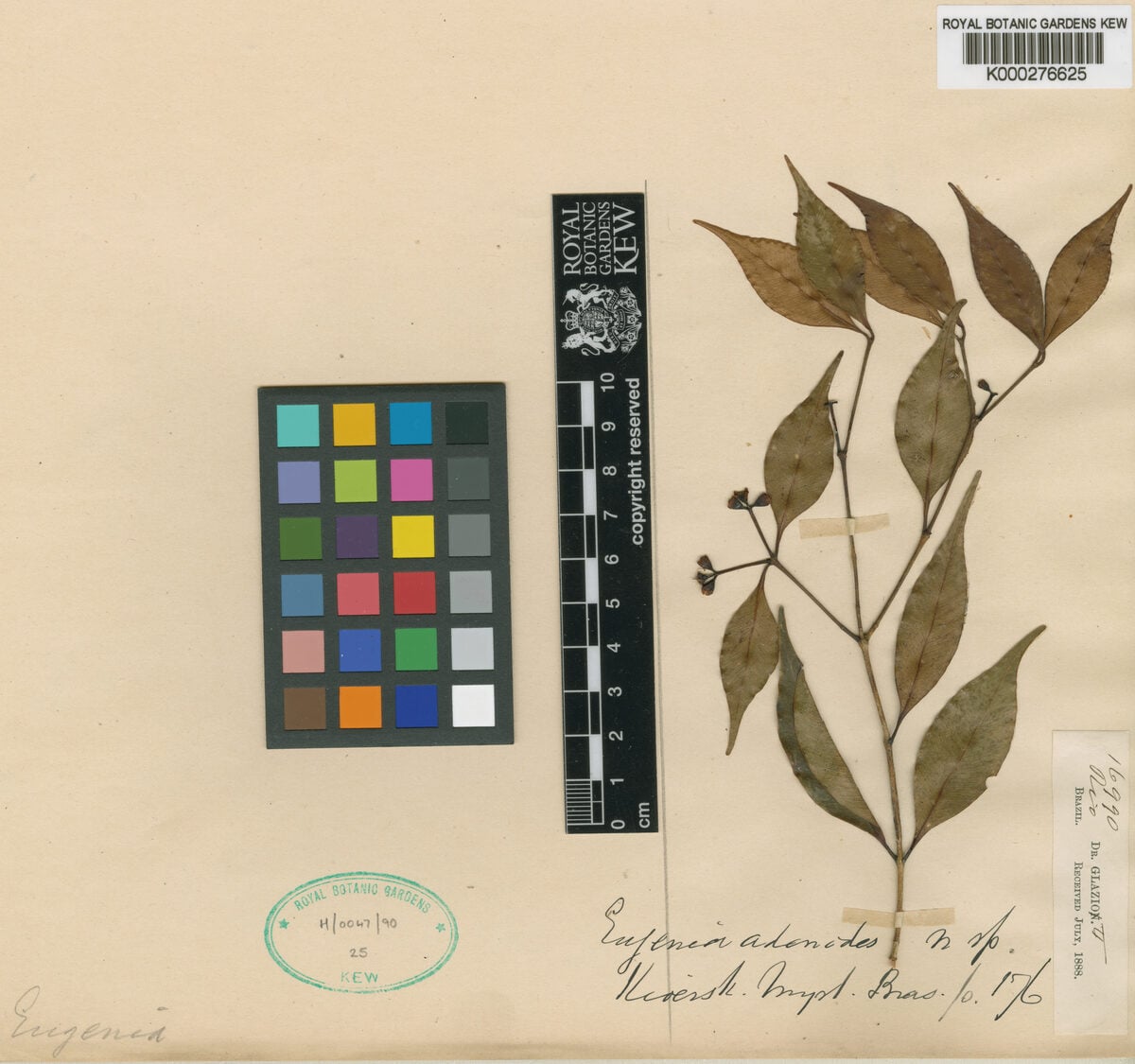
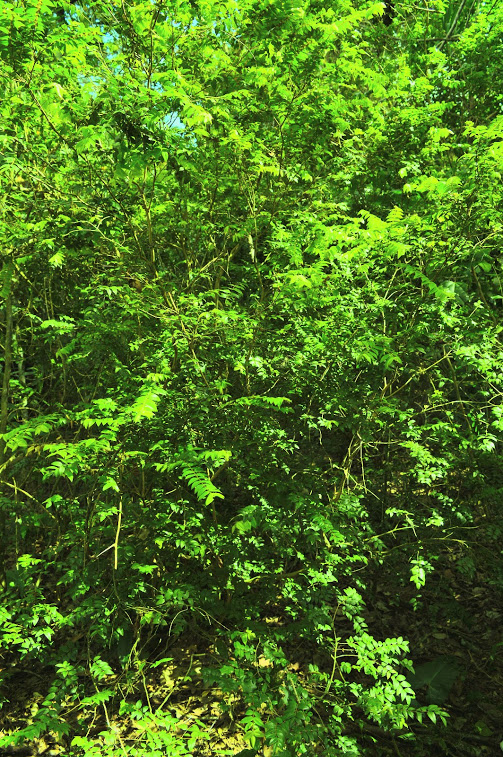
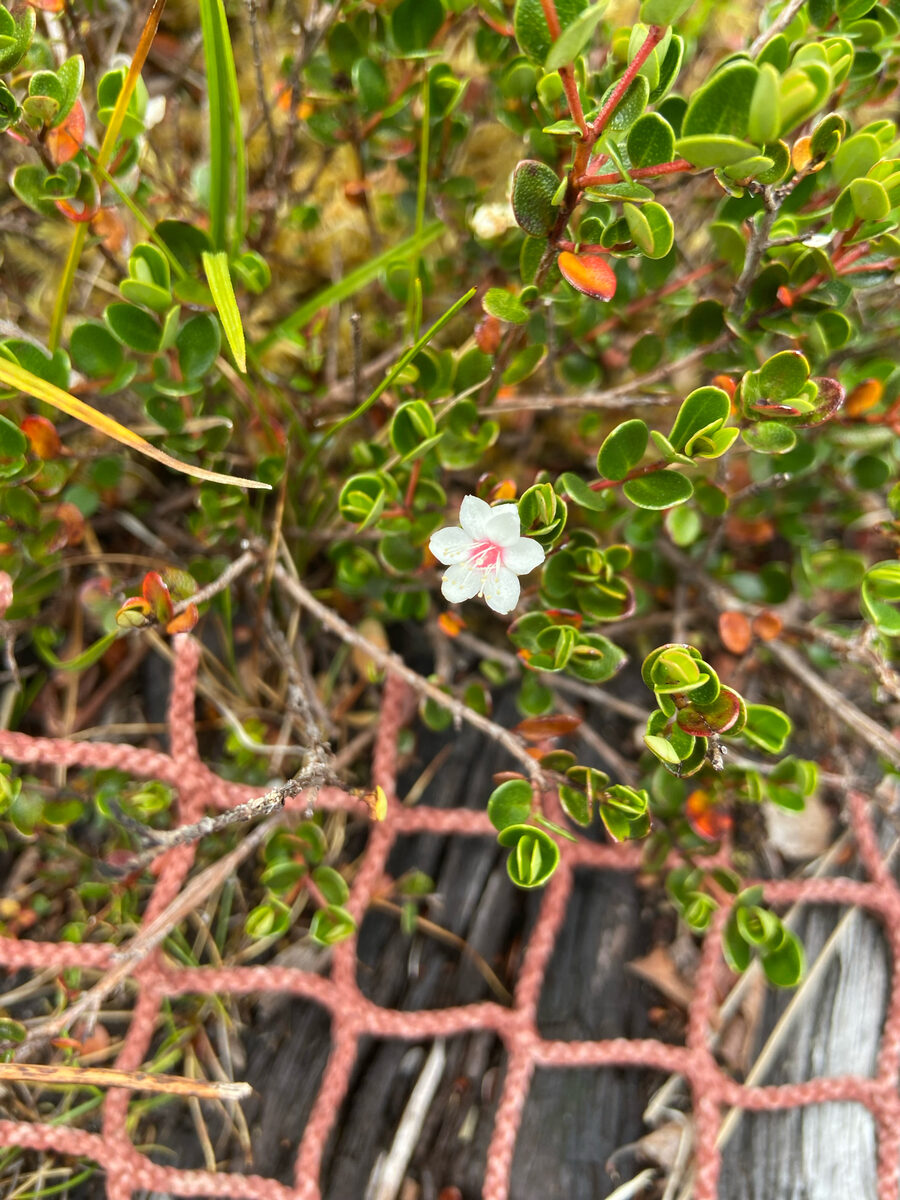
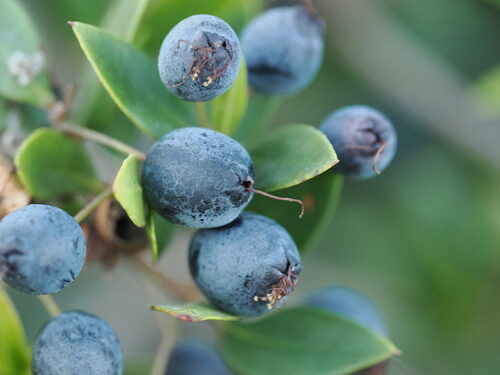
Source: WikipediaLithomyrtus obtusa, commonly known as beach myrtella, is a flowering plant species in the myrtle family, Myrtaceae. It occurs in coastal areas in New Guinea and Queensland, Australia. It is a shrub that grows to between 1 and 2 metres high. Leaves have recurved edges and are hairy on the underside. Pink flowers appear between January and September in the species' native range. These are followed by globose to cylindrical fruit with a persistent calyx. In 1770, plant material was collected at Cape Grafton, Endeavour River and Point Lookout (14°49′S 145°13′E) (not to be confused with Point Lookout, also named by Cook), by botanists Joseph Banks and Daniel Solander during Lieutenant James Cook's first voyage of discovery. However, the species was not formally described until 1834 by Austrian botanist Stephan Endlicher who gave it the name Fenzlia obtusa. The species was transferred to the genus Myrtella in 1978 and subsequently to the genus Lithomyrtus in 1999.
Description
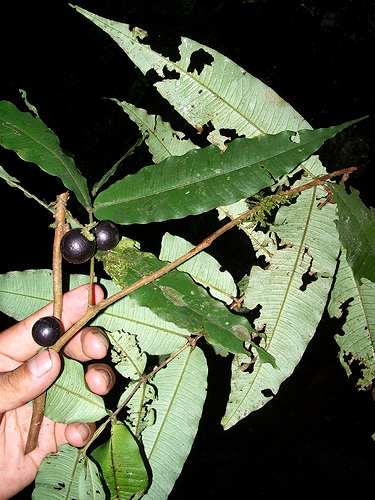
A bushy little shrub. It grows about 1-2 m tall. New growth has soft hairs. The leaves are opposite. They have white or brown hairs. The leaves are dull green. They are narrowly oval and 2-4 cm long by 1-1.3 cm wide. They are leathery. The flowers are pink. They occur singly in the axils of leaves. They have large showy, pink petals. The fruit are hard round berries. They are about 1 cm long.
Edible Uses
The fruit are eaten.
Distribution
A tropical plant. It grows along the foreshores in tropical Queensland. It grows near the coastal sandy woodland.
Where It Grows
Australia*, Papua New Guinea, PNG,
Cultivation
Seeds germinate easily.
Production
Plants grow slowly.
Synonyms
References (5)
- Cribb, A.B. & J.W., 1976, Wild Food in Australia, Fontana. p 75 (As Fenzlia obtusa)
- Hinton, B & B., 1982, A Wilderness in Bloom. Wildflowers of tropical Australia. p 6 (As Fenzlia obtusa)
- http://florafnq.wordpress.com/2011/10/21/lithomyrtus-obtusa-myrtaceae/
- Low, T., 1992, Bush Tucker. Australia’s Wild Food Harvest. Angus & Robertson. p 16 (As Fenzlia obtusa)
- Melzer, R. & Plumb, J., 2011, Plants of Capricornia. Belgamba, Rockhampton. p 250