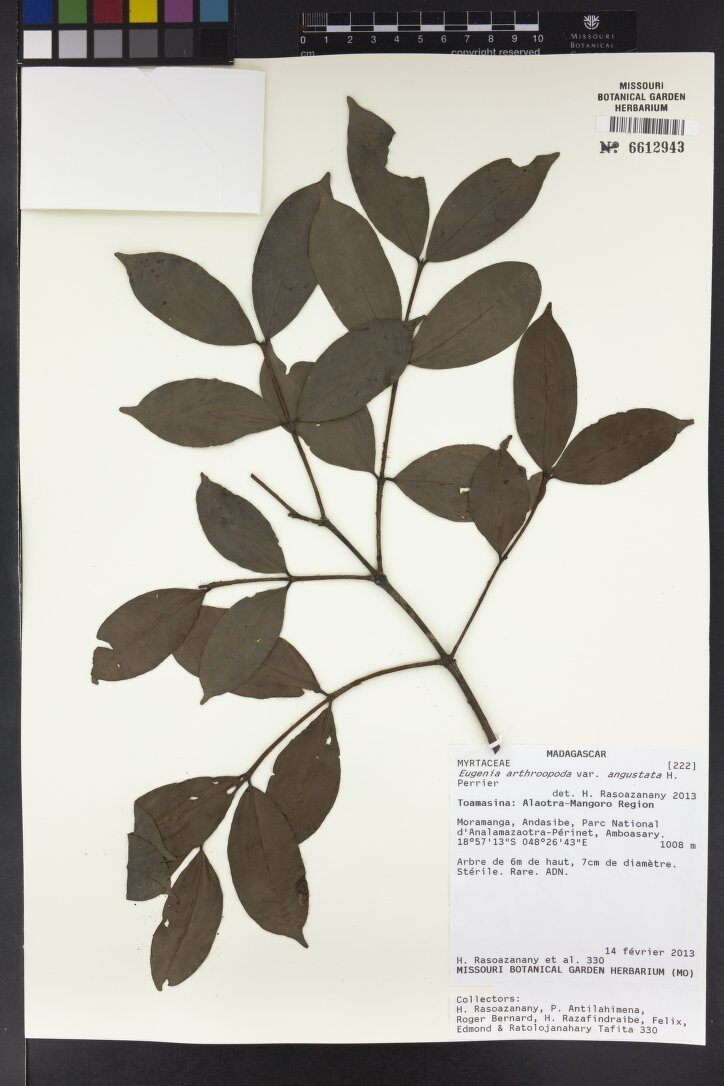
Lophomyrtus x ralphii - (Hook.f.)Burret.
(Hook.f.)Burret.
gbif· cc-by-nc
naturalistchu
gbif· cc-by-nc
naturalistchu
gbif· cc-by-nc
naturalistchu
Description
Lophomyrtus x ralphii is an evergreen Shrub growing to 5 m (16ft) by 3 m (9ft). See above for USDA hardiness. It is hardy to UK zone 9. It is in leaf all year, in flower from May to June. The species is hermaphrodite (has both male and female organs). Suitable for: light (sandy), medium (loamy) and heavy (clay) soils. Suitable pH: mildly acid, neutral and basic (mildly alkaline) soils. It cannot grow in the shade. It prefers moist soil.
Edible Uses
Fruit - raw or cooked. They are sweet and pleasant with a slightly aromatic flavour when they are fully ripe. The fruit is berry about 7mm in diameter containing a number of small but very hard seeds. We have seen plants of the cultivar 'Sundae' still bearing fruit in the early spring.
Distribution
New Zealand.
Where It Grows
New Zealand.
Cultivation
Succeeds in any soil of reasonably good quality. Prefers a sheltered position in full sun in a moderately fertile well-drained soil enriched with leafmould. A naturally occurring hybrid of Lophomyrtus bullata x Lophomyrtus obcordata. Plants are scarcely hardy at Kew but they succeed outdoors in the milder parts of the country, tolerating temperatures down to about -5°c. Growth can be restricted by cutting the plant back in spring.
Propagation
Seed - we have no information on this species but suggest sowing the seed in a warm greenhouse in late winter or early spring. When they are large enough to handle, prick the seedlings out into individual pots and grow them on in the greenhouse for at least their first winter. Plant them out into their permanent positions in late spring or early summer, after the last expected frosts. Give the plants some protection from the cold for at least their first winter outdoors. Cuttings of half-ripe wood, July/August in sand in a frame. Cuttings of mature wood, late autumn in a frame. Basal cuttings are used. Layering.