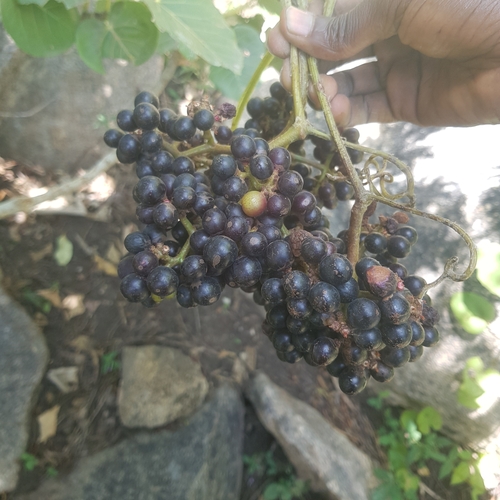
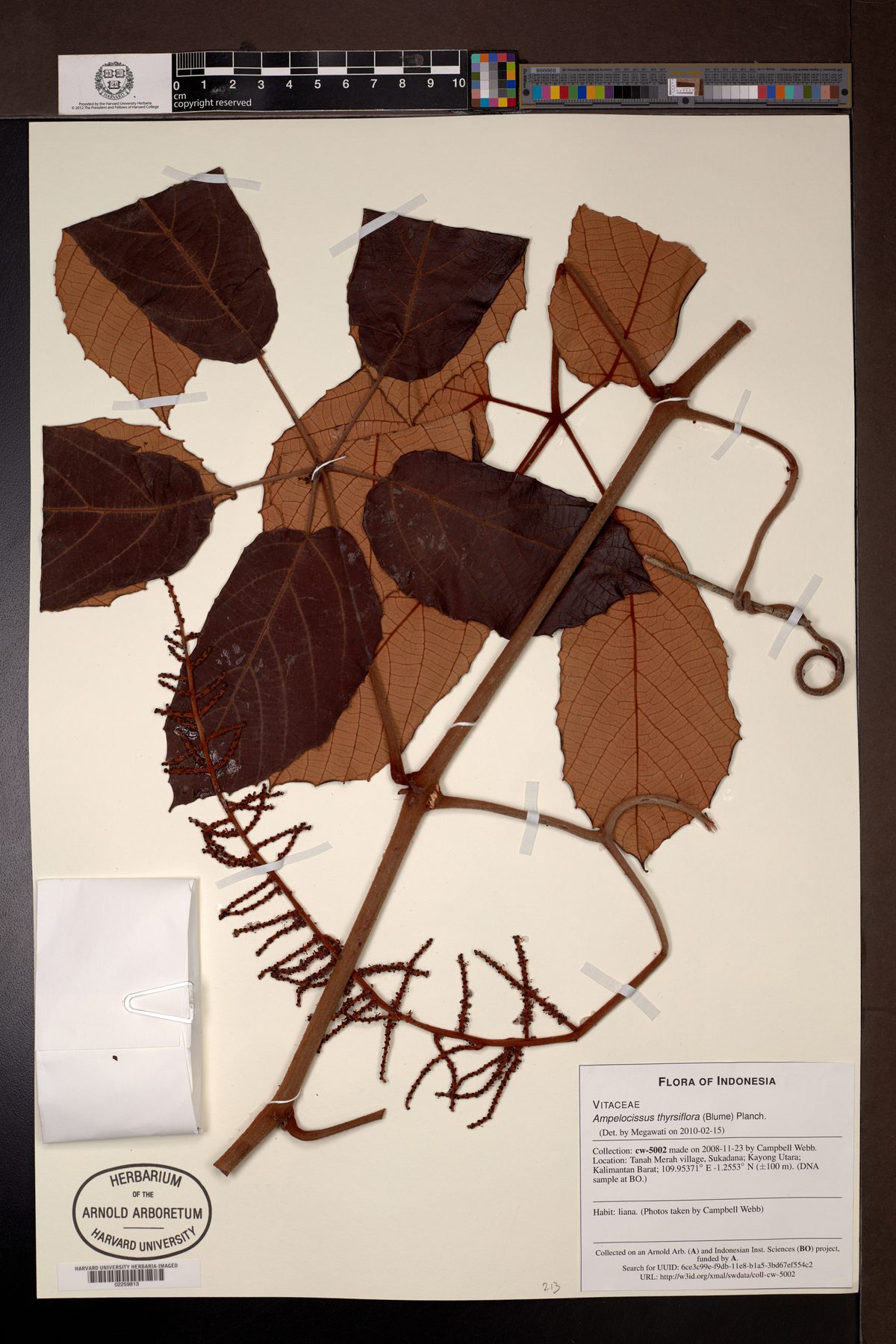
Ampelopsis grossedentata
(Hand.-Mazz) W. T. Wang
Ngau Kin So T'ang, Tin Po Cha
iNaturalist· cc-by-nc
(c) Stargazer, some rights reserved (CC BY-NC)
iNaturalist· cc-by-nc
(c) Stargazer, some rights reserved (CC BY-NC)
iNaturalist· cc-by-nc
(c) Stargazer, some rights reserved (CC BY-NC)
Description
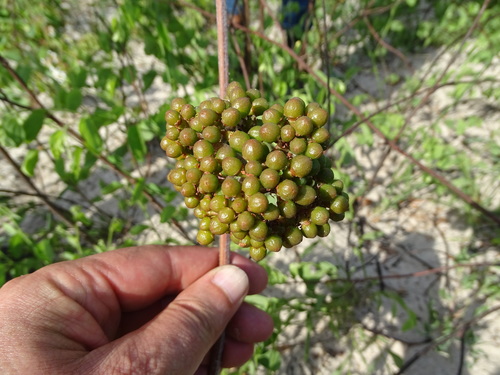
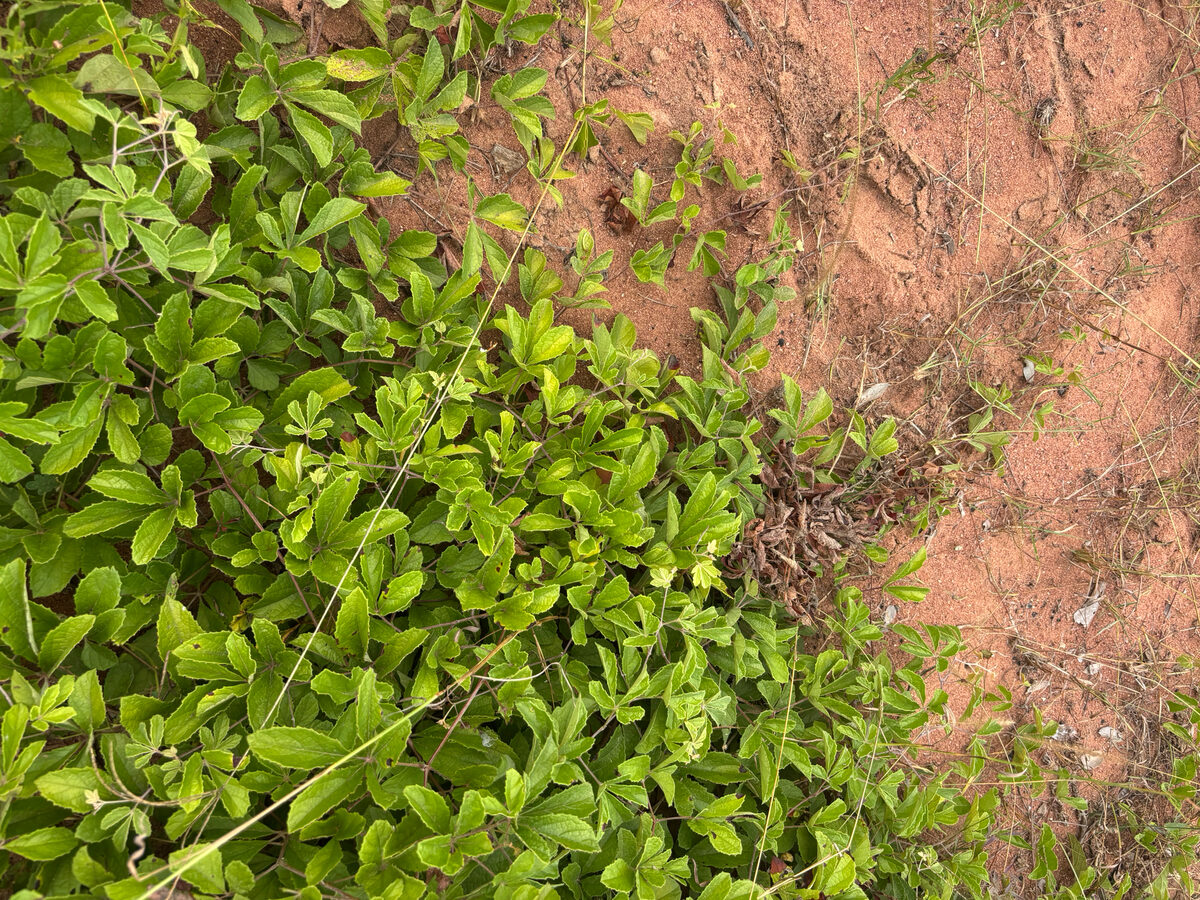
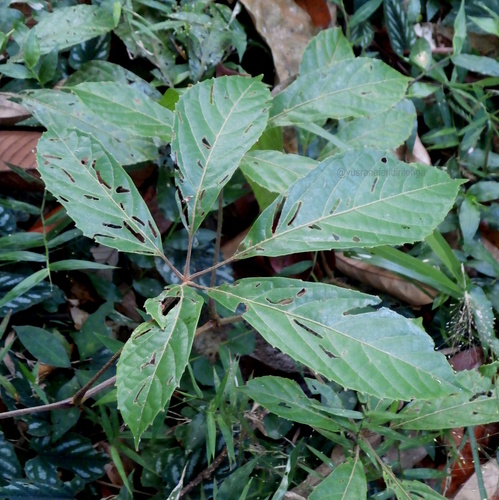
A woody creeper or vine. The branches have ridges along them. The tendrils are divided. The leaves are divided once or twice. The leaflets near the base have 3 leaflets. The leaflets are oval and 2-5 cm long by 1-3 cm wide. The fruit are red. They are round and 6-10 mm across.
Edible Uses
The leaves are used to make tea, and both the fruit and leaves are edible.
Traditional Uses
The leaves are used to make tea.
This uses section is brief — help expand it
Medicinal Uses
The leaves are traditionally used to prepare tea.
Distribution
It is a subtropical plant. It grows in shrubland and forests between 200-1,500 m above sea level. In Yunnan.
Where It Grows
Asia, China, Indochina, SE Asia, Vietnam,
Production
In China plants flower May to August and fruit August to December.
Notes
There are about 20-25 Ampelopsis species.
Synonyms
References (2)
- Altschul, S.V.R., 1973, Drugs and Foods from Little-known Plants. Notes in Harvard University Herbaria. Harvard Univ. Press. Massachusetts. no. 2664 (As Ampelocissus cantoniensis var. grossedentata)
- Reis, S. V. and Lipp, F. L., 1982, New Plant Sources for Drugs and Foods from the New York Botanical Garden herbarium. Harvard. p 174 (As Ampelocissus cantoniensis var. grossedentata)