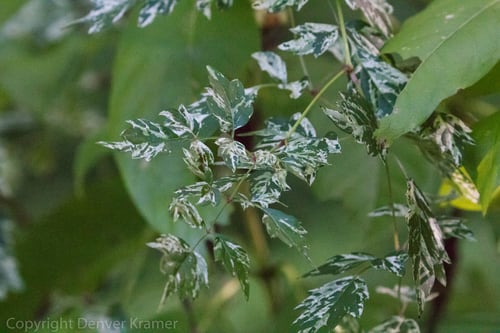
Tetrastigma rumicispermum
(M. Laws.) Planch.
iNaturalist· cc-by-nc
(c) Phuentsho, some rights reserved (CC BY-NC), uploaded by Phuentsho
iNaturalist· cc-by-nc
(c) Phuentsho, some rights reserved (CC BY-NC)
Description
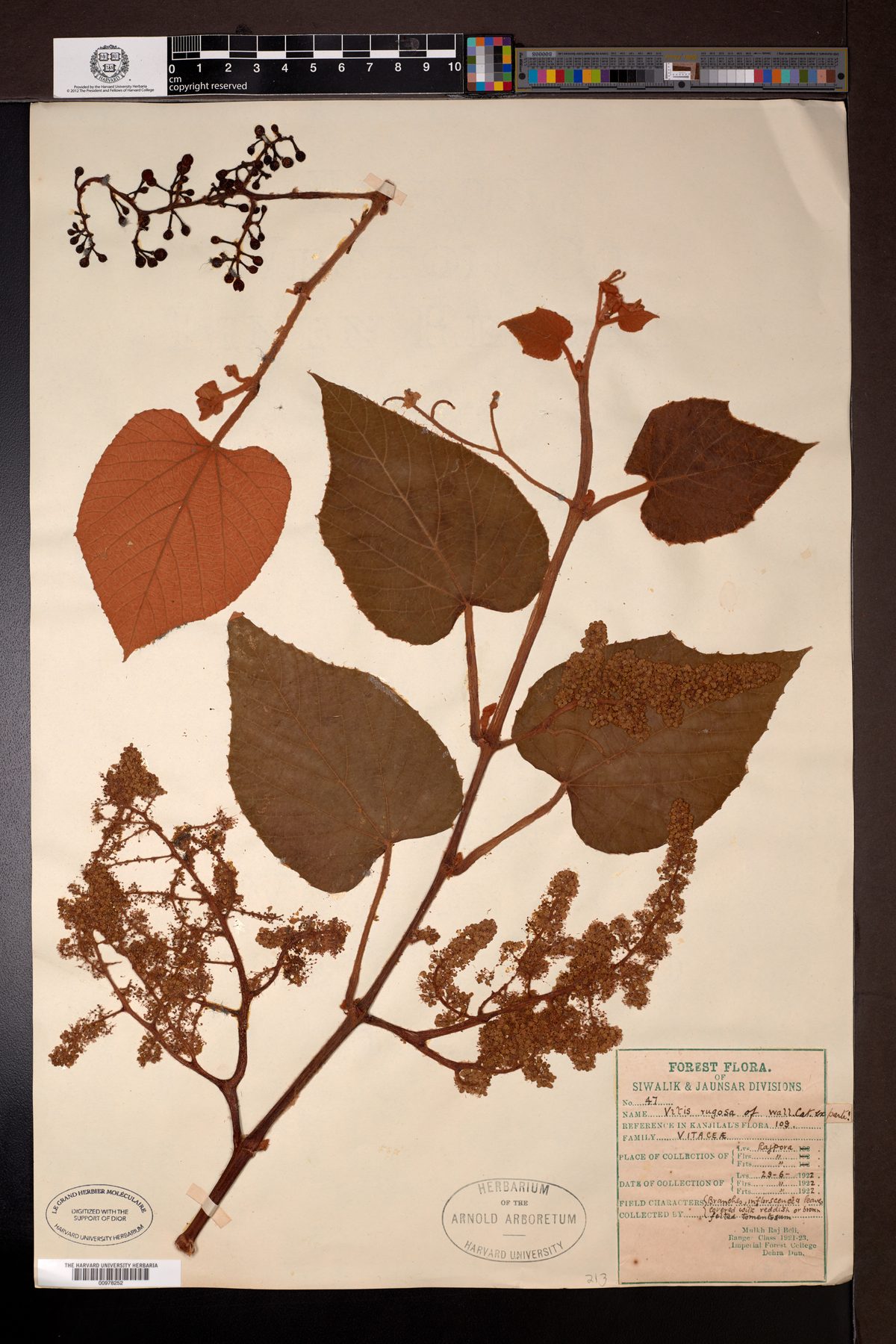
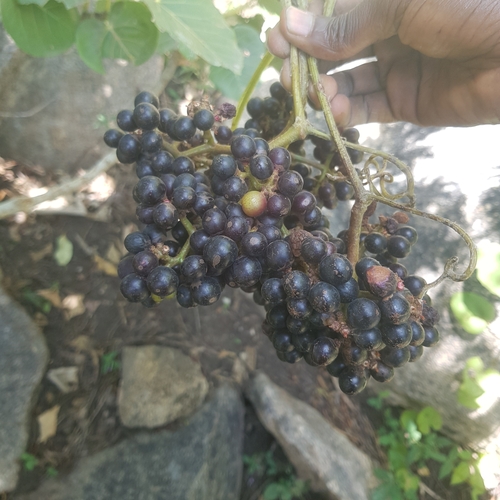
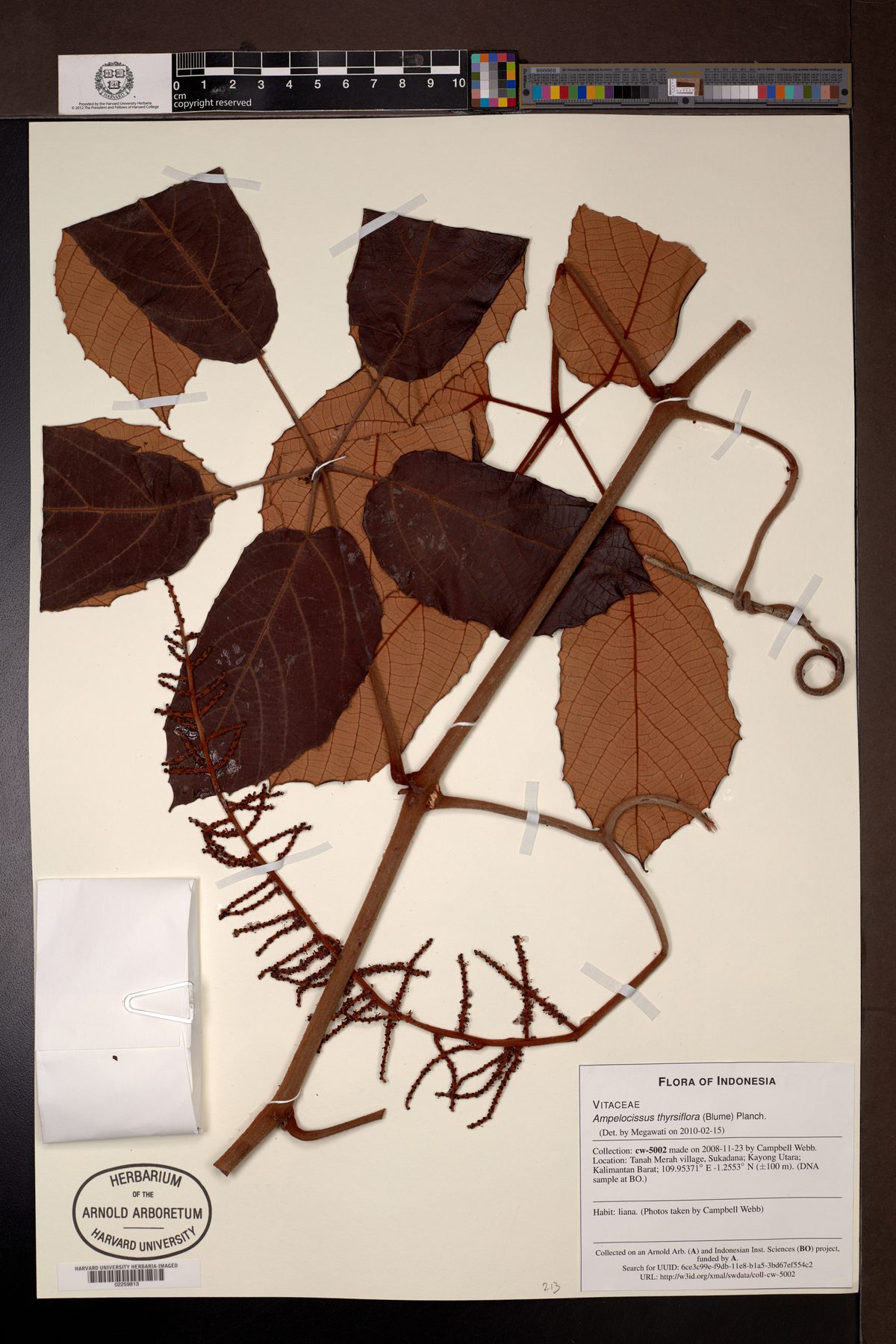
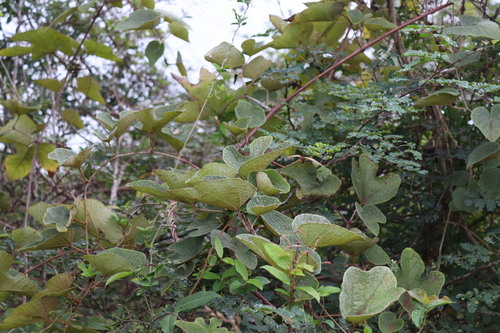
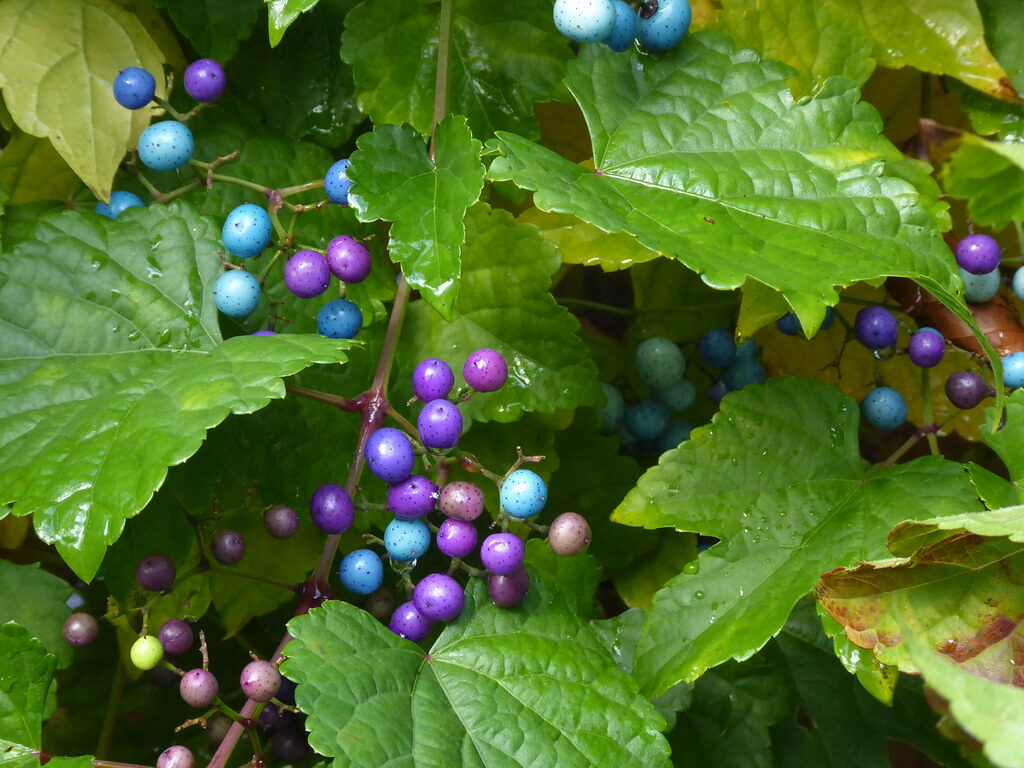
A woody climber. The tendrils are divided. The leaves have 5 leaflets spread out like fingers on a hand. The central leaflets is narrowly oval and 4-17 cm long by 3-8 cm wide. The flowers are in the axils of leaves or on branches opposite the leaves. The fruit is round berry up to 1 cm across. There are 2 or 3 seeds.
Edible Uses
The sweet fruit are eaten.
Traditional Uses
The fruit are eaten. They are sweet.
This uses section is brief — help expand it
Distribution
It is a subtropical plant. In southern China it grows in forests on hillsides and valleys between 500-2,500 m above sea level. In Sikkim it grows between 1,500-2,300 m above sea level. In Yunnan.
Where It Grows
Asia, Bangladesh, Bhutan, China, Himalayas, India, Indochina, Laos, Myanmar, Nepal, Northeastern India, SE Asia, Sikkim, Thailand, Tibet, Vietnam,
Production
In Sikkim fruit are available October to November.
Synonyms
Also Known As
Chacheri, Toludorrik
References (8)
- Ambasta, S.P. (Ed.), 2000, The Useful Plants of India. CSIR India. p 631
- Dobriyal, M. J. R. & Dobriyal, R., 2014, Non Wood Forest Produce an Option for Ethnic Food and Nutritional Security in India. Int. J. of Usuf. Mngt. 15(1):17-37
- Rashid, M. H., et al, 2013, Inventory of Threatened Plants of Bangladesh and their Conservation Management. International Journal of Environment. Vol. 3 No. 1 p 159
- Sawian, J. T., et al, 2007, Wild edible plants of Meghalaya, North-east India. Natural Product Radiance Vol. 6(5): p 423 (As Vitis rumicisperma)
- Singh, V. B., et al, (Ed.) Horticulture for Sustainable Income and Environmental Protection. Vol. 1 p 220
Show all 8 references Hide references
- Sundriyal, M., et al, 1998, Wild edibles and other useful plants from the Sikkim Himalaya, India. Oecologia Montana 7:43-54
- Sundriyal, M., et al, 2004, Dietary Use of Wild Plant Resources in the Sikkim Himalaya, India. Economic Botany 58(4) pp 626-638
- Wild edible plants of Himachal Pradesh