Tetrastigma planicaule
(Hook. f.) Gagnep.
iNaturalist· cc-by-nc
(c) zhangyuhong, some rights reserved (CC BY-NC)
iNaturalist· cc-by-nc
(c) zhangyuhong, some rights reserved (CC BY-NC)
iNaturalist· cc-by-nc
(c) zhangyuhong, some rights reserved (CC BY-NC)
Description
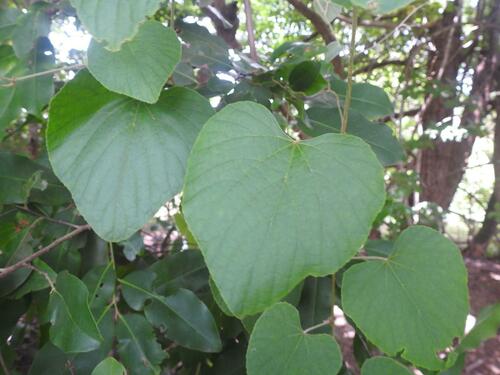
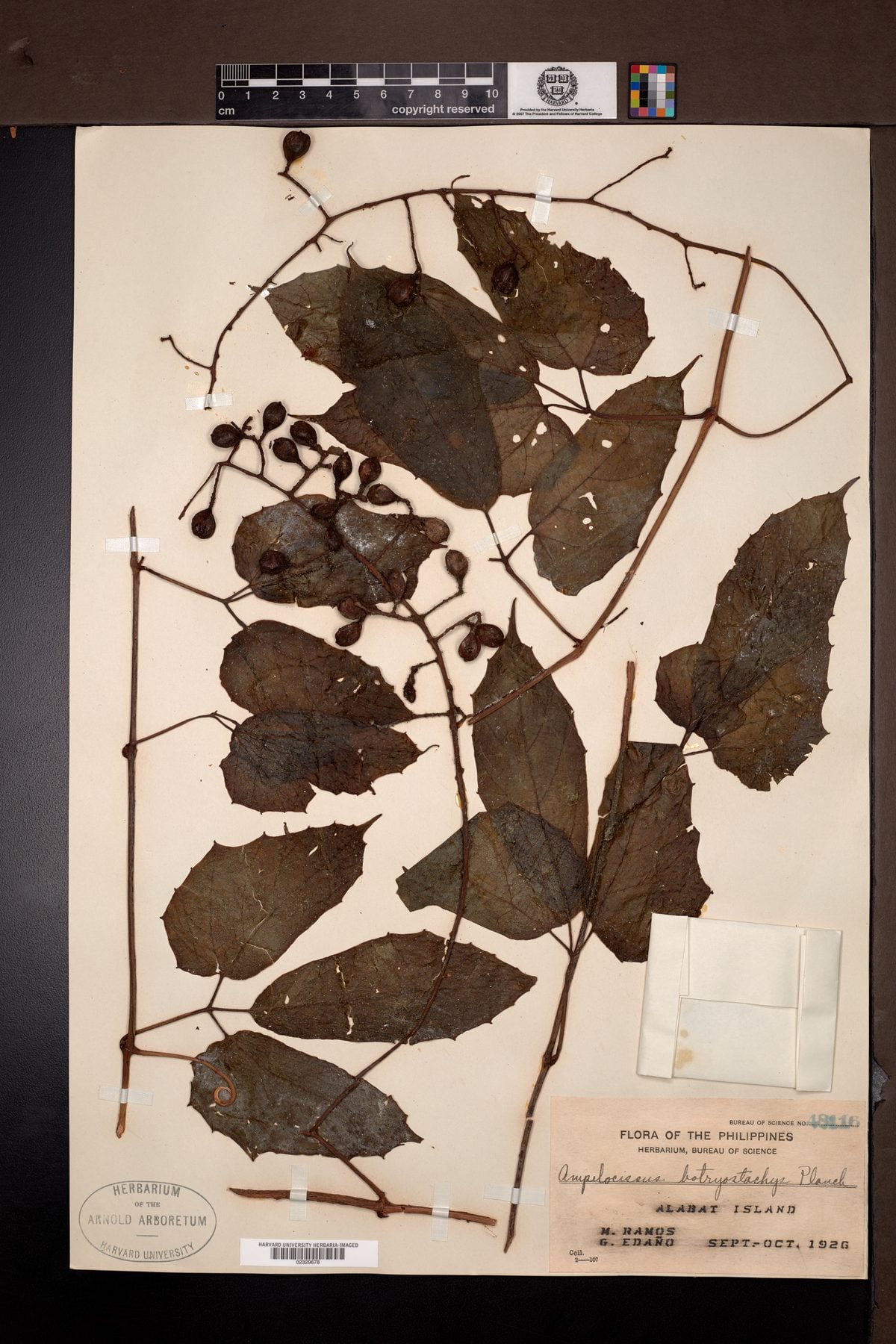
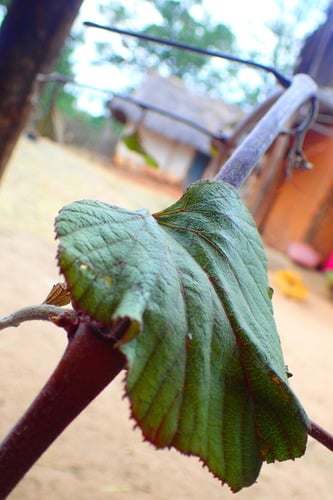
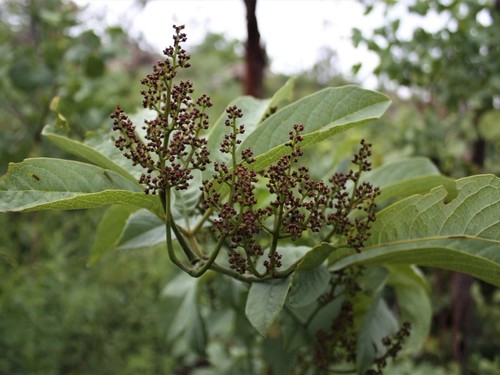
A woody creeper. The stems are flat and have ridges along them. The tendrils are not branched. The leaves have 5 leaflets arranged like fingers on a hand. The leaflets are oval to sword shaped and 9-16 cm long by 3-6 cm wide. The fruit are round berries 2-3 cm across. There are 1 or 2 seeds.
Edible Uses
The fruit and stems are eaten; the stems are valued for their water content.
Distribution
It is a tropical plant. It grows in forests in southern China between 100-2,100 m above sea level. In XTBG Yunnan.
Where It Grows
Asia, China, India, Laos, Northeastern India, SE Asia, Sikkim, Sri Lanka, Tibet, Vietnam,
Also Known As
Kerkeri-lata
References (5)
- Altschul, S.V.R., 1973, Drugs and Foods from Little-known Plants. Notes in Harvard University Herbaria. Harvard Univ. Press. Massachusetts. no. 2660
- Badhwar, R. L., & Fernandez, R. R., 2011, Edible Wild Plants of the Himalayas. Daya Publishing House, New Delhi, India.
- Notul. Syst. (Paris) 1:319. 1911
- Reis, S. V. and Lipp, F. L., 1982, New Plant Sources for Drugs and Foods from the New York Botanical Garden herbarium. Harvard. p 174
- Wild edible plants of Himachal Pradesh