Tetragastris altissima
(Aubl.) Swart
Bread and cheese
iNaturalist· cc-by-nc
(c) visionsamazoniennes, some rights reserved (CC BY-NC)
iNaturalist· cc-by-nc
(c) visionsamazoniennes, some rights reserved (CC BY-NC)
iNaturalist· cc-by-nc
(c) Ruben D. Layme, some rights reserved (CC BY-NC)
Description
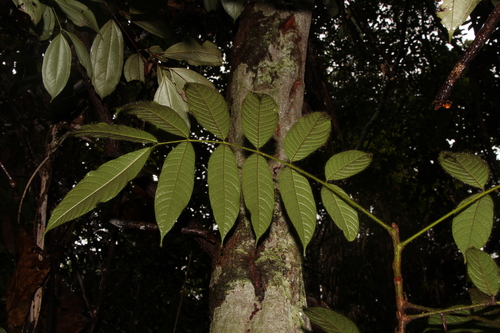
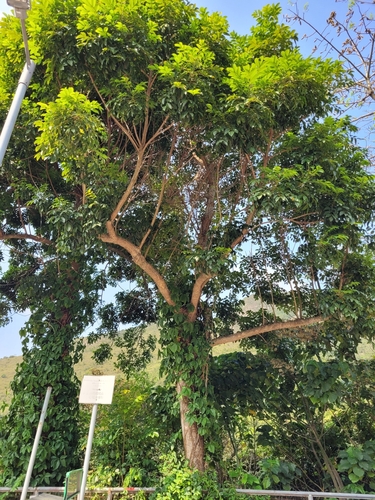
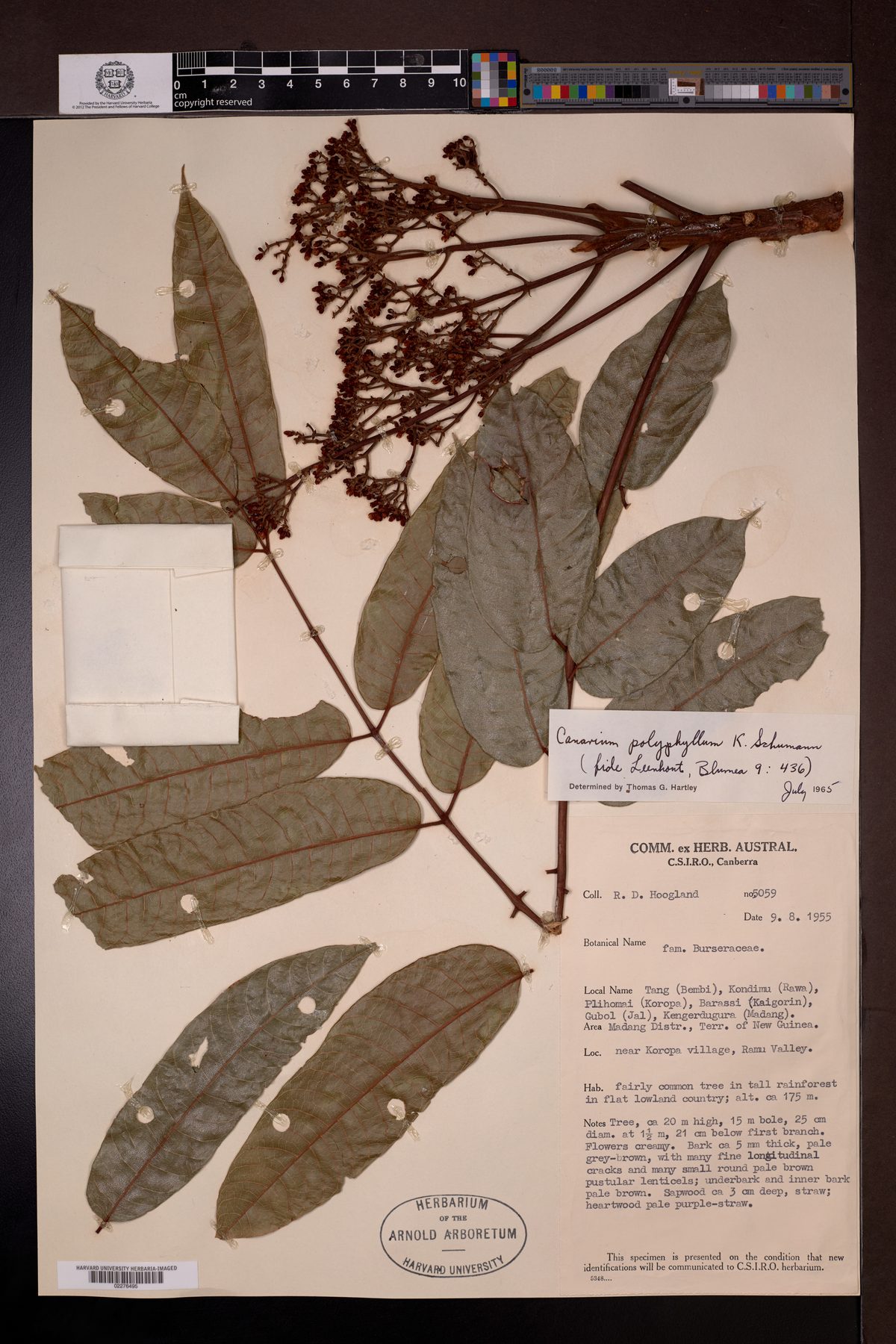
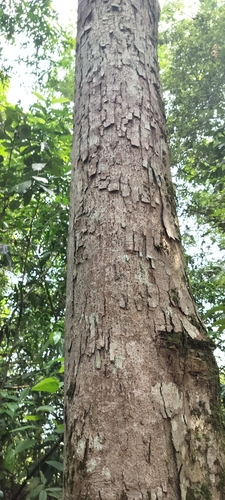
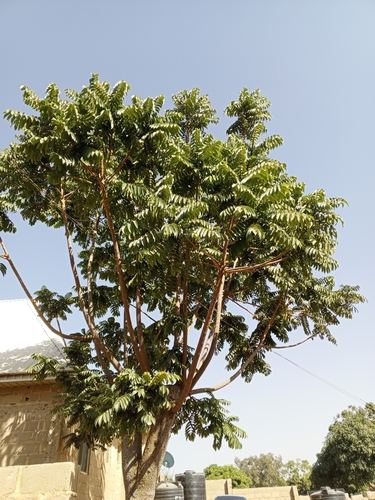
A tree. It grows 30 m high. It has unequal buttresses. The outer bark is flaky and the inner bark is orange. The leaves are alternate. There are usually 7-9 leaflets with one at the end. They are papery. The flower groups are 20 cm long. The flowers are small and white. The fruit is round and fleshy. It has 2-5 lobes. The fruit are 3.4 cm long by 4 cm wide and red.
Edible Uses
The aril (layer around the seed) is eaten raw. The fruit is a significant food source and the tree is cultivated.
Traditional Uses
The aril or layer around the seed is eaten raw.
This uses section is brief — help expand it
Medicinal Uses
Traditional preparation involves eating the aril around the seed.
Distribution
A tropical plant.
Where It Grows
Amazon, Bolivia, Brazil, Colombia, Cuba, Ecuador, French Guiana, Guianas, Guyana, Peru, South America, Suriname, Venezuela, West Indies,
Cultivation
A dioecious species, both male and female forms need to be grown if fruit and seed are required.
Other Uses
An aromatic resin is obtained from the bark. It is used medicinally. The heartwood is light brown to orangey-yellow, sometimes with frequent small, black, resinous spots; it is clearly demarcated from the 4 - 6cm wide band of orange-yellow sapwood. Texture is fine; the grain interlocked; lustre is medium; taste and odour indistinct. The wood is heavy, hard, of moderate elasticity, moderately durable, with resistance to attacks by fungi, dry wood borers and termites. The drying rate is normal to slow with a high risk of distortion or checking; once dry it is poorly stable in service. Sawing and machining are nore or less easy, but with a fairly high blunting effect - stellite-tipped sawteeth are recommended. Nailing and screwing are good, though pre-boring is necessary to avoid splitting; gluing is correct. The wood is used for industrial or heavy flooring, interior stairs, joinery, heavy carpentry, bridges etc.
Other Information
It is a significant food. It is a cultivated plant.
Synonyms
Also Known As
Almecega-vera, Almesca, Azucarito blanco, Breu, Breu-maxixe, Breu-mexca, Cafe con leche, Carana, Copal, Encens rouge, Haiawa-balli, Haiawabelli, Isigo, Isigo lagunero, Japunaki, Japunaki-hoja larga, Kena yo, Kina, Kina yo, Lagunero, Nafa, Nui, Pirika, Rab ti, Redisali, Roodesalie, Sali, Tacamahaco
References (9)
- Altschul, S.V.R., 1973, Drugs and Foods from Little-known Plants. Notes in Harvard University Herbaria. Harvard Univ. Press. Massachusetts. no. 1975
- Andel T. van, Non-timber forest products of the North-West District of Guyana. Part 2. A Field Guide. Tropenbos-Guyana Programme. p 256
- Fouqué, A. 1972. Espèces fruitières d'Amérique tropicale. Institut français de recherches fruitierès outre-mer
- Grandtner, M. M. & Chevrette, J., 2013, Dictionary of Trees, Volume 2: South America: Nomenclature, Taxonomy and Ecology. Academic Press p 660
- Kermath, B. M., et al, 2014, Food Plants in the Americas: A survey of the domesticated, cultivated and wild plants used for Human food in North, Central and South America and the Caribbean. On line draft. p 860
Show all 9 references Hide references
- NYBG herbarium "edible"
- Poset, D. A., 2002, Kayapo Ethnoecology and Culture. Routledge
- Roa, J. A. G. & Boada, D. S. G., 2018, Fundación para el Fortalecimiento de la Fruticultura y Plantas Alimenticias no Convencionales en Colombia.
- van Roosmalen, M.G.M., 1985, Fruits of the Guianan Flora. Utrecht Univ. & Wageningen Univ. p 66