Acacia acatlensis
Benth.
Chondata
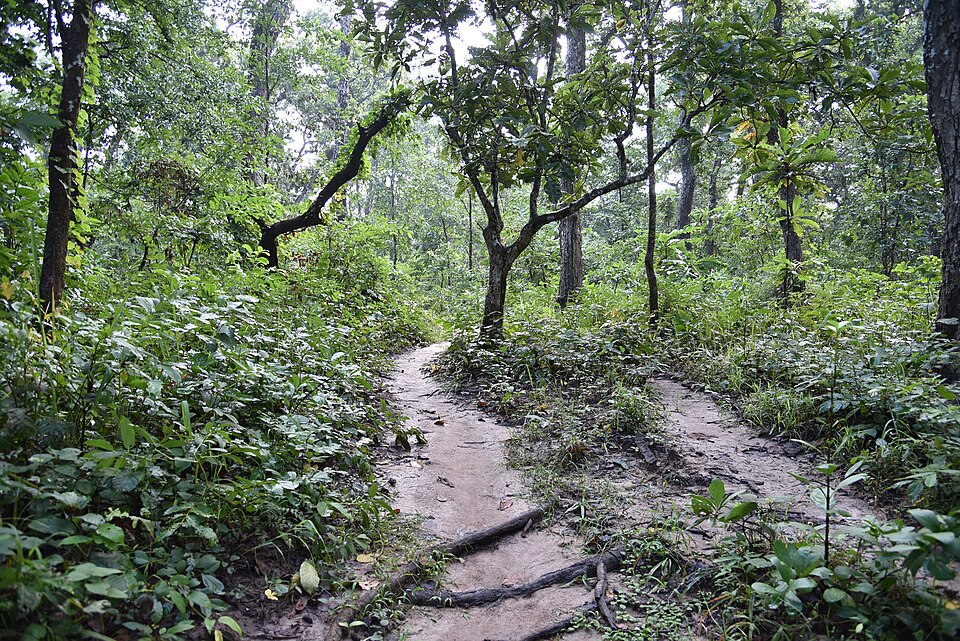
iNaturalist· cc-by
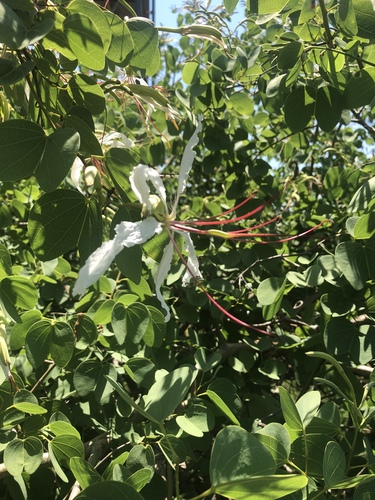
(c) Alexis López Hernández, some rights reserved (CC BY)
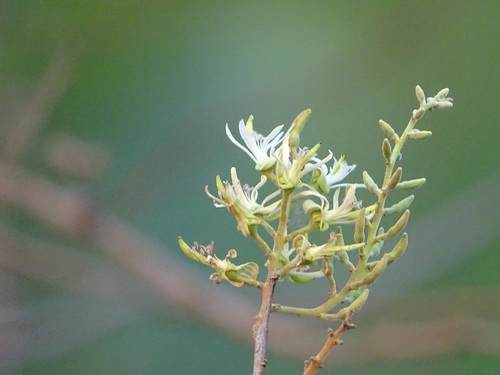
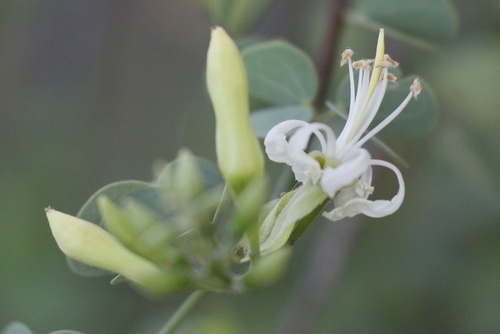
iNaturalist· cc-by
(c) Alexis López Hernández, some rights reserved (CC BY)
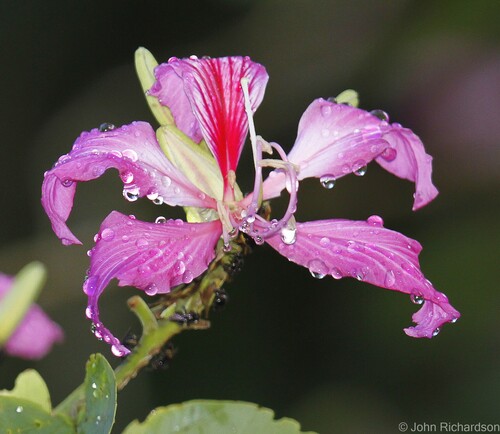
iNaturalist· cc-by-nc
(c) Luis Alberto, some rights reserved (CC BY-NC)
Description
A shrub or small tree. It grows 5 m tall. There are prickles along the stem. The leaves are twice divided and there are 8-18 pairs of pinnae. There are up to 50 pairs of pinnules on each pinnae. The flowers are yellow. They are in large clusters at the ends of branches. The pods are flattened.
Edible Uses
The young flower buds are eaten, either in tamales or crushed and added to other foods.
Traditional Uses
The young buds are eaten. They can be eaten in tamales or crushed and added to other foods.
This uses section is brief — help expand it
Distribution
It is a tropical plant. It grows near creeks.
Where It Grows
Central America, El Salvador, Honduras, Mexico, North America,
Other Information
Sold in markets.
Notes
There are about 1,350 Acacia species. Over 1,000 occur in Australia. Also as Mimosaceae.
Synonyms
Also Known As
Borreguitos, Yepaquilitl
References (4)
- Altschul, S.V.R., 1973, Drugs and Foods from Little-known Plants. Notes in Harvard University Herbaria. Harvard Univ. Press. Massachusetts. no. 1611
- Hersch-Martínez, P., and Fierro-Alvarez, A., 1999, Acacia acatlensis: An Alimentary Resource in Southwest Puebla and North of Guerrero, Mexico. Economic Botany, 53(4) pp 448-451
- Flores, M. P., et al, 2007, Estudio Etnobotanico De Zapotitlan Salinas, Puebla, Acta Botanica Mexicana, Mexico. p 22
- London J. Bot. 1:513. 1842