Licania ternatensis
Hook. f. ex Duss
Break nail licania
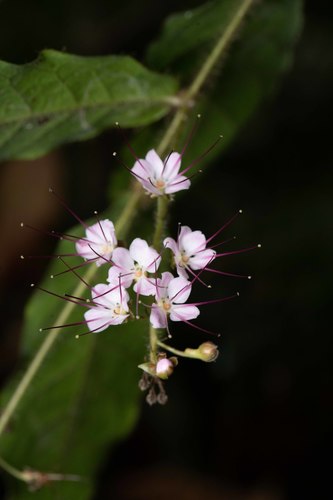
iNaturalist· cc-by-nc
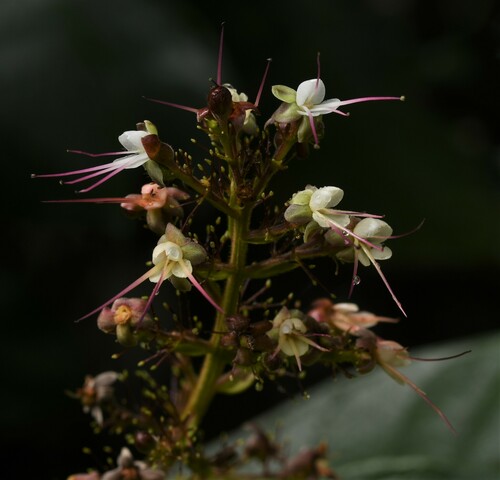
(c) Alfred Neubert, some rights reserved (CC BY-NC), uploaded by Alfred Neubert
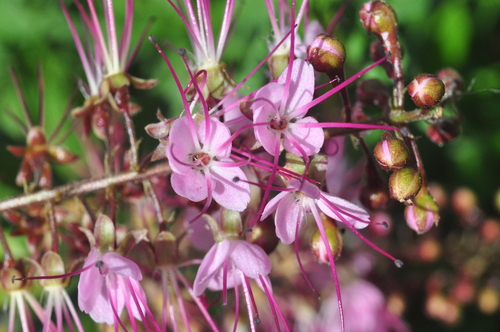
iNaturalist· cc-by-nc
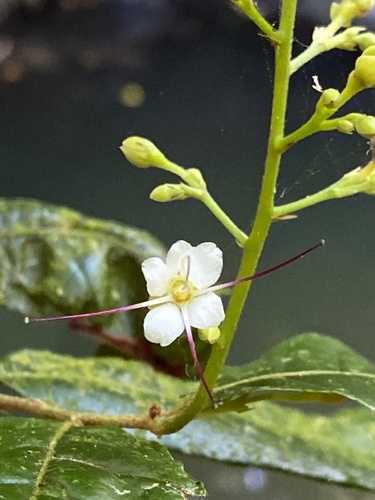
(c) Alfred Neubert, some rights reserved (CC BY-NC), uploaded by Alfred Neubert
iNaturalist· cc-by-nc
(c) Alfred Neubert, some rights reserved (CC BY-NC), uploaded by Alfred Neubert
Description
A tropical tree in the Chrysobalanaceae family with seeds as the edible portion.
This description is brief — help expand it
Distribution
A tropical plant.
Where It Grows
Rainforests. Forests and forested slopes.
Other Uses
The heartwood is dark reddish brown, demarcated from the white sapwood. The wood is fairly close grained and heavy; both heartwood and sapwood are extremely hard and tough. Although no specific information is available for this species, any other members of this genus that have been tested to date have been found to have a high silica content. The machining characteristics are poor because of the wood’s great density and high silica content. It is extremely difficult to saw and quickly dulls cutting edges. Licania species in general have a low durability in the soil, though they are also noted for their high silica content and the resistance this gives them to marine borers. A closely related species, Licania densiflora, has shown considerable resistance to marine borer attack. The wood is used locally for interior posts and beams. The probable but unproved high marine borer resistance of untreated wood suggests it should serve its highest use for piling and other marine construction. Other species of the genus are used for house framing and paving blocks. It is probably a good wood for turnery. The wood is used for making charcoal.
Synonyms
References (1)
- Altschul, S.V.R., 1973, Drugs and Foods from Little-known Plants. Notes in Harvard University Herbaria. Harvard Univ. Press. Massachusetts. no. 1486