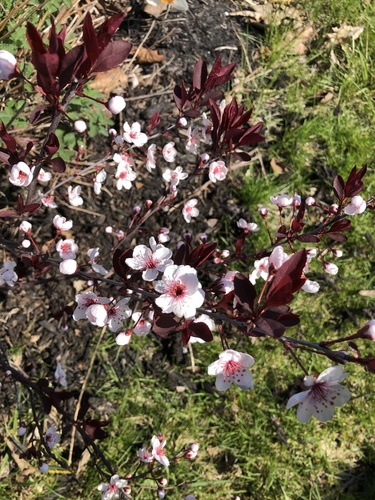
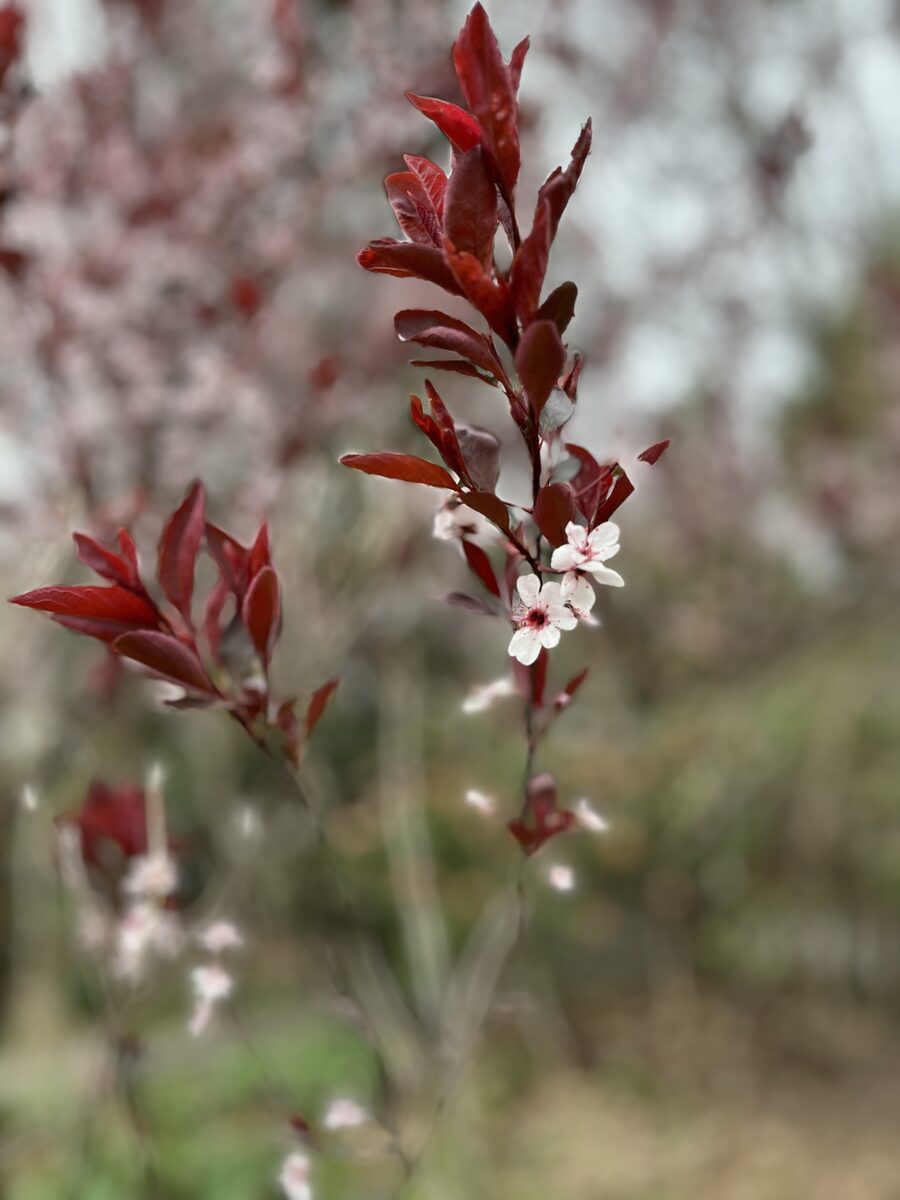
Osteomeles anthyllidifolia
(J. E. Smith) Lindley
Ulei, Hawaii hawthorn
iNaturalist· cc-by
(c) David Eickhoff, some rights reserved (CC BY)
iNaturalist· cc-by
(c) Damien Wallace, some rights reserved (CC BY)
iNaturalist· cc-by-nc
(c) jillbsmith, some rights reserved (CC BY-NC)
Summary
Source: WikipediaOsteomeles anthyllidifolia, commonly called ʻŪlei, eluehe, uʻulei, Hawaiian rose, or Hawaiian hawthorn, is a species of flowering shrub in the rose family, Rosaceae, that is indigenous to Hawaiʻi (all islands but Kahoʻolawe and Niʻihau), the Cook Islands, Tonga, Pitcairn Island, and Rapa Iti, Taiwan and the Ryukyu Islands of Japan.
Description
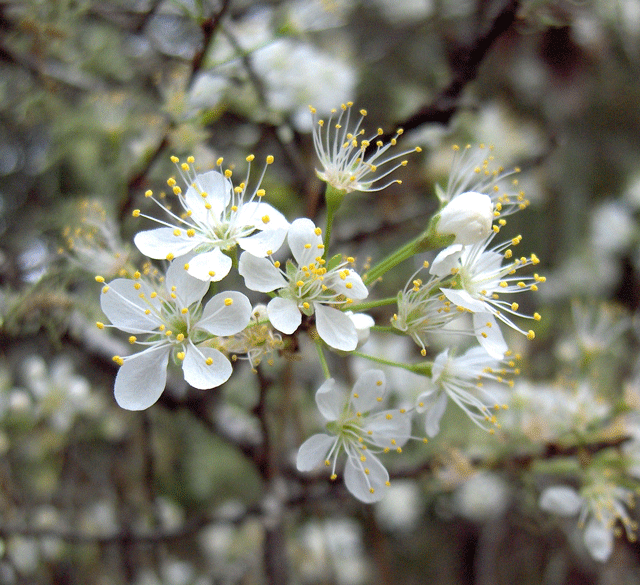
A rambling shrub. It grows about 60 cm tall. The stems are arching. The shoots are covered with white hairs. The leaves are 5 cm long. The leaves have small leaflets along the stalk. There are 11-15 leaflets which a 8 mm long. The leaflets are dark green and hairy underneath. The flowers are small and white. They are 1.3 cm across. They are in loose clusters at the ends of the stems. The fruit are pale pink berries. They ripen to bluish-black.
Edible Uses
The fruit are eaten.
Medicinal Uses
The leaves and root bark are used on deep cuts; the seeds and buds are used as a laxative for children. The wood of a mature Osteomeles anthyllidifolia is very strong, and Native Hawaiians used it to make ʻō (harpoons) with which they caught heʻe (octopuses). Ihe paheʻe (javelins), ihe (spears), ʻōʻō (digging sticks), hohoa (round kapa beaters) ʻiʻe kūkū (square kapa beaters), ʻūkēkē (musical bows), and ʻauamo (carrying sticks) were also made from the wood. Young, flexible O. anthyllidifolia branches were fashioned into the hoops of ʻaʻei. These were 25-foot (7.6 m) bag nets that were used in conjunction with kalo (taro) as bait to catch schools of ʻōpelu (Decapterus macarellus). The fruit is edible and was used to make a lavender dye.
Distribution
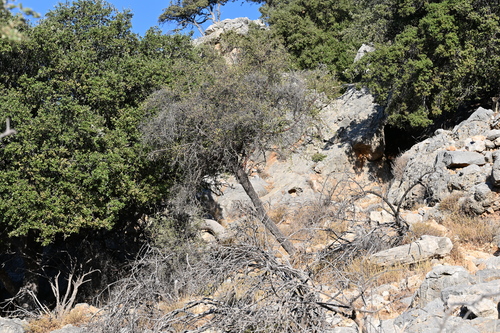
A tropical plant. It does best with moderate moisture or fairly dry. It can grow in an average, well-drained soil. It needs full sun. It grows on coral rocks near the sea and near sea level. It suits hardiness zones 9-12.
Where It Grows
Asia, Australia, Bonin Is., China, Cook Islands, Hawaii, Japan, Myanmar, Pacific, Polynesia, SE Asia, Taiwan, Tonga, USA,
Cultivation
It is grown from seed or by cuttings.
Notes
There are 3 Osteomeles species.
Synonyms
References (9)
- Altschul, S.V.R., 1973, Drugs and Foods from Little-known Plants. Notes in Harvard University Herbaria. Harvard Univ. Press. Massachusetts. no. 1393
- Cundall, P., (ed.), 2004, Gardening Australia: flora: the gardener's bible. ABC Books. p 962
- Etherington, K., & Imwold, D., (Eds), 2001, Botanica's Trees & Shrubs. The illustrated A-Z of over 8500 trees and shrubs. Random House, Australia. p 504
- Flora of China @ efloras.org Volume 9
- Hedrick, U.P., 1919, (Ed.), Sturtevant's edible plants of the world. p 455
Show all 9 references Hide references
- Lamoureux, C.H., 1976, Trailside Plants of Hawaii's National Parks. Hawaii Natural History Association. p 29
- Llamas, K.A., 2003, Tropical Flowering Plants. Timber Press. p 324
- Staples, G.W. and Herbst, D.R., 2005, A tropical Garden Flora. Bishop Museum Press, Honolulu, Hawaii. p 482
- Yuncker, T.G., 1959, Plants of Tonga, Bernice P. Bishop Museum, Hawaii, Bulletin 220. p 126