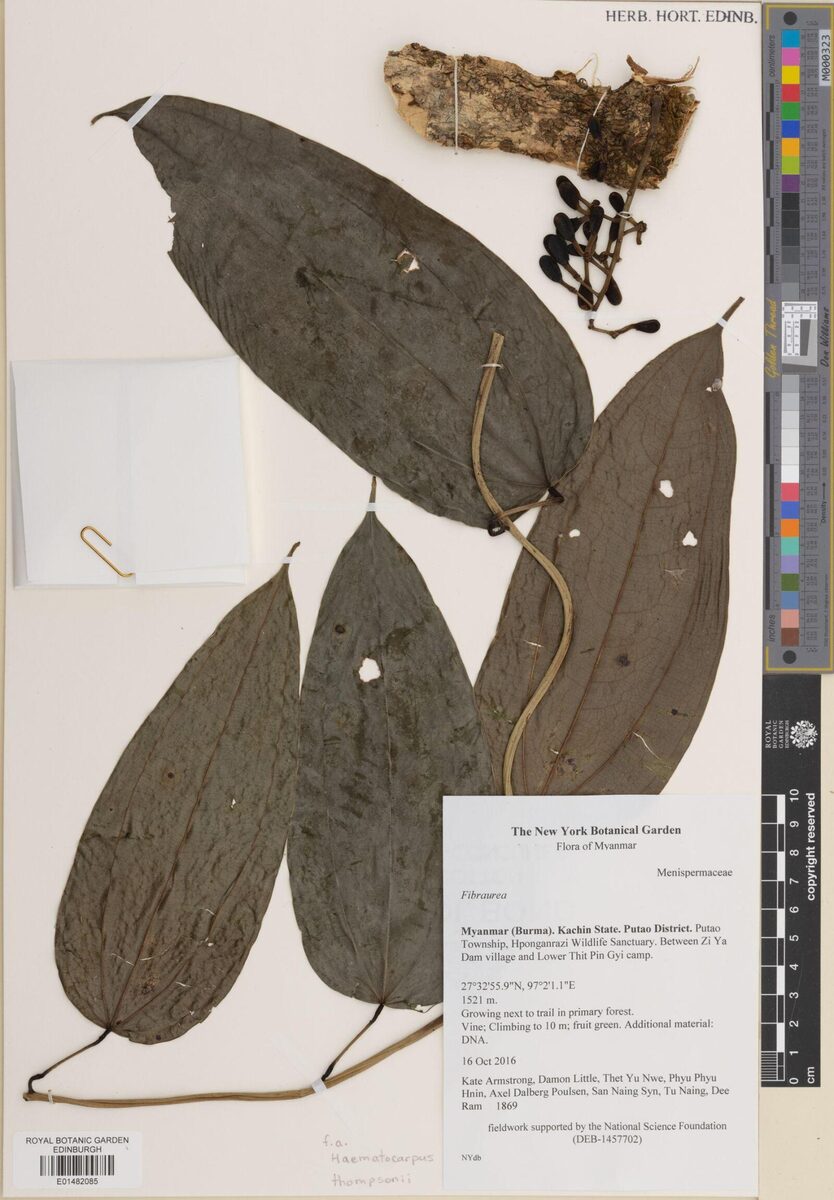
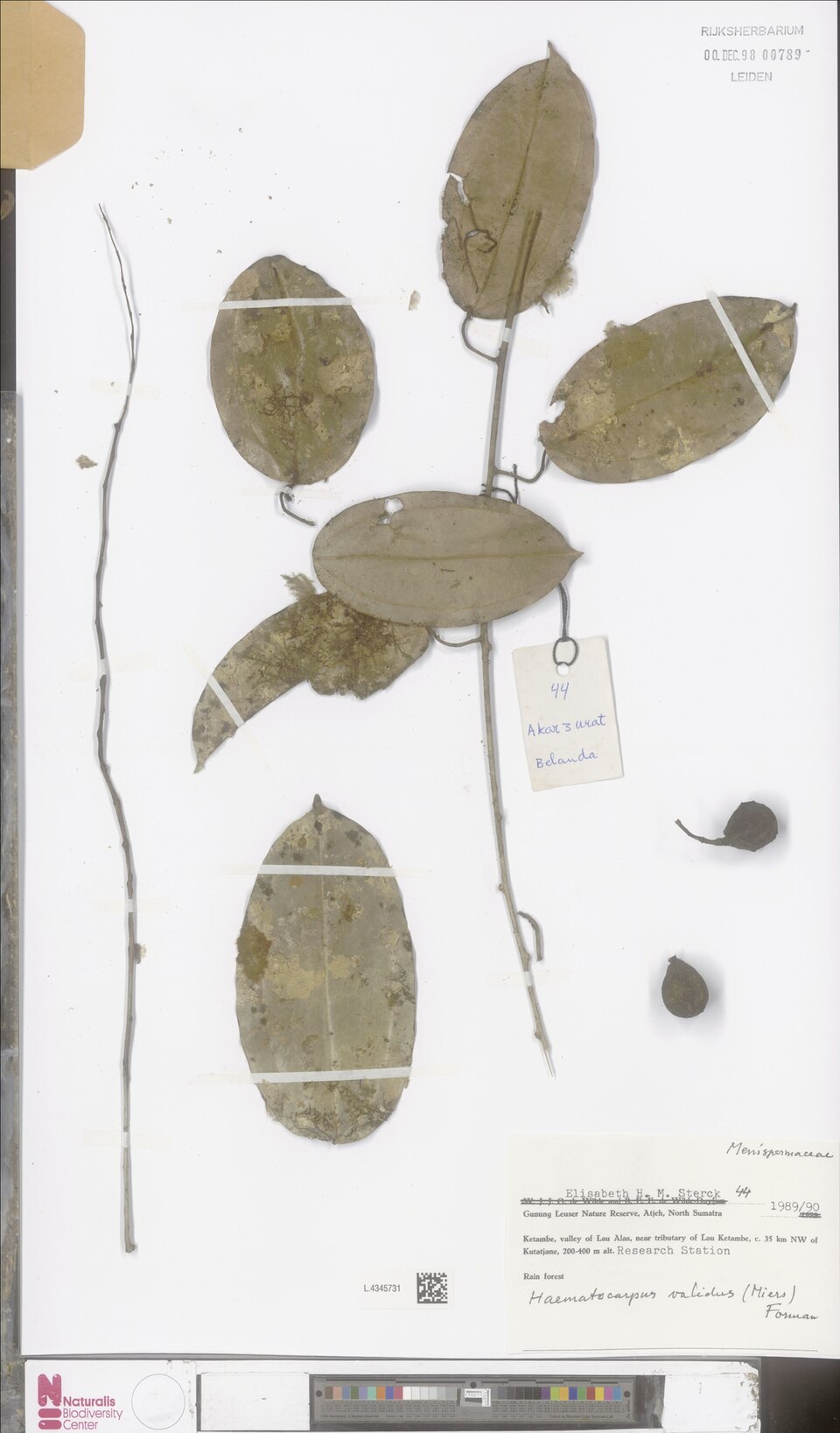
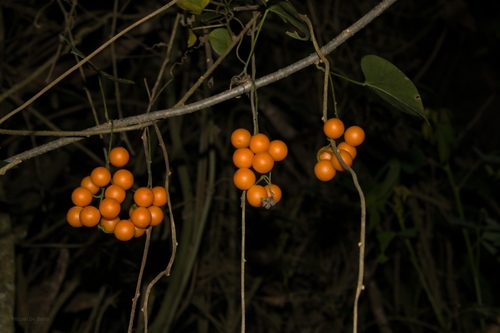
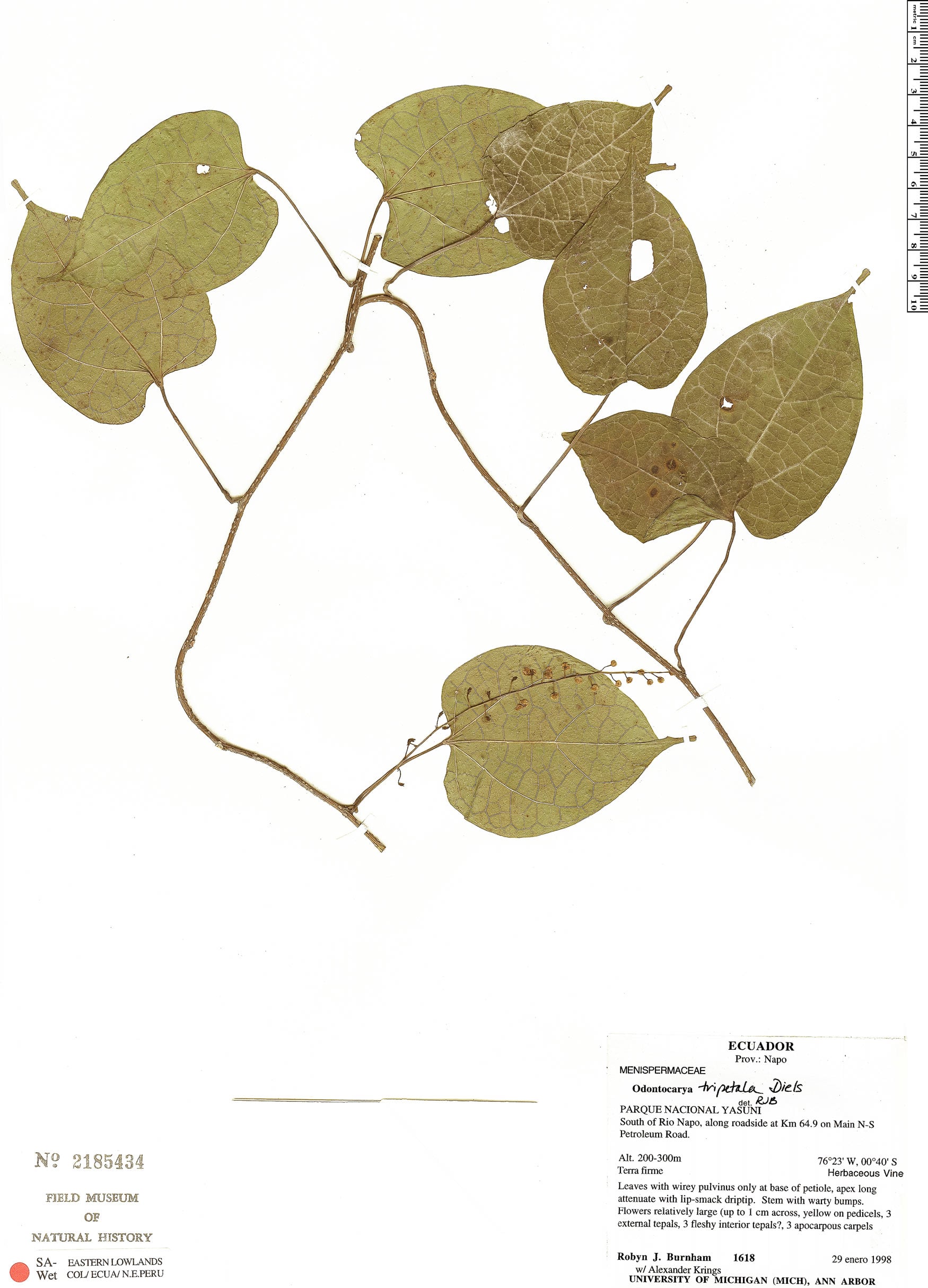
Abuta selloana
Eichler
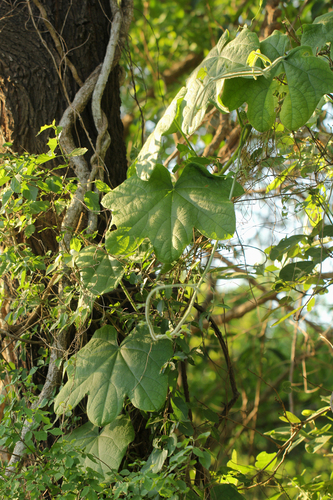
iNaturalist· cc-by-nc
(c) Victor Hugo Rebecchi Siqueira, some rights reserved (CC BY-NC), uploaded by Victor Hugo Rebecchi Siqueira
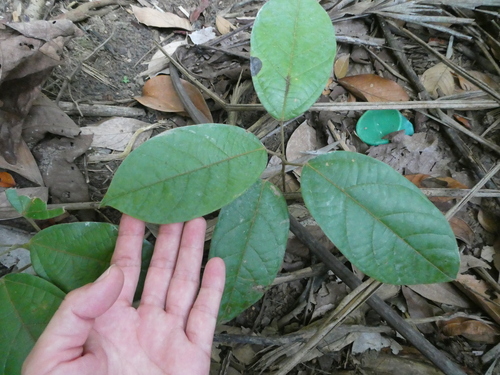
iNaturalist· cc-by-nc
(c) Victor Hugo Rebecchi Siqueira, some rights reserved (CC BY-NC), uploaded by Victor Hugo Rebecchi Siqueira
Description
A shrub or small tree. It grows 5 m tall. There are prickles along the stem. The leaves are twice divided and there are 8-18 pairs of pinnae. There are up to 50 pairs of pinnules on each pinnae. The flowers are yellow. They are in large clusters at the ends of branches. The pods are flattened.
Edible Uses
The fruit are eaten.
Medicinal Uses
The large root is acrid and bitter. It has a high reputation as a digestive, diuretic, emmenagogue, stomachic and tonic. It is used in the treatment of liver complaints; bladder complaints; digestive complaints such as flatulence and colic; oedema and snake bites. The plant is used as a substitute for Chondrodendron platyphyllum, and is often mixed with that species.
Known Hazards
The plant is poisonous and is an ingredient of the famous S. American toxin 'curare'.
Distribution
It is a tropical plant. It can tolerate cool temperatures and some drought. It grows between 500-1,000 m above sea level.
Where It Grows
Brazil, South America,
Cultivation
Both male and female plants are needed so a small group of plants is best. Seeds can take 2-4 months to germinate.
Production
Plants start fruiting 3-4 years after planting. In Brazil plants fruit August to October.
Notes
The Menispermaceae are mainly tropical rainforest plants. There are 32 Abuta in tropical America.
Synonyms
Also Known As
Pitomba delipo
References (1)
- Altschul, S.V.R., 1973, Drugs and Foods from Little-known Plants. Notes in Harvard University Herbaria. Harvard Univ. Press. Massachusetts. no. 991