Burasaia madagascariensis
DC.
iNaturalist· cc-by-nc
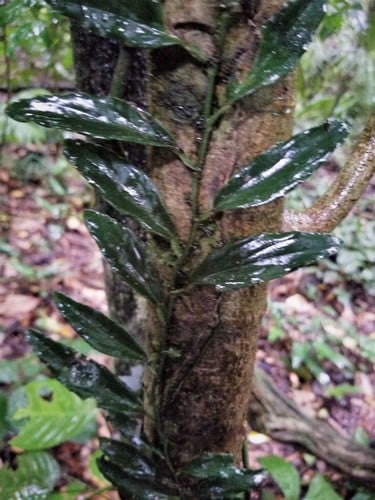
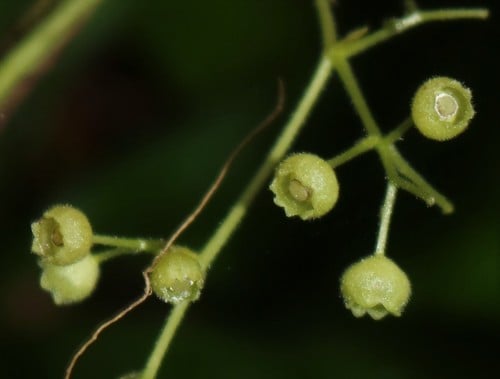
(c) Guy Eric Onjalalaina, some rights reserved (CC BY-NC), uploaded by Guy Eric Onjalalaina
iNaturalist· cc-by-nc
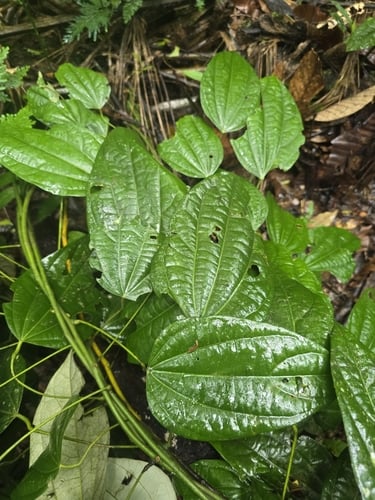
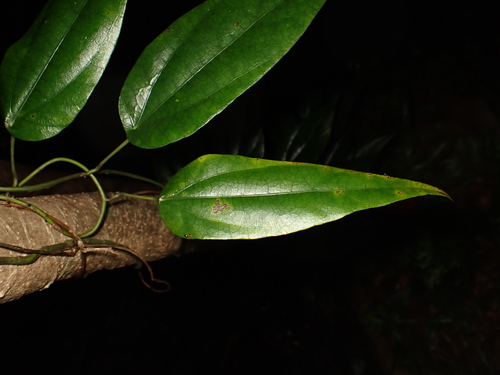
(c) vononarbgkew, some rights reserved (CC BY-NC)
Description
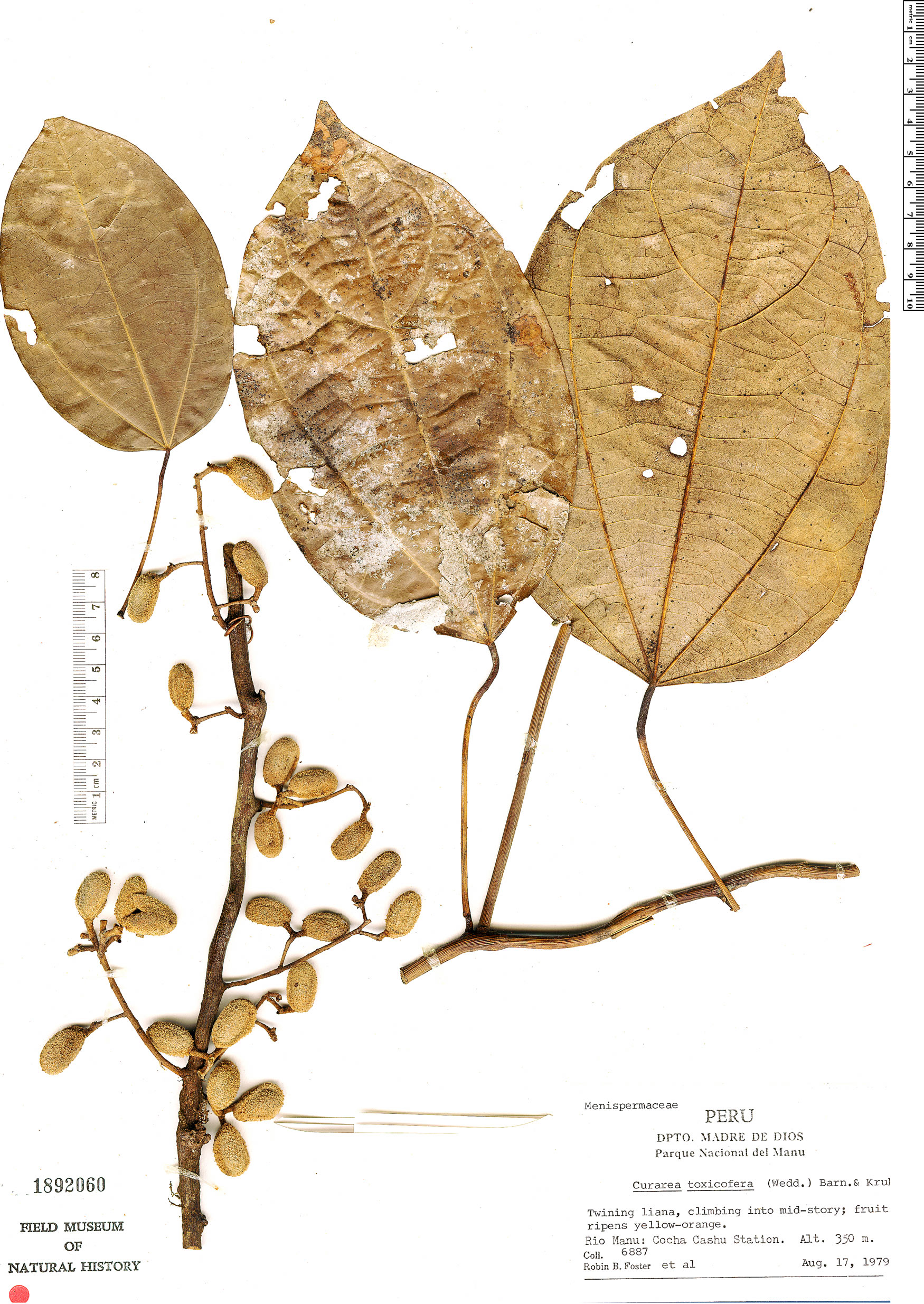
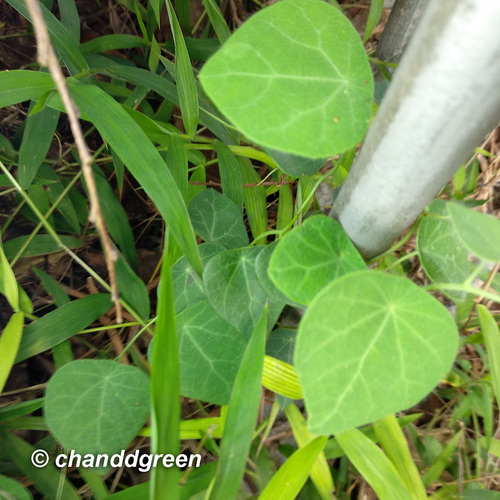
A shrub or climber. The leaves are alternate and have 3 leaflets. The leaf stalk is 7-14 cm long. It is swollen and bent near the end. The leaflets are up to 10 cm long. It is wedge shaped at the base and tapers to the tip. The flowers are of one sex. The fruit are oval and fleshy. It is 2 cm long. There is one seed. The fruit are yellow or orange.
Edible Uses
The leaves are used as an aromatic bitter in beer production and serve as a spice. The fruits are edible.
Traditional Uses
The leaves are used for an aromatic bitter in beer production.
This uses section is brief — help expand it
Medicinal Uses
The plant is used in traditional medicine.
Known Hazards
The alkaloids of the wood may be injurious to wood-workers. The sap from the wood is irritant to the skin.
Distribution
A tropical plant. It can grow in humid and dry forests. It grows from sea level to 1,600 m altitude.
Where It Grows
Africa, Comoros, East Africa, Madagascar*, Mauritius, Reunion,
Other Uses
The root yields a bright yellow dye.
Notes
There are 5 Burasaia species. It is used in medicine.
Also Known As
Ambarakasa, Ambarasaha, Ambarasaka, Amborasaha, Amborasahamaitso, Amborasahy, Amboravaky, Borasaha, Faritatsy, Odiandro, Oditohina, Ralakamisy
References (7)
- Bircher, A. G. & Bircher, W. H., 2000, Encyclopedia of Fruit Trees and Edible Flowering Plants in Egypt and the Subtropics. AUC Press. p 69
- Hedrick, U.P., 1919, (Ed.), Sturtevant's edible plants of the world. p 139
- Jardin, C., 1970, List of Foods Used In Africa, FAO Nutrition Information Document Series No 2.p 123
- Oyen, L.P.A., 2008. Burasaia madagascariensis DC. [Internet] Record from Protabase. Schmelzer, G.H. & Gurib-Fakim, A. (Editors). PROTA (Plant Resources of Tropical Africa), Wageningen, Netherlands. < http://database.prota.org/search.htm>. Accessed 14 October 2009.
- Schatz, G.E., 2001, Generic Tree Flora of Madagascar. Royal Botanical Gardens, Kew and Missouri Botanical Garden. p 268 (Genus)
Show all 7 references Hide references
- Seidemann J., 2005, World Spice Plants. Economic Usage, Botany, Taxonomy. Springer. p 71
- World Checklist of Useful Plant Species 2020. Royal Botanic Gardens, Kew