Castanopsis fabri
Hance
Luo fu zhui
iNaturalist· cc-by
(c) Cheng-Te Hsu, some rights reserved (CC BY)
iNaturalist· cc-by
(c) Cheng-Te Hsu, some rights reserved (CC BY)
iNaturalist· cc-by
(c) Cheng-Te Hsu, some rights reserved (CC BY)
Description
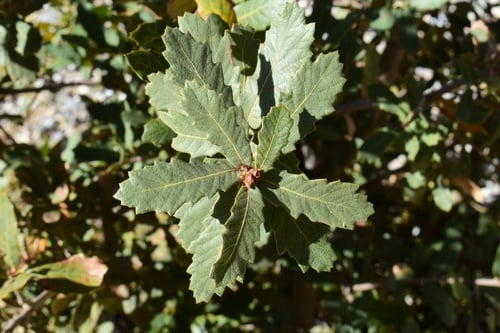
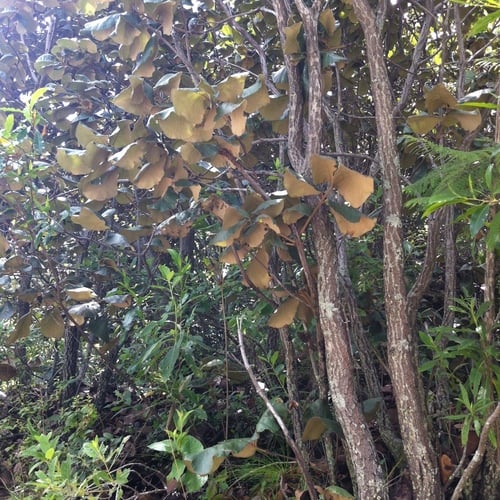
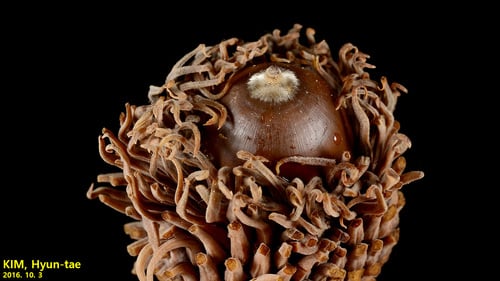
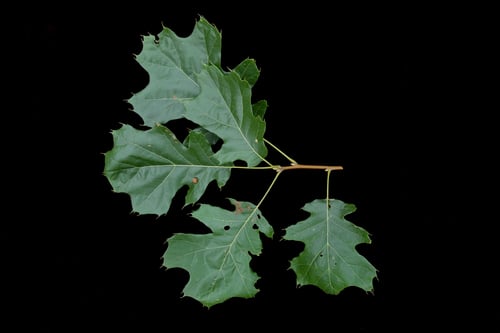
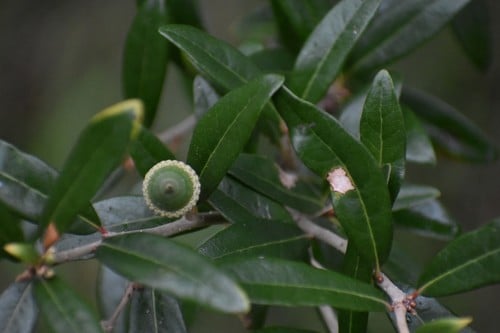
A tree. It grows 8-20 m tall. The young shoots have a few hairs. The leaf stalk can be 1.5 cm long. The leaf blade is oval or sword shaped. It is 8-18 cm long by 2.5-5 cm wide. It is leathery. The base is rounded and unequal on each side. The edges have teeth. It tapers to the tip. There are 9-15 side veins on each side of the mid vein. The mid vein is sunken. The stalk of the male flowers has a few hairs. The female flowers are 2-3 per cup. The flowering structure is 8-17 cm long. The cup is 2-4 cm across. It splits open irregularly. There are usually 2 nuts per cup but there can be 1 or 3. The nuts are cone shaped and 1-1.4 cm across by 1-1.2 cm wide.
Edible Uses
The nuts are edible and eaten.
Distribution
A tropical plant. It grows in broad leafed evergreen forest between 100-2000 m altitude.
Where It Grows
Asia, China, Indochina, Laos, SE Asia, Taiwan, Vietnam,
Notes
There are about 120 Castanopsis species. Many have edible nuts.
Synonyms
References (3)
- Altschul, S.V.R., 1973, Drugs and Foods from Little-known Plants. Notes in Harvard University Herbaria. Harvard Univ. Press. Massachusetts. no. 644
- Huang Chengjiu, Zhang Yongtian, Bartholomew, B., Fagaceae, Flora of China.
- J. Bot. 22:230. 1884